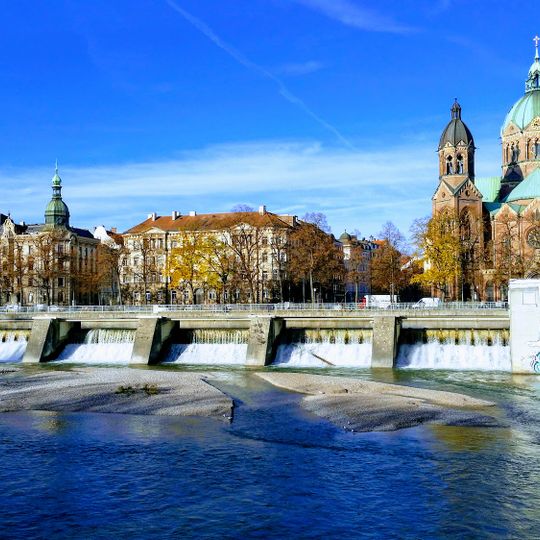
Alpine Museum, Alpine museum on Prater Island, Munich, Germany
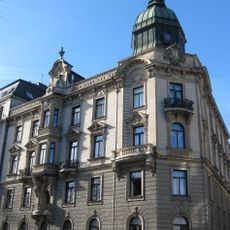
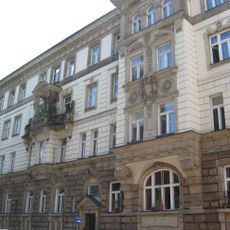
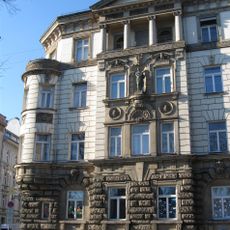
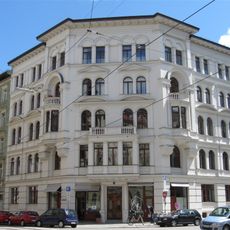
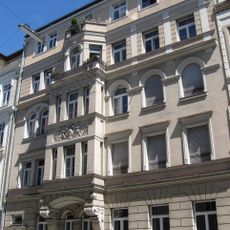
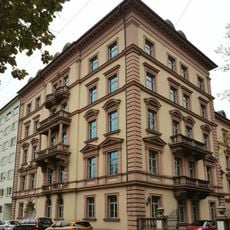
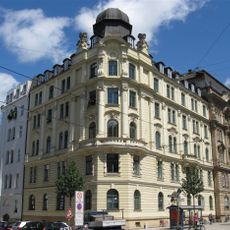
The Alpine Museum is a mountain museum on Prater Island in Munich, housed in a gray rococo building with a copper-topped turret, where visitors can see climbing gear, artworks, and objects linked to Alpine history. The collection is supported by a large specialized library on mountain topics.
The idea of an Alpine museum was discussed from 1904; on 14 July 1907 the joint German and Austrian Alpine Club assembly in Innsbruck commissioned preparatory work, and on 18 July 1908 Munich was chosen as the site, with the city offering the Isarlust café on Prater Island. The building was taken over on 23 January 1909 and converted by architect Robert Rehlen; the museum opened on 17 December 1911 with Carl Müller as first director. Bombing in 1942–44 nearly destroyed the building, and after postwar use as DAV offices it reopened as a museum in 1996.
The museum holds the Schlagintweit collection of around 200 watercolors, drawings, and lithographs showing expeditions through India and Central Asia. These works give a direct sense of how 19th-century explorers saw and recorded distant lands.
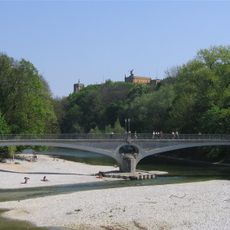
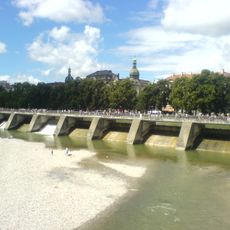
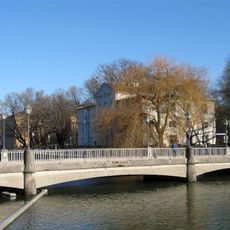
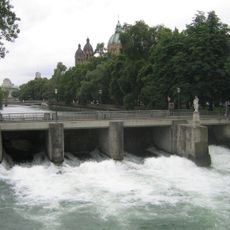
The museum occupies the former Café Isarlust on the Praterinsel, one of two built-up islands in the Isar; the other is the Museumsinsel. The site is the part of the island once called Feuerwerksinsel, where the restaurant stood from 1888. The building was adapted for the museum in the 1990s and reopened in 1996.
The museum garden displays alpine plants alongside labeled rocks and geological samples from the main rock formations of the Alps. This outdoor area lets visitors connect what they see inside with the actual landscape that inspired the collections.
The community of curious travelers
AroundUs brings together thousands of curated places, local tips, and hidden gems, enriched daily by 94,357 contributors worldwide.