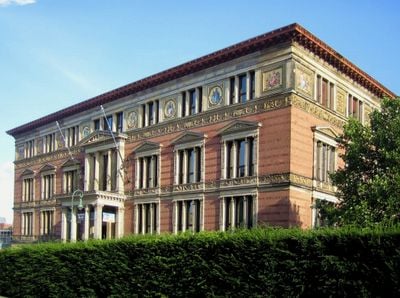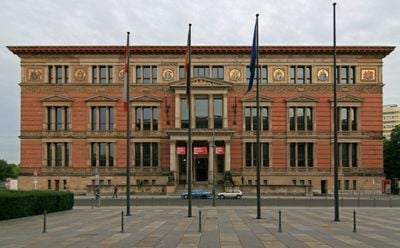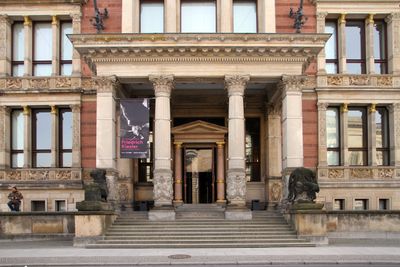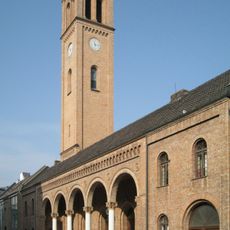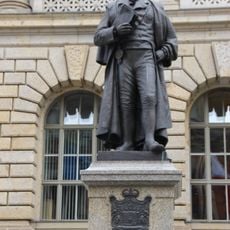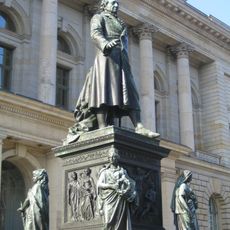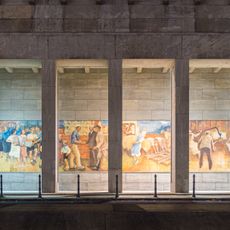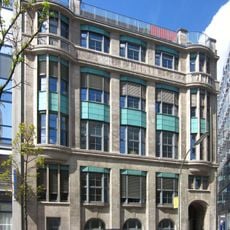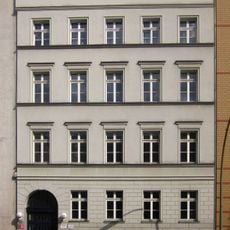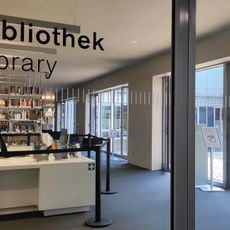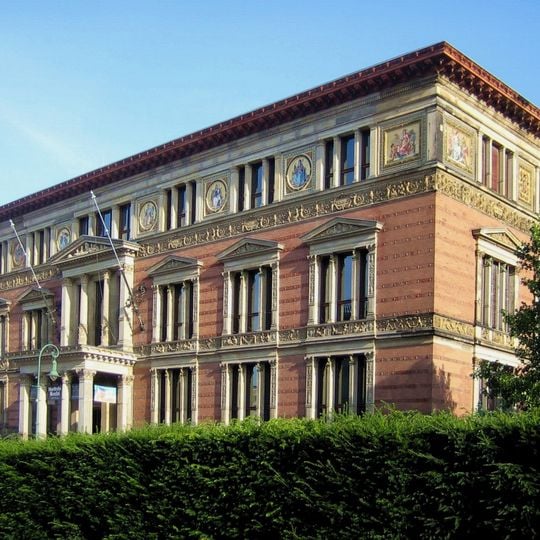
Martin-Gropius-Bau, Renaissance Revival museum in Kreuzberg, Germany.
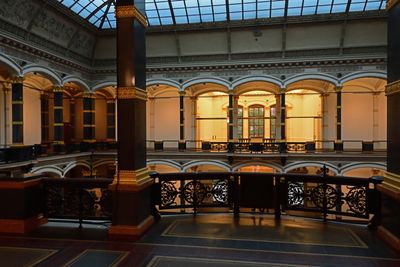
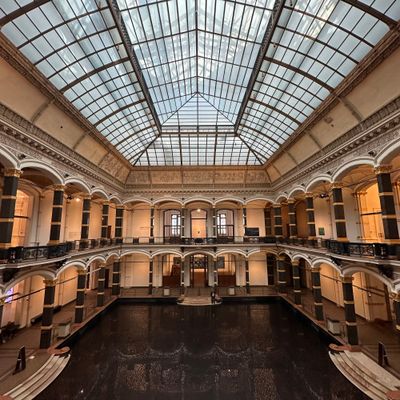
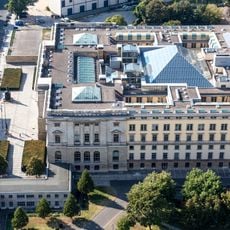
The Martin-Gropius-Bau is an exhibition hall in Kreuzberg with a square footprint measuring 70 meters on each side, enclosing a courtyard adorned with mosaics and heraldic emblems. Renaissance Revival facades frame the windows with terracotta reliefs depicting crafts and industry.
Martin Gropius and Heino Schmieden erected the structure between 1877 and 1881 to house applied arts collections that remained until World War I. Heavy war damage left the shell abandoned for decades before a complete restoration in the 1980s allowed reopening.
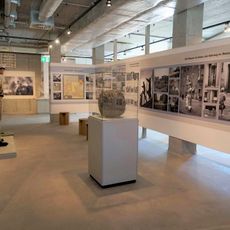
The exhibition spaces regularly present international contemporary art, photography, and multimedia installations, establishing connections between different artistic disciplines and cultural perspectives.
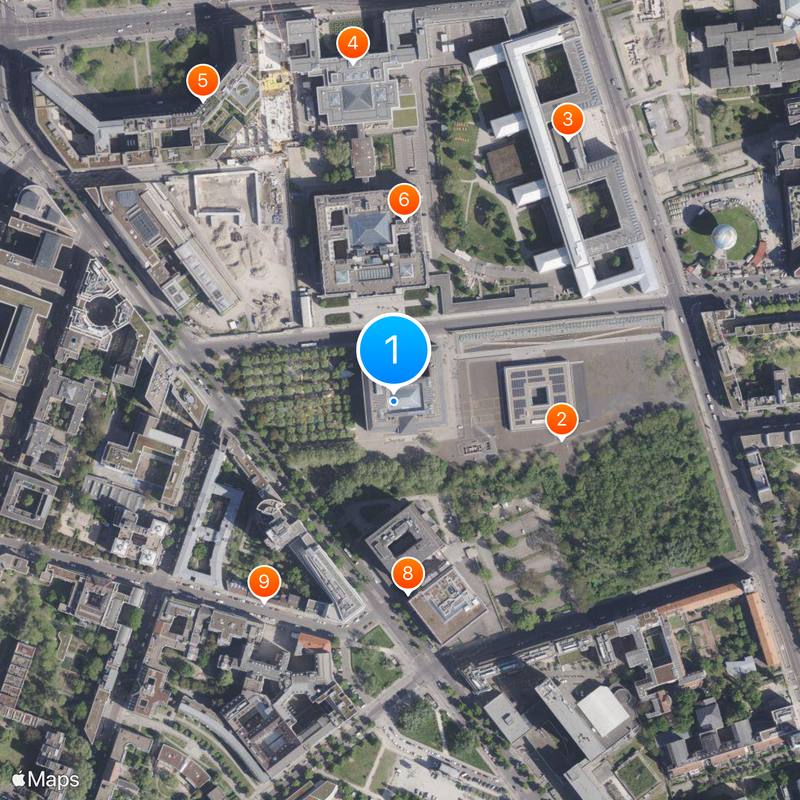
The building stands close to Potsdamer Platz and offers wheelchair access throughout all exhibition floors. Opening days run from Wednesday to Monday, and the courtyard provides a resting space between gallery visits.
During the division of Berlin, the structure stood directly on the border between East and West, so its walls physically marked the divided city. After the Wall fell, the courtyard hosted concerts and public events celebrating reunification.
The community of curious travelers
AroundUs brings together thousands of curated places, local tips, and hidden gems, enriched daily by 91,358 contributors worldwide.