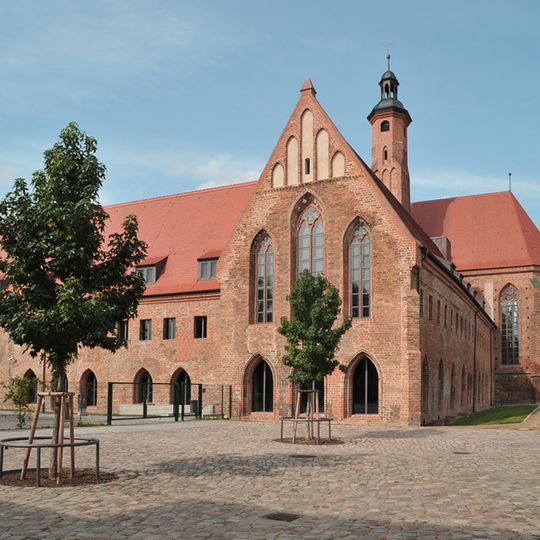
Archäologisches Landesmuseum Brandenburg, Archaeological museum in Brandenburg an der Havel, Germany
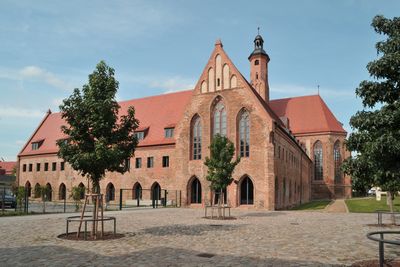
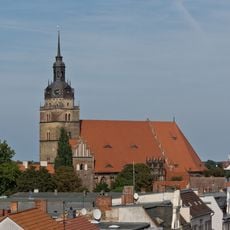
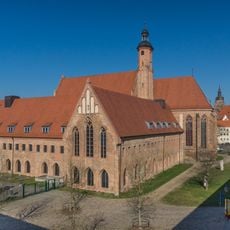
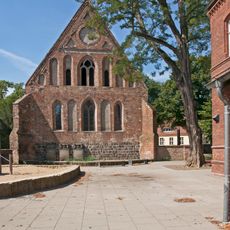
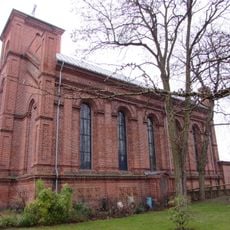
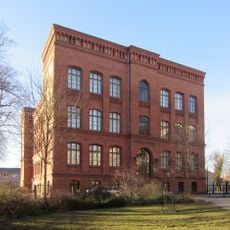
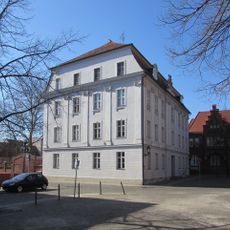
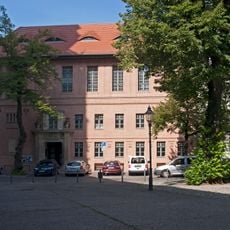
The Archaeological State Museum Brandenburg is a museum housed in a Gothic brick building that displays around 10,000 objects spanning 130,000 years of regional history. The collection includes stone tools, Bronze Age graves, and medieval items arranged across nine exhibition rooms.
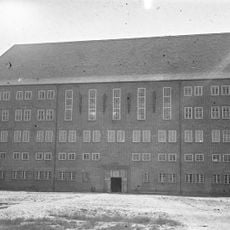
The building was originally a Dominican monastery founded in 1286 under Margrave Otto V and formed part of a network of convents in the region. Later, the former monastery was converted into a museum and has since displayed Brandenburg's archaeological history.
The collection presents objects from different periods of the region, from simple stone tools to valuable graves and medieval items that show how people lived here across thousands of years. These artifacts reveal the daily life and burial customs of Brandenburg's earlier inhabitants.
The museum is open on most weekdays and offers easy access to the various exhibition rooms within a quietly located historic building. It is advisable to allow plenty of time to explore the extensive collection at a comfortable pace.
The museum displays the oldest known carrying net from Friesack, a remarkable textile artifact from the Stone Age that shows how people transported their belongings. The Stratorama is a special exhibition that uses a large stratigraphic layer installation to visually demonstrate archaeological excavation processes.
The community of curious travelers
AroundUs brings together thousands of curated places, local tips, and hidden gems, enriched daily by 92,158 contributors worldwide.