Bissendorfer Moor, Raised peat bog in Wedemark and Langenhagen, Germany
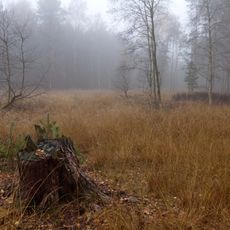
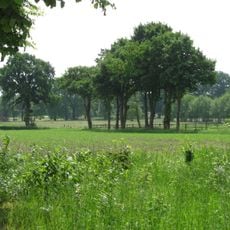
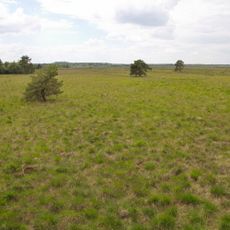
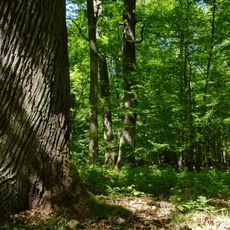
Bissendorfer Moor is a 710-hectare raised bog west of Bissendorf, largely in Wedemark and partly in Langenhagen's Kaltenweide district, within the Hannoversche Moorgeest. Its peat layer reaches up to 7 metres, and the bog surface is domed like an inverted watch glass, largely treeless, with mosses and peat mosses in wet areas and heather and cottongrass on drier ground.
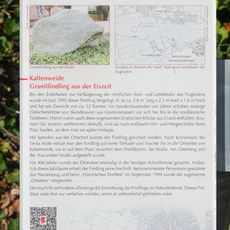
The area received protected status in 1971 to prevent a peat extraction company from expanding operations there. This decision saved the natural landscape from industrial exploitation and allowed the ecosystem to recover.
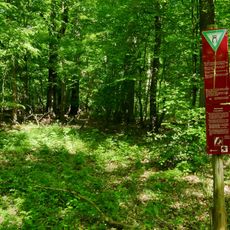
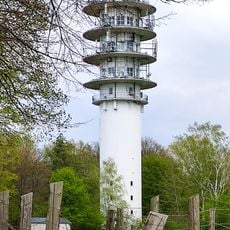
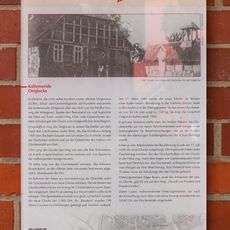
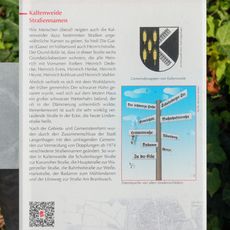
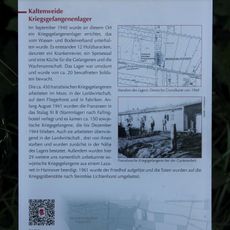
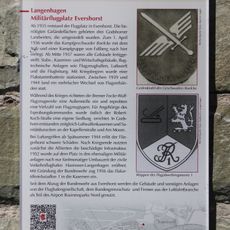
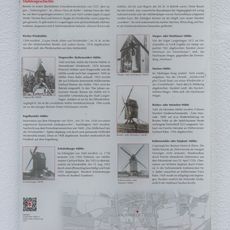
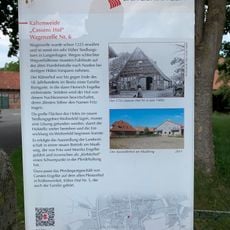
The bog is a resting place for cranes in autumn, and until the early 1980s it still held black grouse, a species now extinct there. Visitors read information boards on site and along the paths, and the two observation towers give views over the open peat surface.
Two observation towers on the northern and southern edges allow you to view the area without disturbing the sensitive ecosystem. Wear sturdy shoes and stick to marked paths, as the ground is damp and uneven in places.
Scientists have recorded around 108 different moss species within the bog, representing exceptionally high biodiversity for this habitat type. This diversity makes it an important research site for studying wetland ecology and species conservation.
The community of curious travelers
AroundUs brings together thousands of curated places, local tips, and hidden gems, enriched daily by 93,943 contributors worldwide.