Bochum Observatory, Public observatory in Bochum, Germany
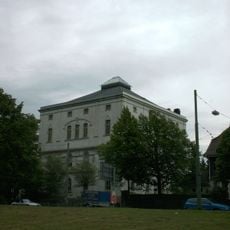
Bochum Observatory is a radio telescope facility in North Rhine-Westphalia with a 20-meter parabolic antenna housed in a 40-meter-high dome-shaped protective structure. The site uses multiple antenna systems to receive signals from space and offers exhibition galleries and a lecture hall for around 160 people.
The observatory was established in 1946 under Professor Heinz Kaminski and gained international attention when it received the signal from Sputnik 1 in 1957, the world's first artificial satellite. This event made the facility a symbol of scientific response to the space age.
The exhibition shows how space exploration captured people's imagination at the time and how East and West competed for progress. Visitors can understand the role this competition played in everyday culture and in the media.
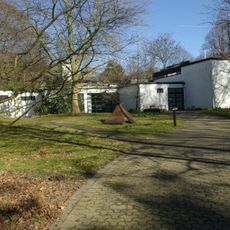
The site is easily accessible from downtown and offers plenty of space to explore the outdoor grounds, especially on clear days. The indoor exhibition is laid out clearly, so you can take your time learning about the displays.
In 2009, the parabolic antenna used an unusual method by sending radio waves to Venus and measuring their echoes bouncing back. These radar experiments were groundbreaking in Western Europe and show how versatile the telescope's uses can be.
The community of curious travelers
AroundUs brings together thousands of curated places, local tips, and hidden gems, enriched daily by 92,657 contributors worldwide.