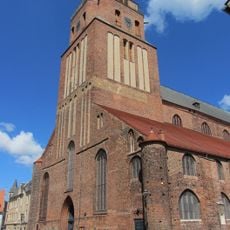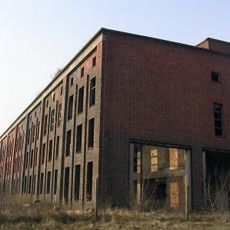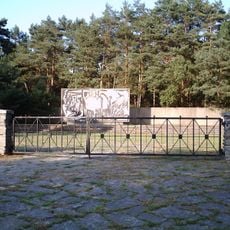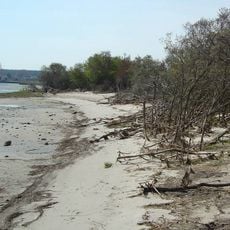
Peenemünde Army Research Center, Military research center in Usedom, Germany.
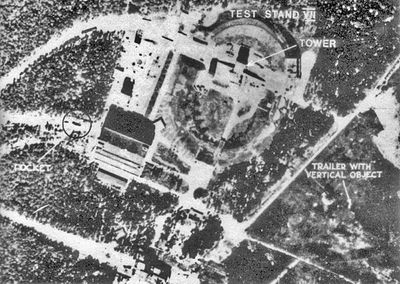
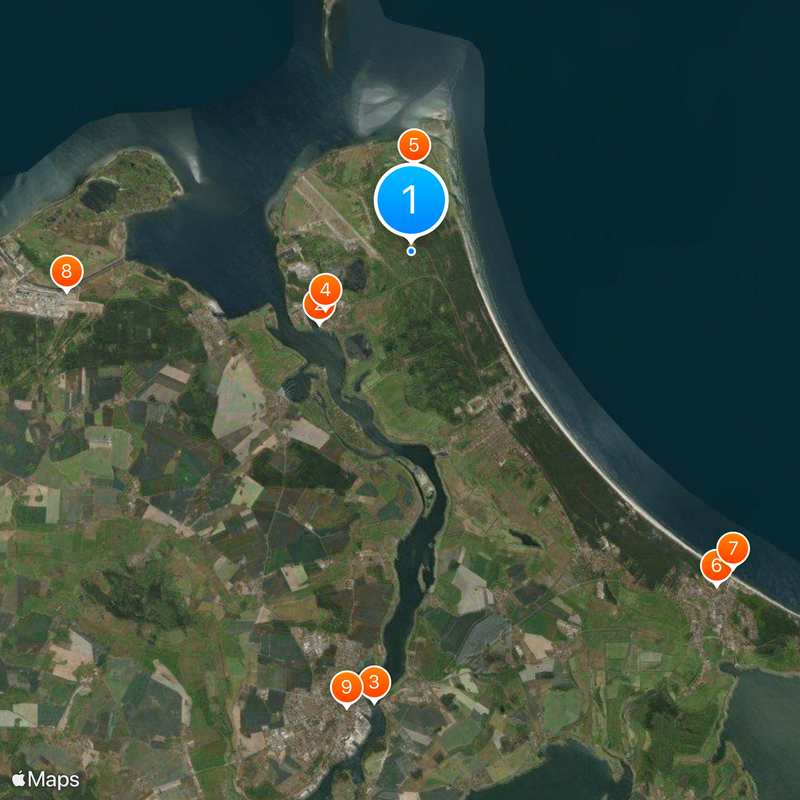
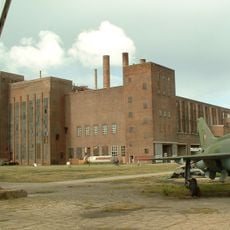
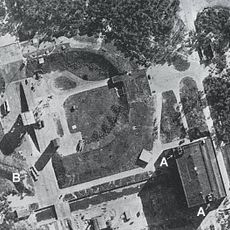
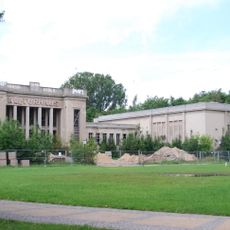
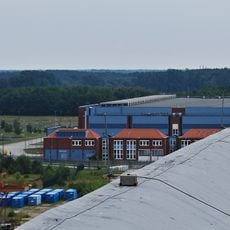
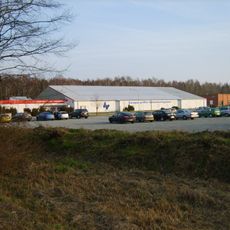
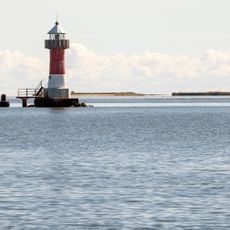
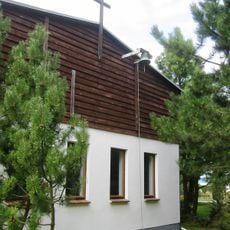
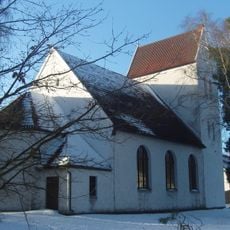
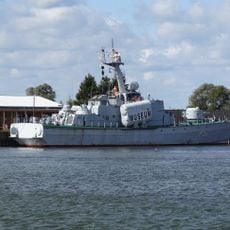
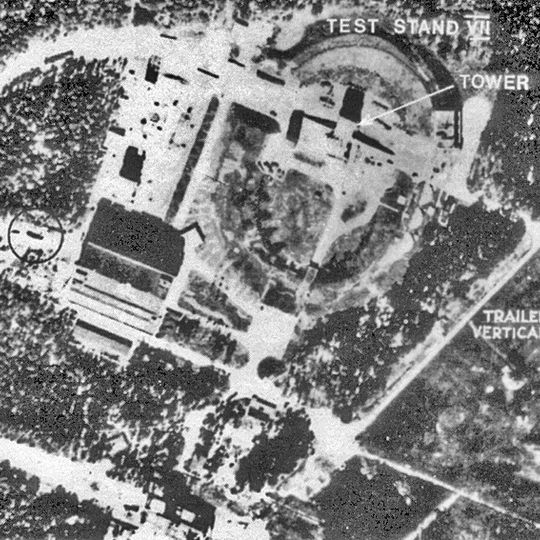
Peenemünde Army Research Center was a military research site on the Baltic coast of Usedom that included launch pads, a harbor, a power station, and sprawling test facilities for rocket construction. The buildings spread across a large area with assembly halls, laboratories, and an airfield that supported the entire rocket development process.
The site was established in 1936 as a secret rocket testing ground for the German army and remained in use until the war ended in 1945. Wernher von Braun and his team developed the Aggregat 4 here, later known as the V-2, which became the first long-range ballistic missile.
The research complex now serves as a place of memory that connects military science with the forced labor used during wartime production. Visitors today can walk through spaces where engineers worked under state control, raising questions about science and responsibility.
The museum inside the former power plant offers exhibitions about rocket development and provides guided tours in German and English. The grounds are extensive, so wear comfortable walking shoes and allow enough time to explore the outdoor areas and remaining structures.
In October 1942, a rocket launched here became the first human-made object to reach the boundary of space at roughly 62 miles (100 kilometers) altitude. This test flight marked the beginning of spaceflight technology, though it occurred under military direction.
The community of curious travelers
AroundUs brings together thousands of curated places, local tips, and hidden gems, enriched daily by 90,844 contributors worldwide.