Port of Rostock, seaport in Germany
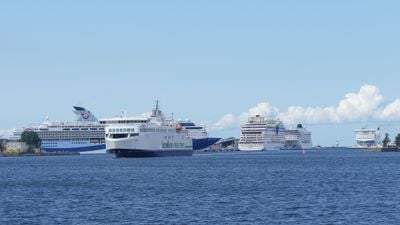
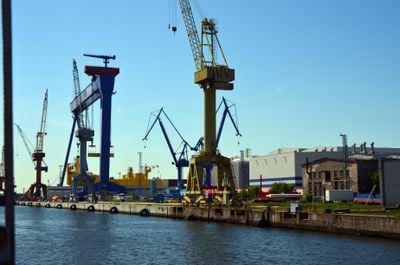
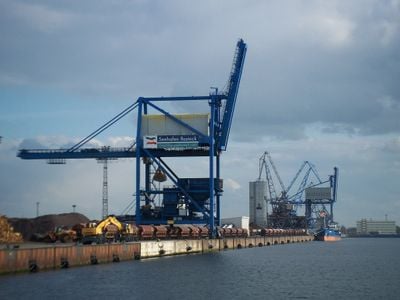
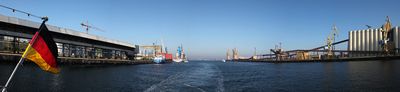
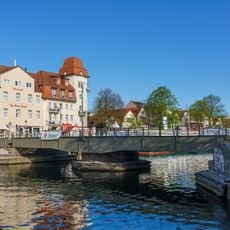
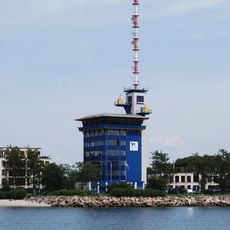
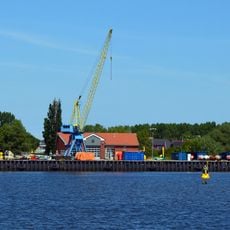
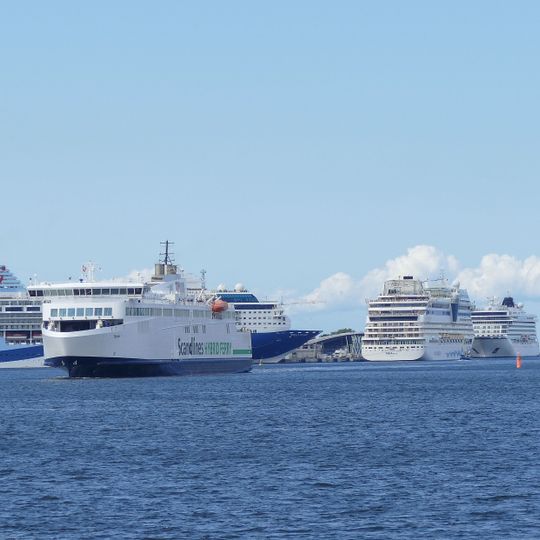
The Port of Rostock is a seaport on Germany's Baltic coast that receives various types of cargo ships, ferries, and cruise vessels. The facility spans a large area with over 11 kilometers of quay walls, where ships dock at different berths to load and unload goods and passengers.
In the Middle Ages, the port on the Warnow River was an important trade point on the Baltic Sea, where ships bearing the Rostock coat of arms symbol traded with Scandinavian and Baltic lands. After the decline of the Hanseatic League and World War II, the port was rebuilt and developed into a modern facility in the 1960s that handled millions of tons of goods.
The port carries the city's name and has been a place of exchange with Scandinavia and the Baltic region for centuries. Today you see people from around the world boarding ferries and cruise ships daily, making the port a living gateway for travelers.
The port has good road connections to highways for quick access, and many trains connect Rostock to other European cities for freight transport. Visitors should note that large parts of the port are only accessible with permission, but the ferry terminal and the Warnemünde waterfront promenade offer public viewpoints of port activity.
The port can handle ships up to 250 meters long and has a special crane capable of lifting cargo up to 1,600 tons, making it particularly suited for transporting large wind turbine parts. Unlike many other Baltic ports, the water remains mostly ice-free even in winter, allowing year-round shipping.
The community of curious travelers
AroundUs brings together thousands of curated places, local tips, and hidden gems, enriched daily by 90,824 contributors worldwide.