Großbosischer Garten, Baroque garden in Seeburg Quarter, Leipzig, Germany.
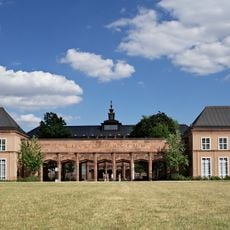
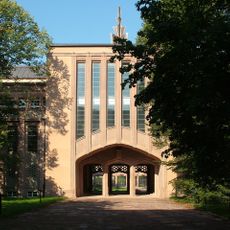
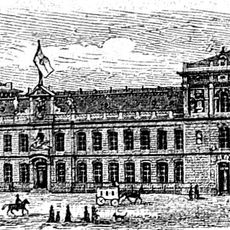
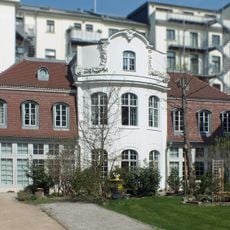
Großbosischer Garten was a baroque garden in Leipzig's Seeburg quarter featuring terraced orangeries, ornate fountains, and plants arranged in geometric patterns across the grounds. The property also included animal enclosures and multiple greenhouses that organized the space into distinct sections.
Wealthy merchant Caspar Bose created this garden between 1680 and 1685 after Leipzig's city walls lost their military importance, allowing the city to expand beyond its former boundaries. The transformation of the land into an impressive garden reflected the growing prosperity of the city.
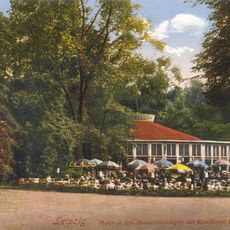
The pavilion served as a meeting place where locals and trade fair visitors gathered together, creating a social hub that welcomed people from different backgrounds. This openness made the garden an important part of city life during its time.
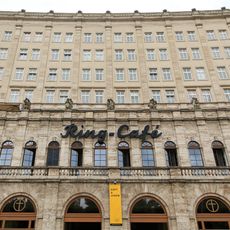
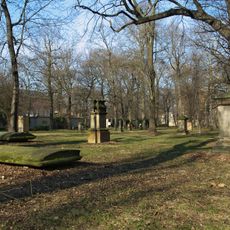
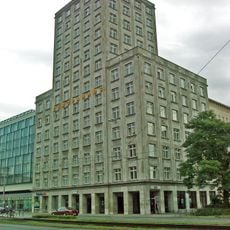
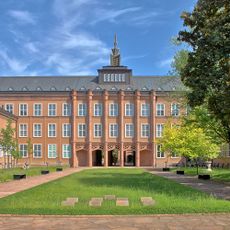
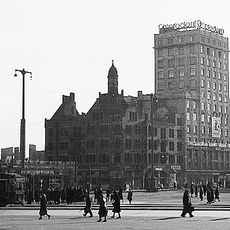
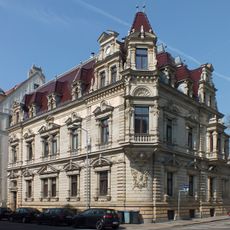
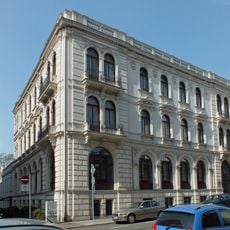
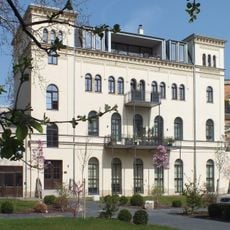
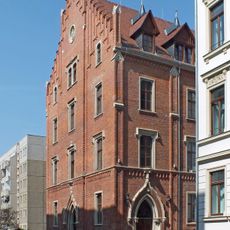
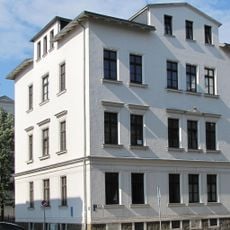
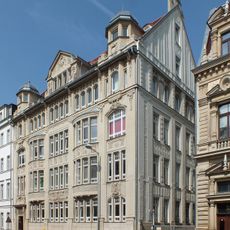
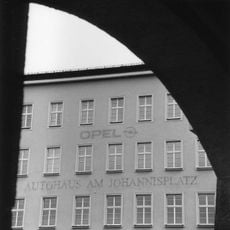
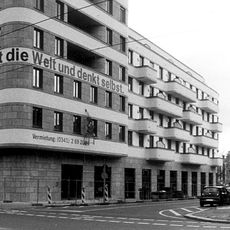
The garden no longer exists in its original form, as the land was redeveloped with buildings and new structures starting in the 19th century. Visitors interested in the site can learn about its history through local records and any remaining traces that might be visible in the urban landscape.
Six statues by artist Paul Heermann once lined the approach to the terraced section and were distinctive features of the property. The owner's international trading connections made it possible to cultivate rare exotic plants that would have been impossible to grow elsewhere in the region.
The community of curious travelers
AroundUs brings together thousands of curated places, local tips, and hidden gems, enriched daily by 90,903 contributors worldwide.