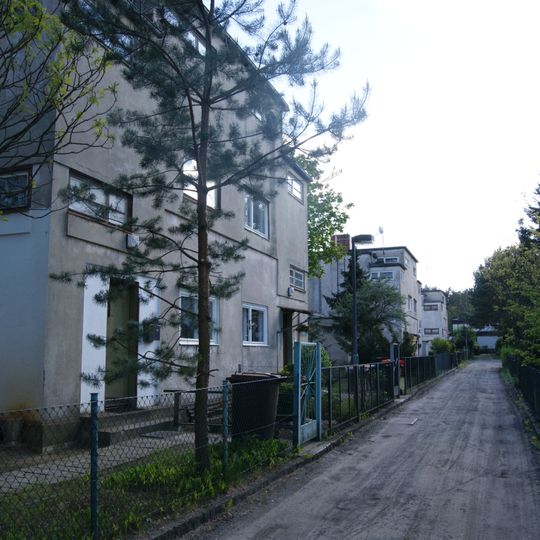
Neu-Jerusalem, Cultural heritage residential complex in Staaken, Berlin, Germany.
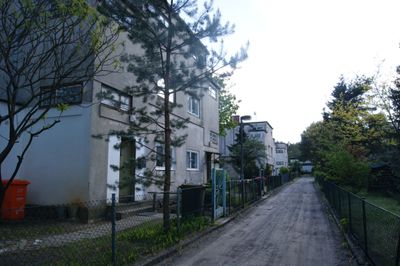
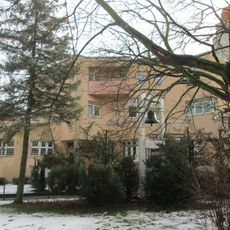
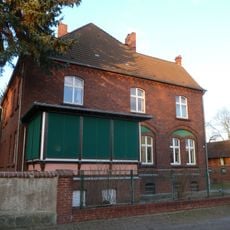
Neu-Jerusalem is a residential complex with 21 semi-detached houses and one detached single-family house arranged in an orderly pattern along Heerstraße. The cubic buildings with attached single-story annexes form a cohesive ensemble located near Berlin's state boundary.
The residential complex was built between 1923 and 1924 according to designs by architect Erwin Gutkind for employees of the zeppelin airfield. This period marked the modernization of Berlin's industry and transport sector during the Weimar era.
The settlement carries the name Neu-Jerusalem and displays the clear design language of New Objectivity with white plaster and dark red brick facades. This approach shapes the overall appearance and conveys the spirit of the 1920s when such modern residential complexes were built.
The complex is located west of Berlin near the Brandenburg border and is easily accessible by public transport or car. The settlement sits in a quiet residential area where the houses can be viewed from public pathways.
The single detached house in the settlement was an experimental field for prefabricated building techniques and marks an early use of industrial construction methods. This early application shows how Gutkind tested innovative building approaches already in the 1920s.
The community of curious travelers
AroundUs brings together thousands of curated places, local tips, and hidden gems, enriched daily by 90,938 contributors worldwide.