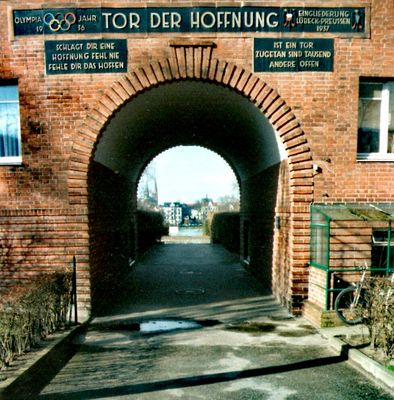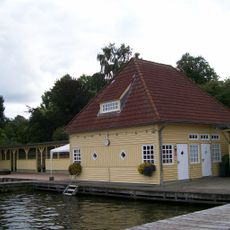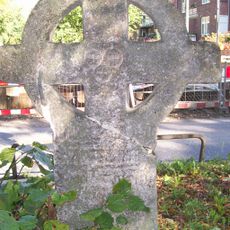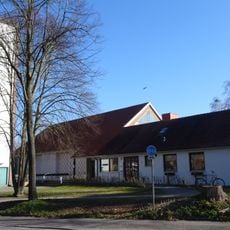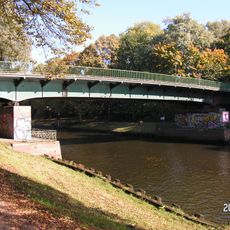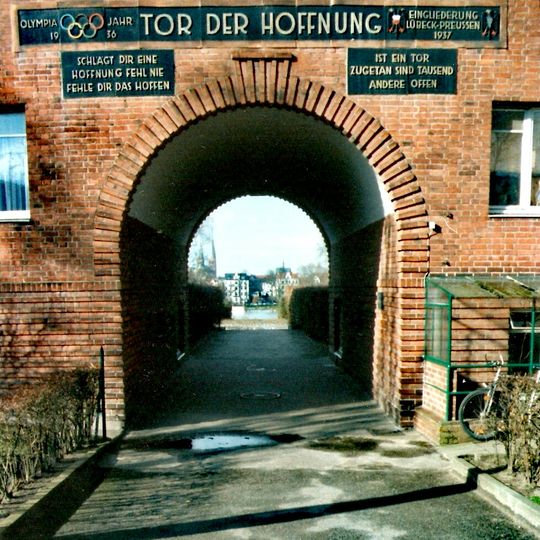
Tor der Hoffnung, Cultural heritage site and residential complex with park in St. Gertrud district, Lübeck, Germany.
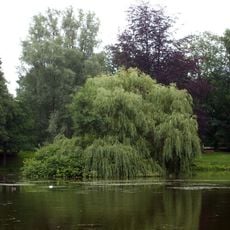
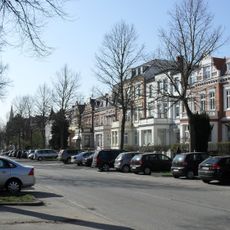
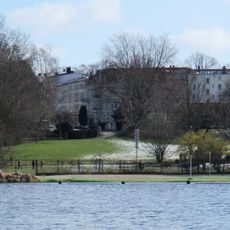
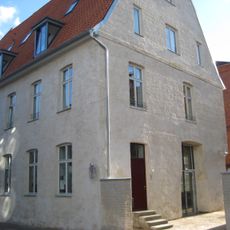
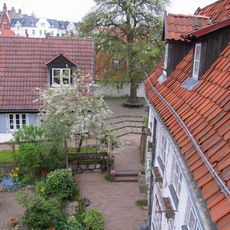
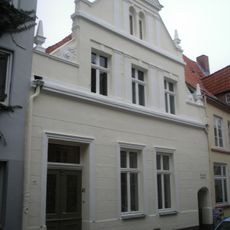
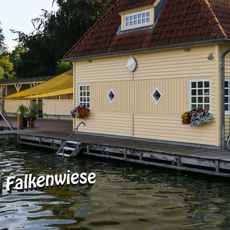
Tor der Hoffnung is a residential complex with around 46 apartments built on a hillside along the eastern bank of the Wakenitz River in Lübeck. The site includes housing units, green spaces, recreational areas, and direct access to meadows by the water.
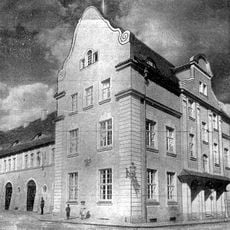
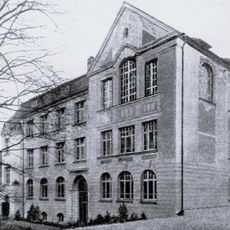
Rodolfo Groth, a Lübeck businessman, purchased the land in 1936 during a severe housing shortage and hired architect Willy Glogner to design the complex. The project represented an innovative approach to providing housing during a period of great need.
The name 'Tor der Hoffnung' means 'Gate of Hope' and marked a new approach to how people could live together in harmony with nature. Walking through the site, visitors notice how the structures are nestled into the landscape rather than dominating it.
The site is easily accessible and offers grilling areas, a playground, and outdoor exercise equipment for visitors of all ages. Being close to the river and surrounding meadows makes it simple to explore the grounds and enjoy various outdoor activities.
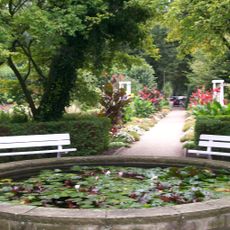
The site maintains its dual purpose as both a protected monument and an active residential space, a combination rarely seen today. The terraced gardens on the slopes provide unexpected views of the river and show how living and nature were once deliberately woven together.
The community of curious travelers
AroundUs brings together thousands of curated places, local tips, and hidden gems, enriched daily by 92,521 contributors worldwide.