Swedish Wismar, Historical Swedish dominion in Wismar, Germany.
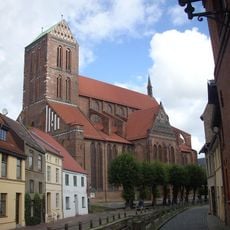
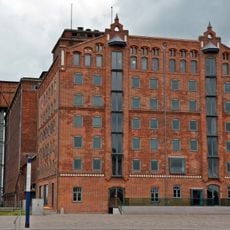
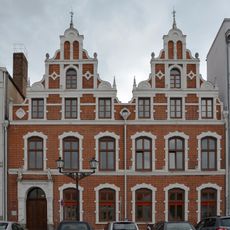
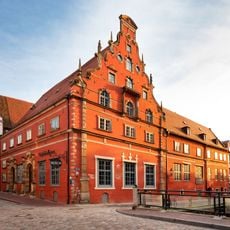
Swedish Wismar was a port district on the Baltic Sea that served as Sweden's northernmost German possession from the 17th century onward. The area contained fortifications, royal buildings, and trading houses that mixed Baltic architecture with Swedish administrative structures.
Following the Peace of Westphalia in 1648, Sweden took control of Wismar and made it the center of its German territories. The arrangement ended in 1803 when Sweden pawned the region to Mecklenburg-Schwerin and withdrew its military presence.
Swedish Wismar brought together Swedish officials and German townspeople in daily life, creating a shared space where two administrative systems operated side by side. Local names and traditions from both cultures remain visible in the city's street layout and building names.
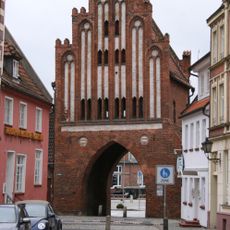
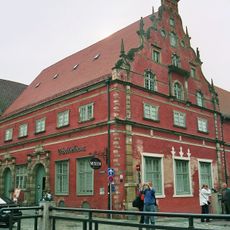
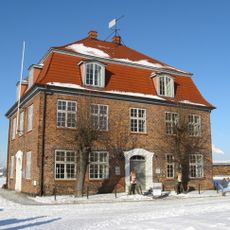
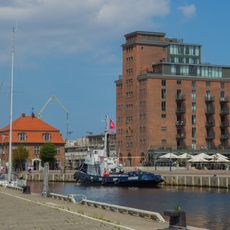
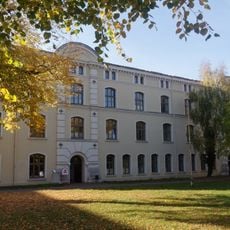
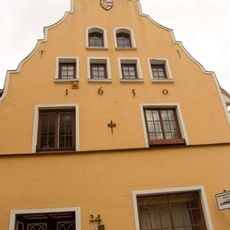
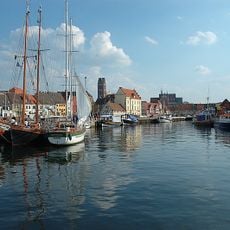
Remnants from this period can be found today at the harbor and in certain buildings that still display Swedish features. Walking through the old town helps trace the different architectural layers that remain from the Swedish era.
Sweden retained the right to repurchase the city for roughly 100 years after pawning it in 1803, but never exercised this option. This unusual financial arrangement left Wismar in a peculiar legal state, with two possible futures hanging over it for generations.
The community of curious travelers
AroundUs brings together thousands of curated places, local tips, and hidden gems, enriched daily by 90,820 contributors worldwide.