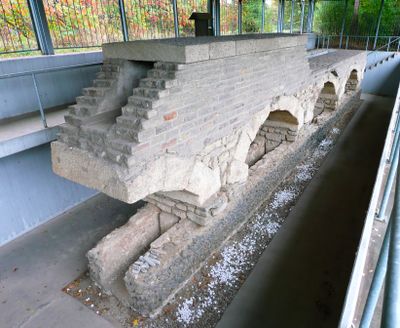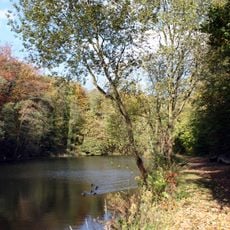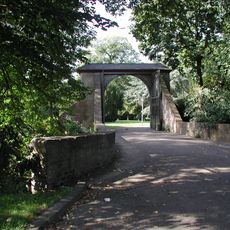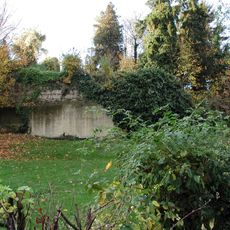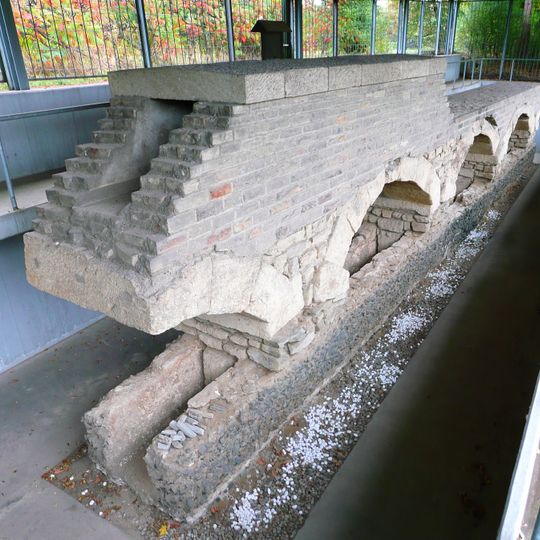
Römische Wasserleitung Hürth, Archaeological remains of Roman aqueducts in Hürth, Germany.
The Roman Aqueduct of Hürth consists of multiple water channels stacked on top of each other, showing how Romans developed complex systems for water transport. The channels collected spring water and directed it across several kilometers to supply settlements.
The aqueduct was built around 30 CE and was one of the first major water transport systems in the region. It later served as a model for the more extensive Eifel Aqueduct system that supplied Cologne and its surroundings.
The aqueducts were built by Roman communities to supply drinking water from natural springs to the city of Cologne. You can still see traces of this ancient infrastructure and understand how essential clean water was to Roman life.
The site is best explored on foot as it sits in an open outdoor area. Wear sturdy shoes and allow time to examine the different channel sections thoroughly.
Roman coins found at the site date the construction to around 30 CE, providing precise evidence of its founding period. These discoveries make it a key landmark for understanding the earliest years of Roman settlement in the region.
The community of curious travelers
AroundUs brings together thousands of curated places, local tips, and hidden gems, enriched daily by 91,439 contributors worldwide.