Southern Jutland, Geographic region in southern Denmark
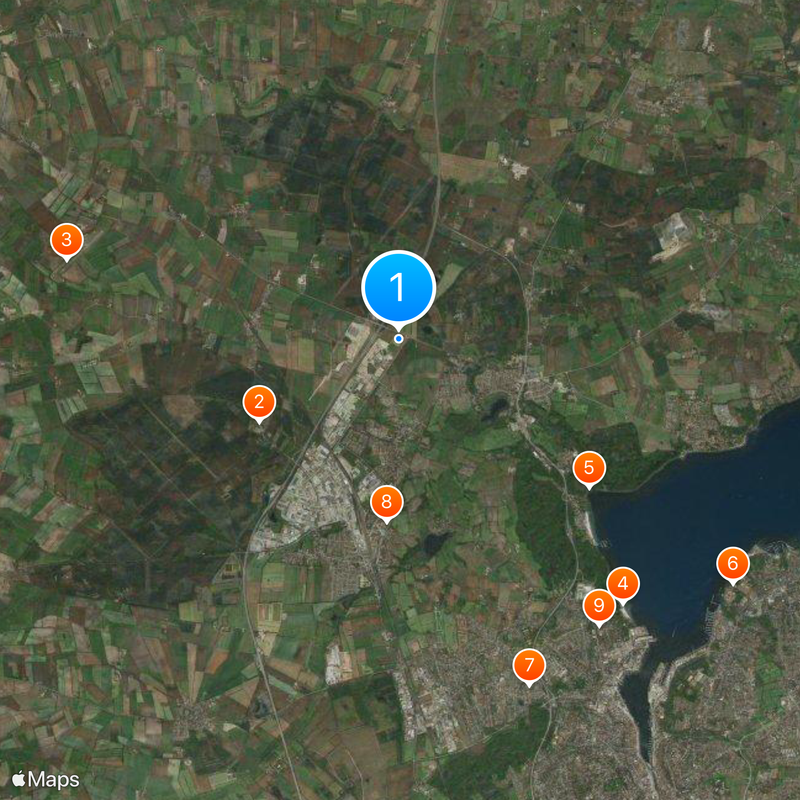
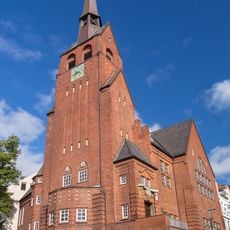
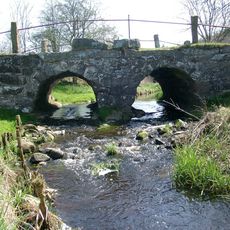
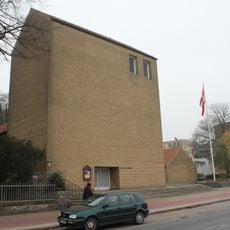
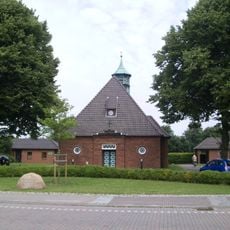
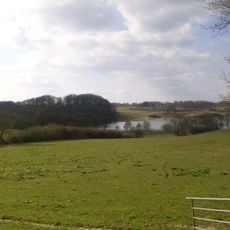
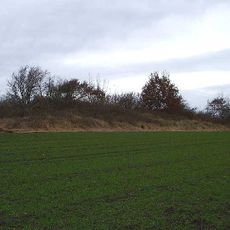
Southern Jutland is a geographic region in southern Denmark that extends from the Danish-German border to the Kongeå river. The landscape features agricultural land, coastal areas, and several historic towns including Aabenraa, Haderslev, and Sønderborg.
After World War I, the Treaty of Versailles in 1919 led to a plebiscite that divided the region between Denmark and Germany. This outcome ended centuries of territorial disputes between the two nations.
The regional dialect differs from standard Danish, while local customs and food reflect both German and Danish roots. You can see these influences in everyday life, from how people celebrate festivals to what they cook at home.
The region is connected by bus and train services linking main towns like Aabenraa, Haderslev, and Sønderborg. Visiting by car makes sense because towns and attractions are spread across the landscape.
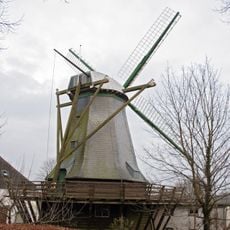
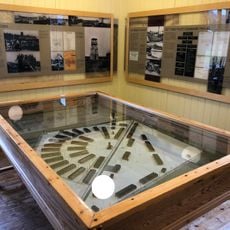
The Dybbøl Mølle windmill stands as a memorial to the 1864 Battle of Dybbøl, when Danish forces defended against Prussian and Austrian armies. This site marks one of the region's most important military moments.
The community of curious travelers
AroundUs brings together thousands of curated places, local tips, and hidden gems, enriched daily by 90,836 contributors worldwide.