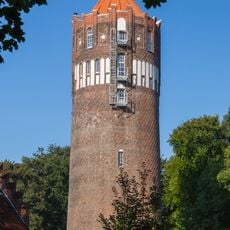
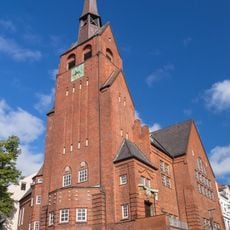
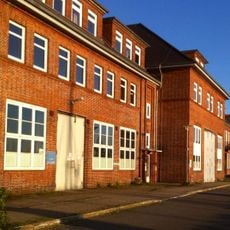
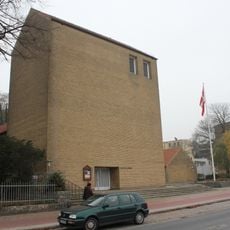
Crusauer Kupfer- und Messingfabrik, Industrial museum in Kupfermühle, Harrislee, Germany.
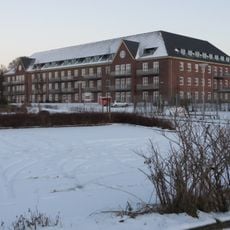
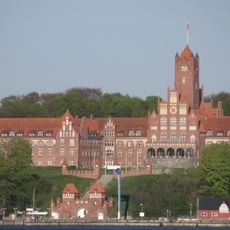
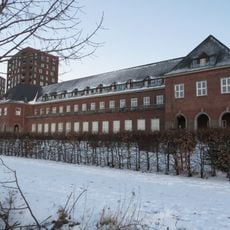
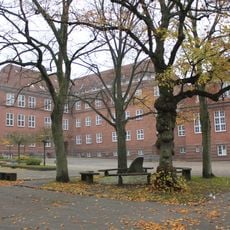
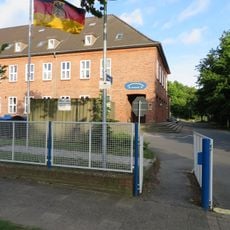
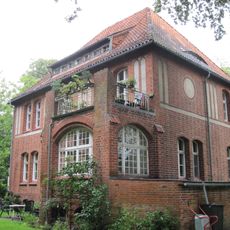
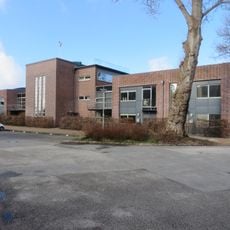
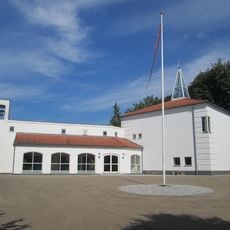
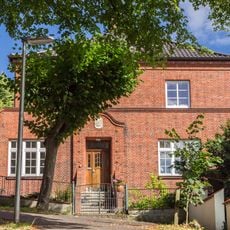
The Crusauer Kupfer- und Messingfabrik is an industrial museum housed in three fully renovated historic factory halls in Kupfermühle, south of the Danish-German border. The complex includes the preserved factory buildings and workers' housing known as Nyboder, partly restored in the early 1990s. The museum reopened on 2 July 2014 and presents the history of the copper and brass works, its technical development, and the site itself.
The facility started as a hammer mill in 1600 through a royal Danish initiative and grew into one of Northern Europe's major copper and brass producers over the following centuries. Ownership changed multiple times, and production adapted to evolving market demands throughout its long operation.
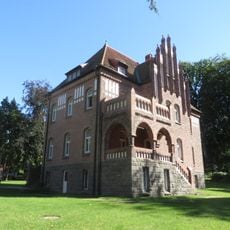
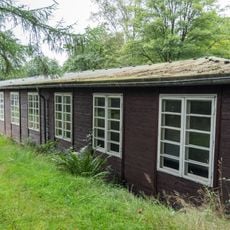
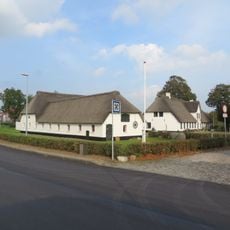
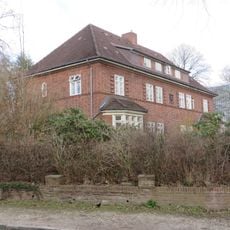
The site preserves worker housing from different periods that developed alongside the factory buildings. Visitors can see how laborers and their families lived, and how closely their daily lives were tied to production cycles.
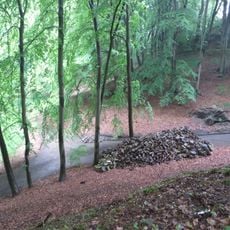
The museum occupies three fully renovated historic industrial halls of the former factory, run by the Förderverein Industriemuseum Kupfermühle e.V. and reopened on 2 July 2014. The preserved factory buildings and the workers' housing, the so-called Nyboder, stand in Kupfermühle in the municipality of Harrislee, just south of the Danish-German border at Kruså. The site lies by the Krusau stream, whose gradient once drove the water wheels.
In 1908 a Francis turbine from Voith was installed in the copper works, fed through a pipe system and driving a generator rated at 100 kW. Around 1840 the site ran eight water wheels powering ten hammer works, plus a brass foundry and five workshops.
The community of curious travelers
AroundUs brings together thousands of curated places, local tips, and hidden gems, enriched daily by 93,186 contributors worldwide.