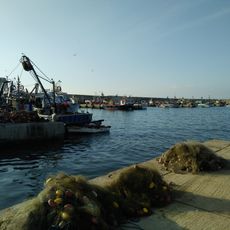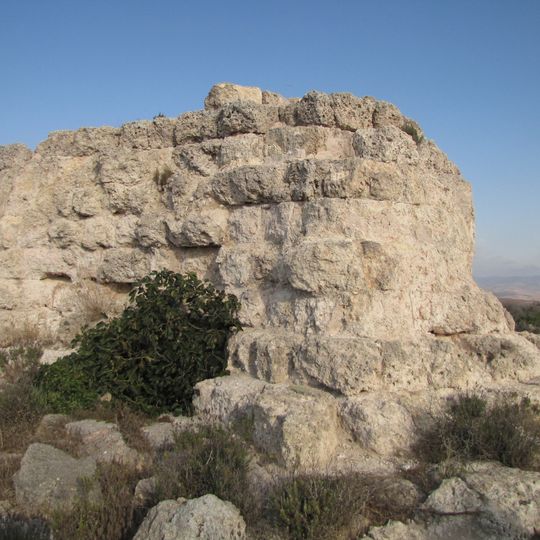
Siga, berber and Roman port near Aïn Témouchent, Algeria
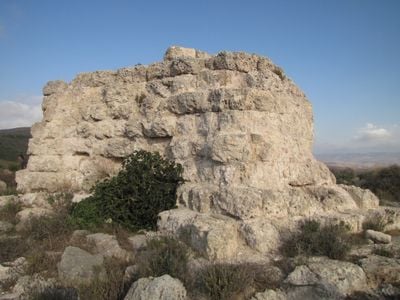
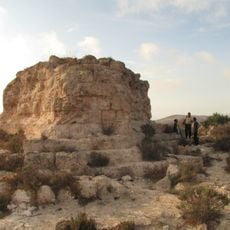
Siga is an ancient Roman city and archaeological site near Aïn Témouchent on the Tafna River, close to where it meets the sea. The ruins spread across both riverbanks and two small hills, showing remains of a fortress, residential structures, water systems, and baths from different periods.
Siga began as a Berber settlement and was later used as a port by Phoenicians and Carthaginians before becoming the capital of King Syphax in the 3rd century BC. After Syphax was defeated by the Romans during the Second Punic War, the kingdom lost its independence, though the city regained importance under Roman emperors like Septimius Severus and Caracalla.
The name Siga comes from Punic inscriptions on ancient coins found at the site, where it was written as Shigan. The ruins show how Berber, Phoenician, and Roman peoples used this place as a trading hub and shared its spaces over centuries.
The site is located along the Tafna River and can be reached by road from the town of Aïn Témouchent. The ruins are spread across both riverbanks, so plan for enough time and wear sturdy footwear to explore the entire area.
The mausoleum on the site is believed to hold the remains of King Syphax and represents one of the earliest Numidian royal tombs, offering insights into burial customs and power structures of the region. Coins minted here carry Punic inscriptions that confirm the city's role as a major political and commercial center.
The community of curious travelers
AroundUs brings together thousands of curated places, local tips, and hidden gems, enriched daily by 91,614 contributors worldwide.