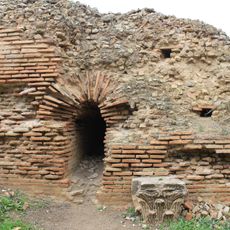
Aïn Beïda, commune and city in Oum El Bouaghi Province, Algeria
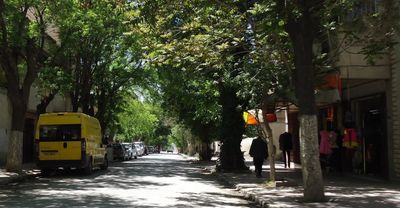
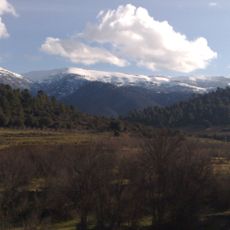
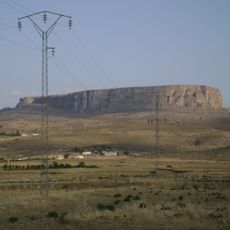
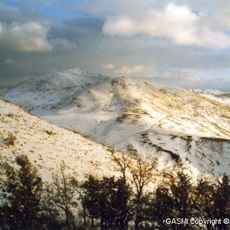
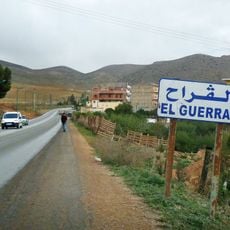
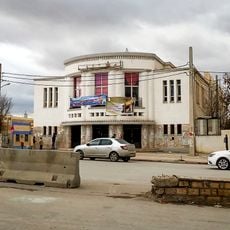
Aïn Beïda is a city situated on high plateaus in Algeria, rising about 1,000 meters above sea level and surrounded by open landscapes. The street layout follows a colonial grid pattern connecting historical quarters with newer residential areas and local markets.
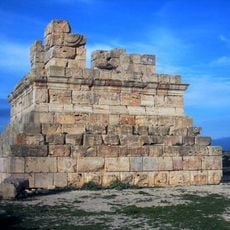
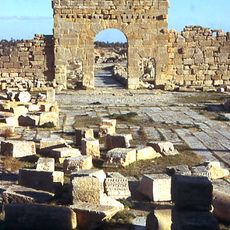
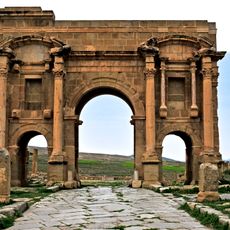
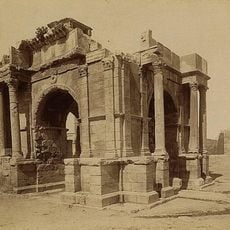
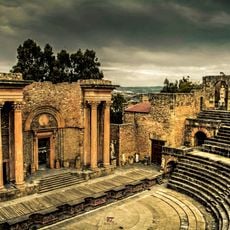
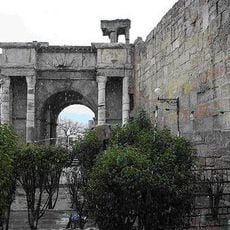
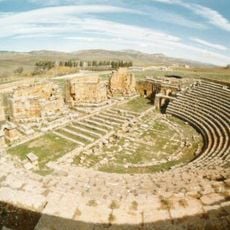
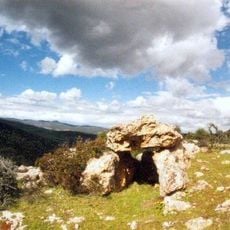
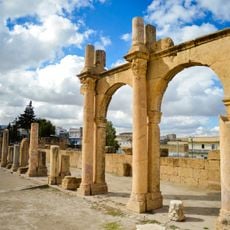
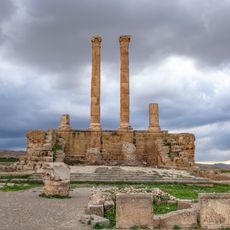
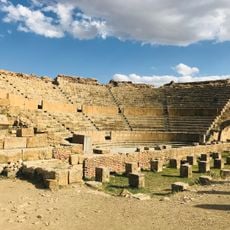
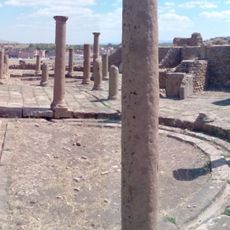
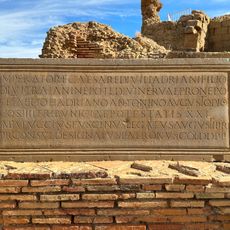
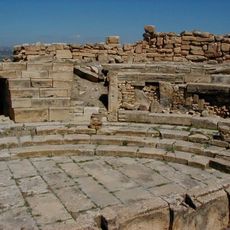
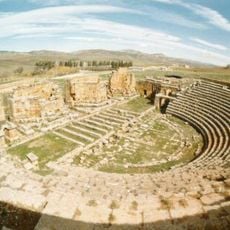
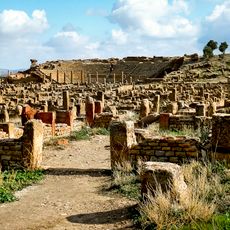
The city was known as Marcimenium during Roman times and served as a crossroads connecting important settlements. After Roman rule, it experienced Vandal and Byzantine control before coming under Arab-Islamic influence.
The population is primarily Chaouia Berber, maintaining their own language, music, and traditions visible in daily interactions and local markets. These cultural expressions shape the identity of the community and remain active in celebrations throughout the year.
The city is accessible by road, bus, and train connections to nearby towns, though some routes have limited service. The semi-arid climate with hot summers and cold winters should be considered when planning a visit.
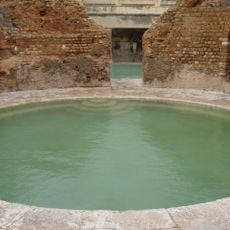
The city's name means White Spring and refers to a natural water source that has attracted visitors and shaped the history of settlement. This resource was essential to the area's importance across centuries.
The community of curious travelers
AroundUs brings together thousands of curated places, local tips, and hidden gems, enriched daily by 92,754 contributors worldwide.