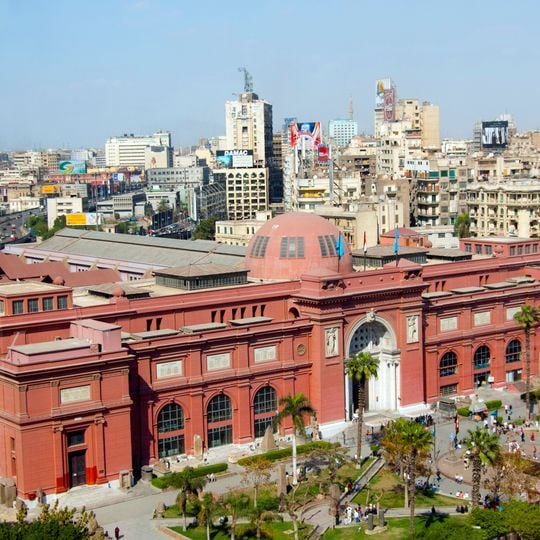
Egyptian Museum, Archaeological museum at Tahrir Square, Cairo, Egypt
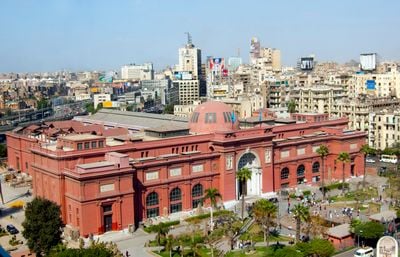
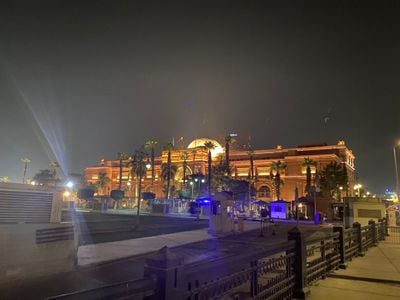
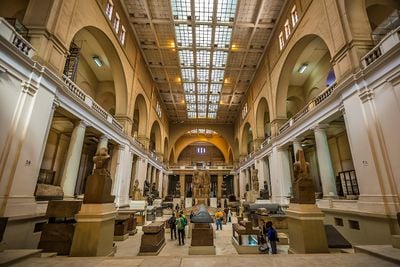
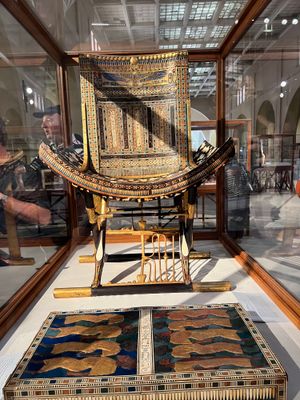
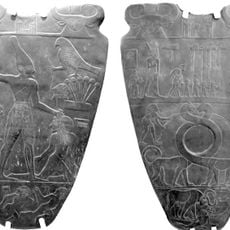
The Egyptian Museum is an archaeological museum at Tahrir Square in central Cairo and holds over 120,000 objects from pharaonic Egypt. The collection spreads across two floors with 107 halls displaying sculptures, jewelry, everyday items and mummified remains.
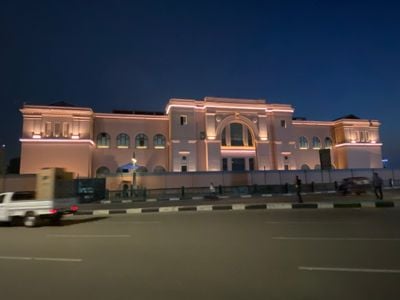
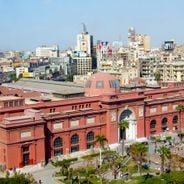
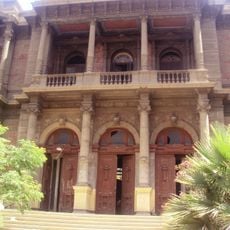
French architect Marcel Dourgnon designed the building after a competition in 1895 and gave it the form of a neoclassical palace. Khedive Abbas Helmy II officially opened the building in 1902 to bring together all the antiquities collected until then under one roof.
The institution is called Al-Matḥaf al-Miṣrī in Arabic, reflecting its Egyptian origin and importance for national heritage. Visitors today see papyri, sarcophagi and grave goods that show how people honored their dead and believed in an afterlife.
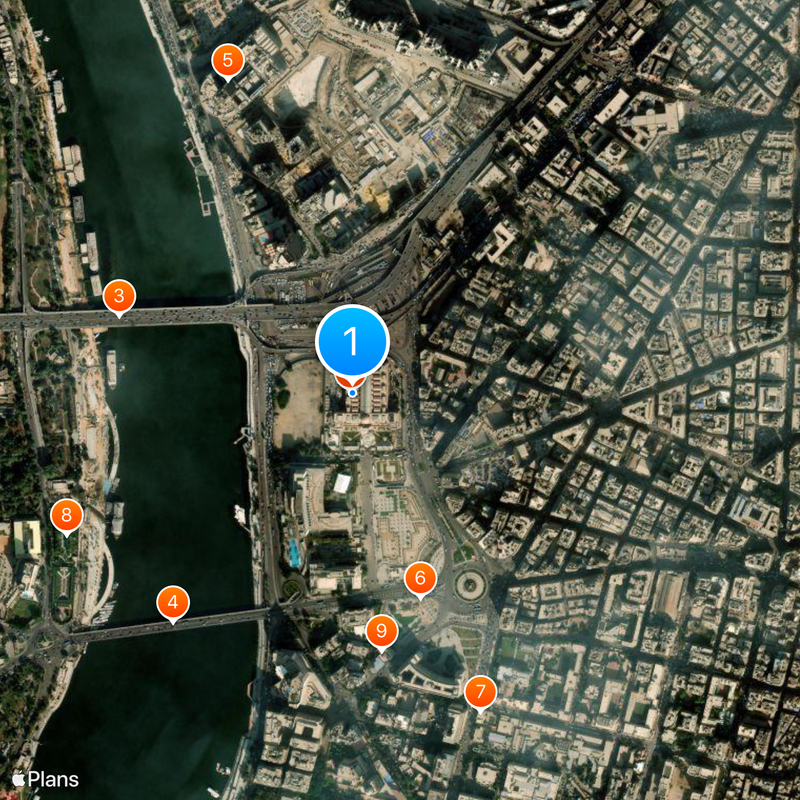
The entrance is located directly at Tahrir Square and can be reached on foot or by public transport. The halls on both floors are connected by stairs and corridors, so allow enough time for the tour.
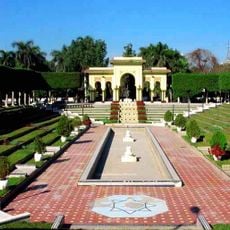
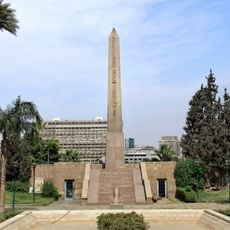
The museum's garden holds the tomb of Auguste Mariette, the Egyptologist who founded the Antiquities Department and created the Boulaq museum; he asked to be buried among the artifacts he had collected. When the collection moved from Giza in 1902, it took five thousand wooden carts and two trains making about nineteen round trips.
The community of curious travelers
AroundUs brings together thousands of curated places, local tips, and hidden gems, enriched daily by 92,364 contributors worldwide.