Hermopolis, Archaeological site and village in Minya Governorate, Egypt
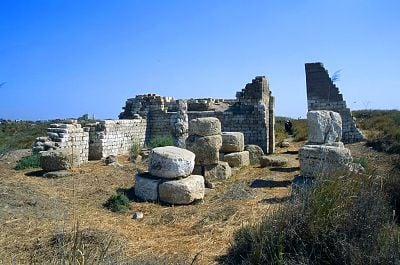
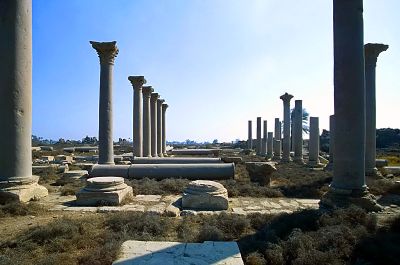
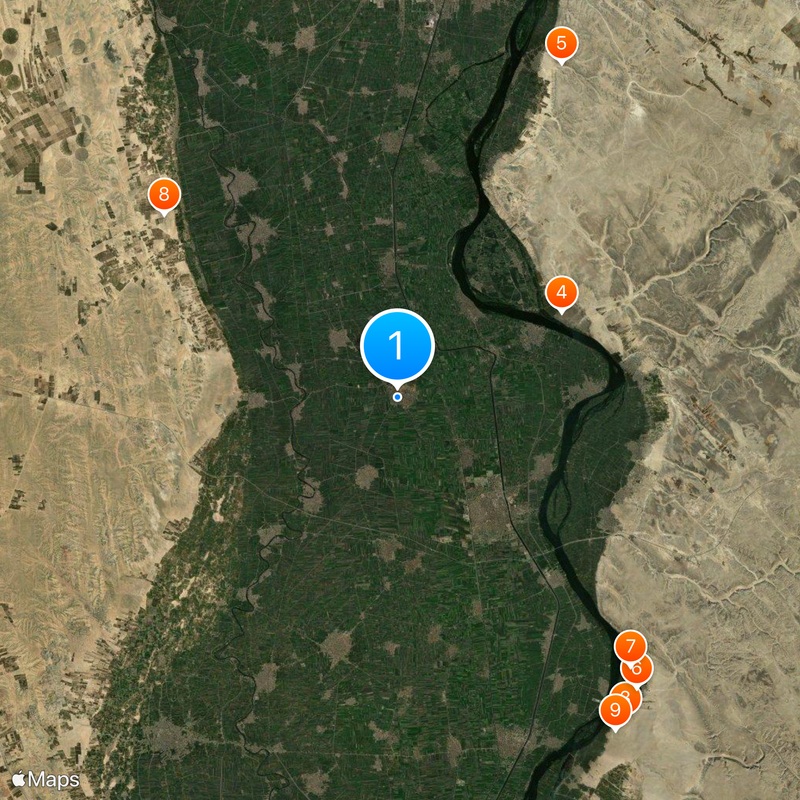
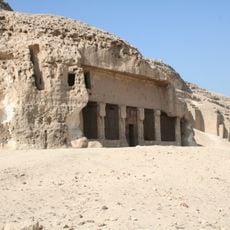
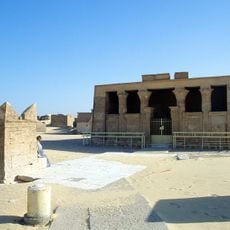
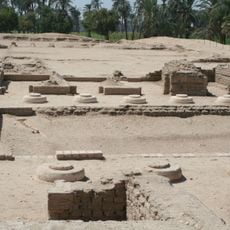
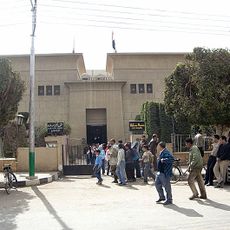
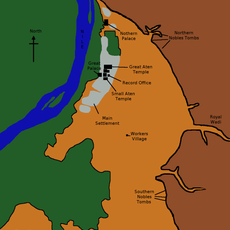
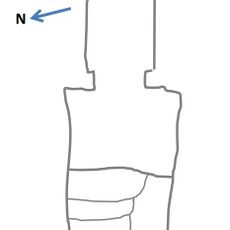
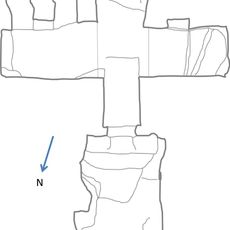
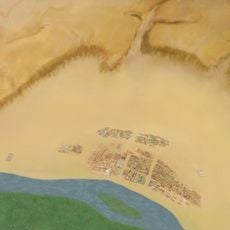
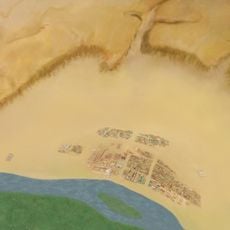
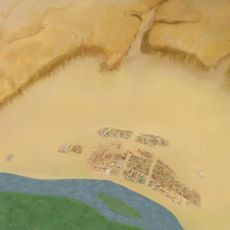
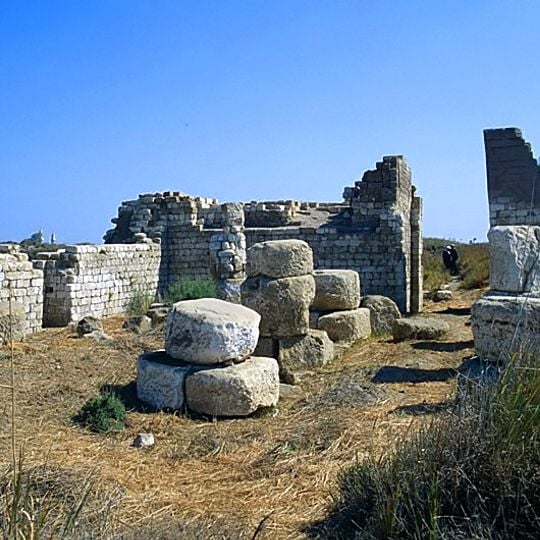
Hermopolis is an archaeological site and village in Upper Egypt located on the western bank of the Nile River, containing remains of temples and religious structures from multiple periods. The preserved structures feature red granite columns with Corinthian capitals, ancient stone blocks, and foundations that span different historical eras.
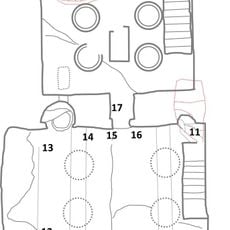
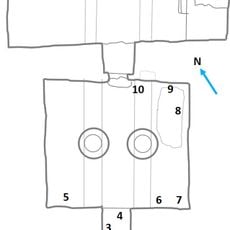
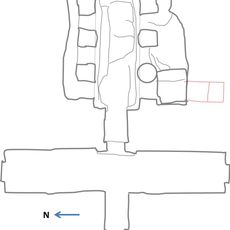
The settlement began as the capital of the fifteenth district of Upper Egypt and grew in importance during Ptolemaic times as a center for worshipping Thoth. German expeditions between 1929 and 1939 uncovered sections of the Thoth temple and structures from Hellenistic and Roman periods.
The site takes its name from Thoth, the Egyptian god of wisdom to whom it was dedicated, and this religious meaning still shapes how people understand the place today. You can see how different building periods overlap, showing that worship and ritual happened here across many centuries.
The site is best reached from Mallawi, and it is wise to arrive early in the day to avoid heat and see the remains in good light. Comfortable shoes and sun protection are essential as the area is open and exposed with little natural shade.
Two large sandstone baboon statues bearing the name cartouches of Pharaoh Amenophis III were discovered beneath an ancient temple's foundation, a rare survival of such monumental scale. These sculptures reveal the artistic skill and religious devotion practiced at this location.
The community of curious travelers
AroundUs brings together thousands of curated places, local tips, and hidden gems, enriched daily by 92,530 contributors worldwide.