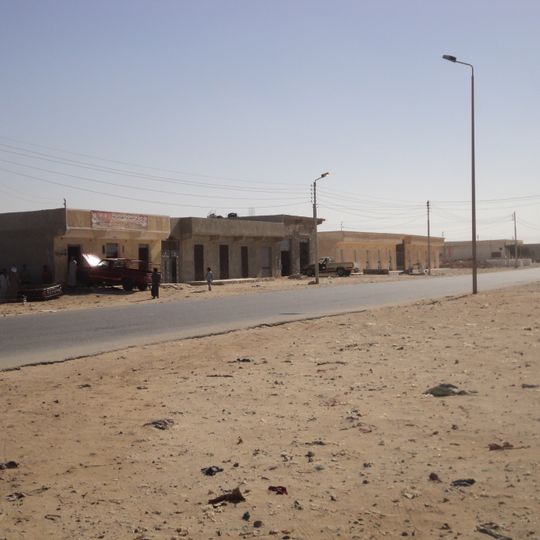
Sidi Barrani, human settlement
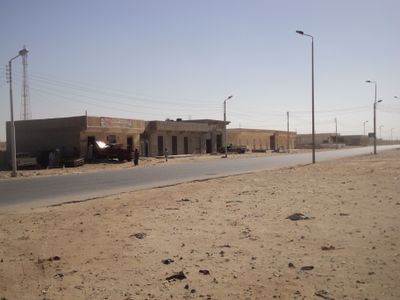
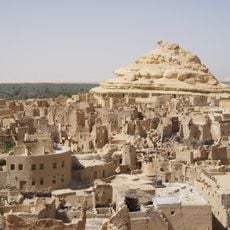
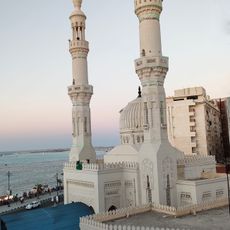
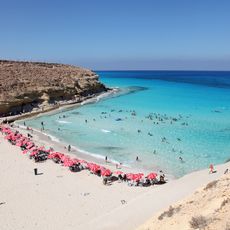
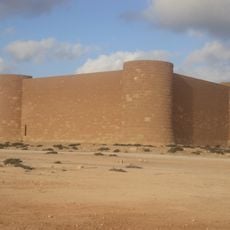
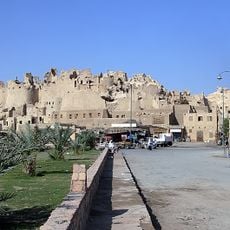
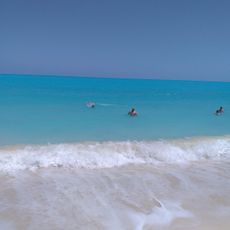
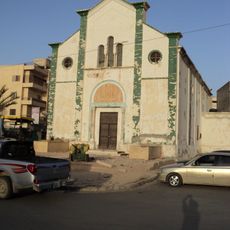
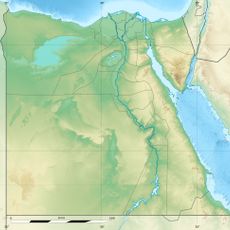
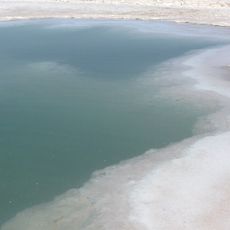
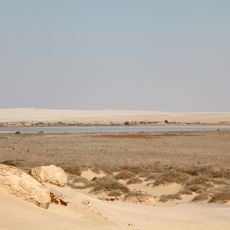
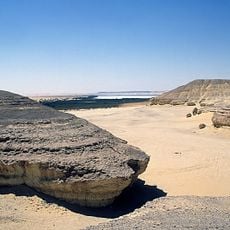
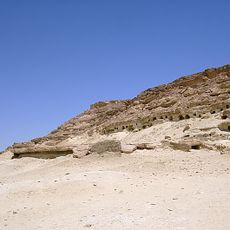
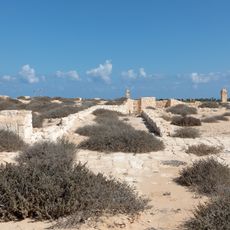
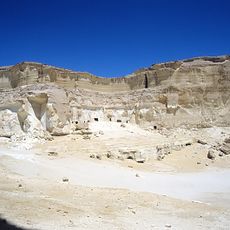
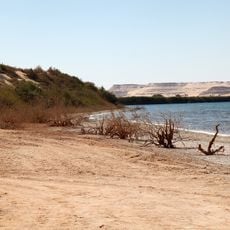
Sidi Barrani is a small coastal settlement on Egypt's Mediterranean shore, located about 100 kilometers east of the Libyan border. The flat landscape features salt flats and low hills, while the dry climate brings strong northerly winds and minimal rainfall throughout most of the year.
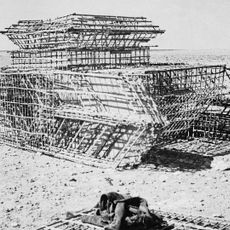
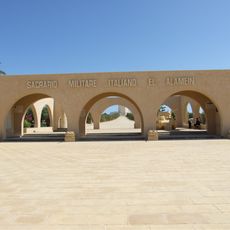
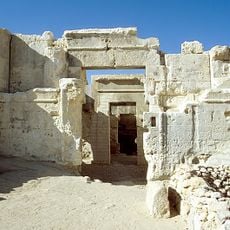
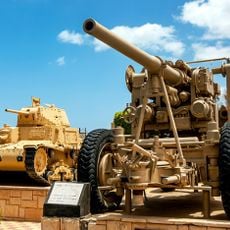
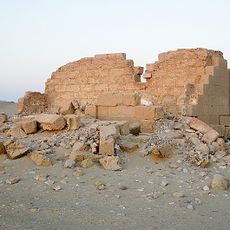
The settlement served historically as a stopping point for travelers moving between Egypt and Libya, with ancient Roman road routes and Bedouin caravans passing nearby. During World War II, it became strategically important when Italian forces invaded in September 1940, but was retaken by British forces in December through Operation Compass, a turning point in the North African campaign.
The population consists mainly of Bedouin Arabs from the Awlad Ali tribe, who move their herds of sheep and goats between coastal grazing lands and inland areas following seasonal patterns. Women manage households and dairy animals while also weaving wool textiles, reflecting deep ties to traditional pastoral and craft practices.
The location is remote and requires preparation for extreme dryness and strong winds, especially when exploring surrounding salt flats and dunes. Visitors should bring ample water, sun protection, and sturdy clothing, as medical services and supplies are limited in the area.
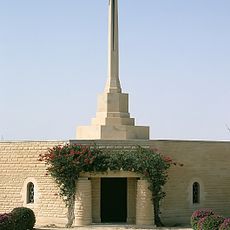
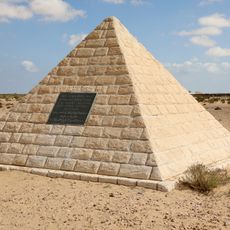
The area was the site of the Battle of Sidi Barrani during World War II, where British forces surprised static Italian positions with fast, mobile tactics and captured thousands of prisoners. This victory marked a turning point in the North African campaign and demonstrated how speed and maneuver outmatched static defenses in desert warfare.
The community of curious travelers
AroundUs brings together thousands of curated places, local tips, and hidden gems, enriched daily by 92,370 contributors worldwide.