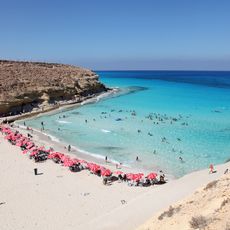
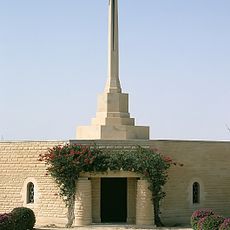
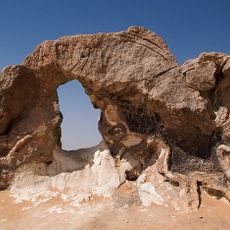
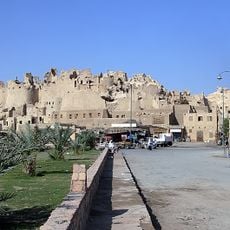
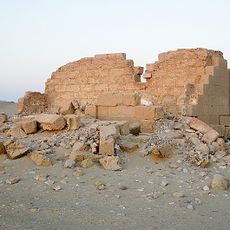
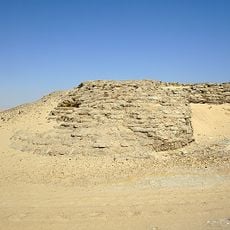
Qattara Depression Project, Proposed hydroelectric project in the Western Desert, Egypt.
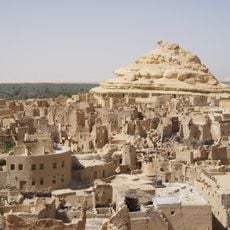
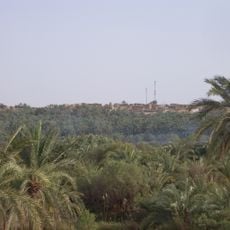
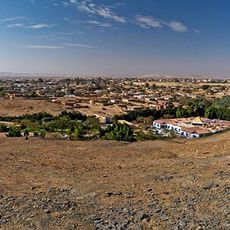
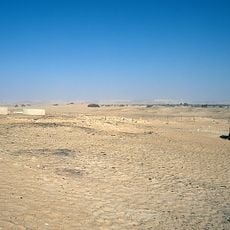
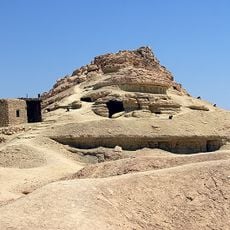
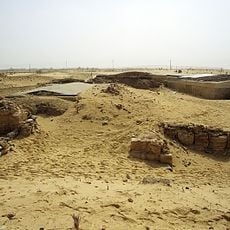
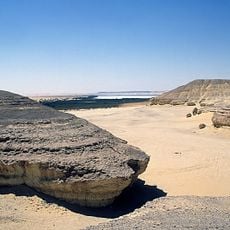
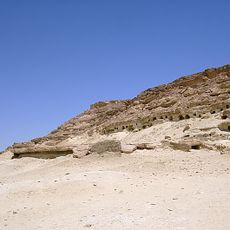
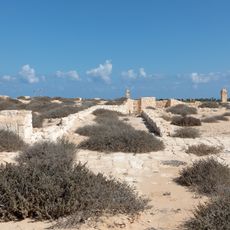
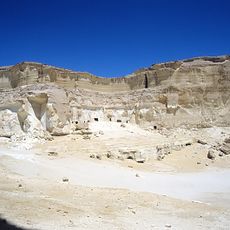
The Qattara Depression is a vast, dry area that sits about 200 feet (60 meters) below sea level, stretching across the hot, quiet sands of the Western Desert with a rough, empty landscape under an intense sun.
The idea to flood the depression and generate power was first suggested in the early 1900s, and by the 1970s, engineers from Germany and Egypt studied plans to dig a long canal or tunnel from the Mediterranean Sea into the dry basin.
This project represents a bold dream of turning desert into a source of energy, inspiring generations of engineers and planners who see it as a way to meet Egypt's growing need for electricity without relying on imported fuel or traditional dams on the Nile.
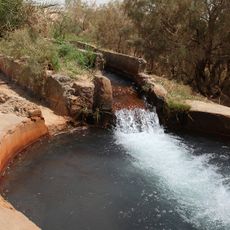
The plan involves bringing seawater through a canal or tunnel into the depression, where it would fall through turbines to produce power, and then slowly evaporate in the desert heat, leaving behind salt that could be mined over time.
During the Cold War, some planners even considered using nuclear explosions to help dig the canal faster, though concerns about radiation and seismic effects made this controversial idea less popular and it was eventually set aside.
The community of curious travelers
AroundUs brings together thousands of curated places, local tips, and hidden gems, enriched daily by 60,000 contributors worldwide.