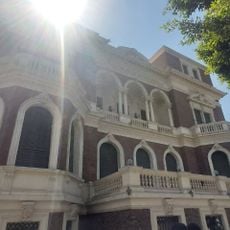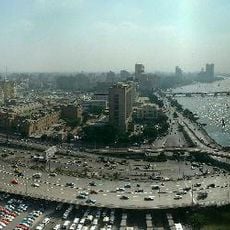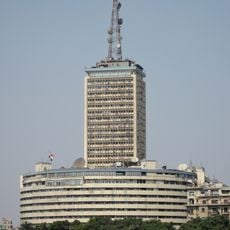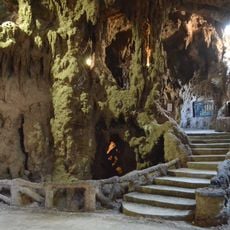
Boulaq Museum, First national antiquities museum in Bulaq, Egypt
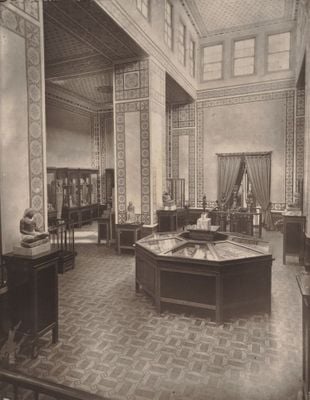
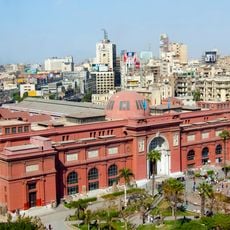
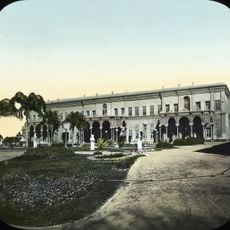
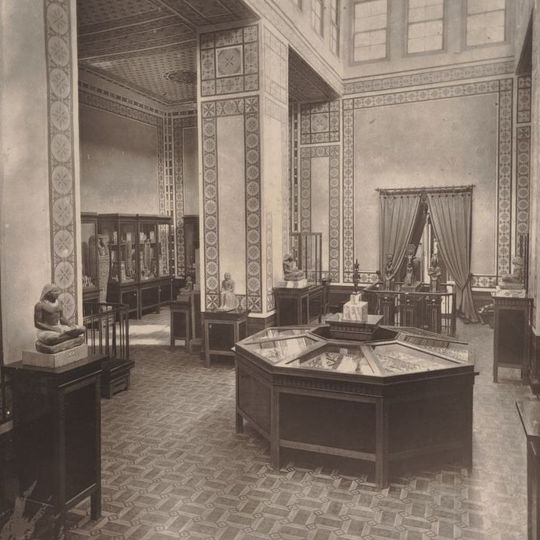
The Boulaq Museum was a large structure on the Nile River's banks that held numerous artifacts and discoveries from ancient Egypt. Its collections included pieces from excavation sites spread across the Egyptian landscape.
Auguste Mariette founded the museum in 1863 after conducting extensive excavations at Saqqara's Serapeum. These digs led to discoveries like Queen Ahhotep's treasures, which sparked the Khedive's interest in creating an antiquities collection.
The museum became a place where Egyptians could see their ancient treasures brought together in one location for the first time. It marked the start of a new awareness about caring for and recognizing pharaonic heritage as a shared legacy.
The building sat directly on the Nile, making it easily accessible but vulnerable to flooding. After severe damage in 1878, the collections were moved and the museum eventually closed.
A sarcophagus filled with jewels and weapons was among the first objects that caught the authorities' attention and showed the need for an institutional collection. This single piece played a key role in convincing the Khedive to create a systematic preservation program.
The community of curious travelers
AroundUs brings together thousands of curated places, local tips, and hidden gems, enriched daily by 92,840 contributors worldwide.