Pulpí, municipality of Spain
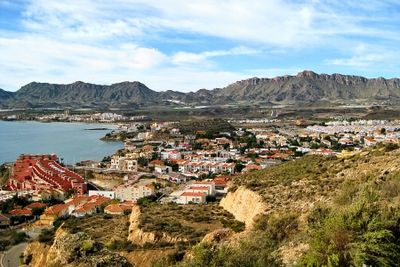
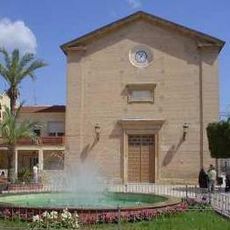
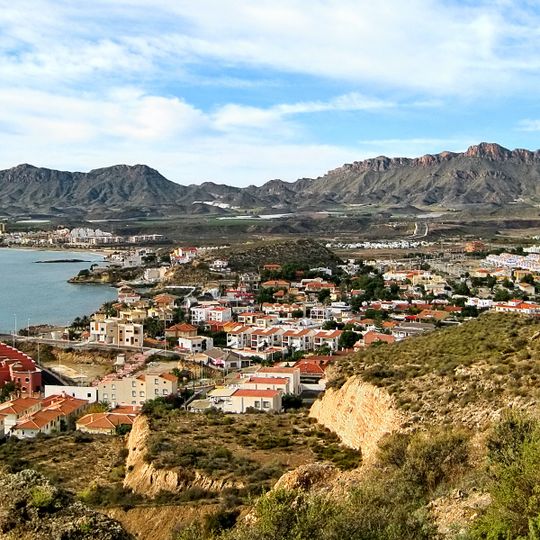
Pulpí is a small town in Almería province in southeastern Spain, situated on a gentle hillside at roughly 200 meters elevation with whitewashed houses and tiled roofs connected by narrow lanes. The center revolves around a main square where shops, cafés, and local businesses serve the community of about eleven thousand residents.
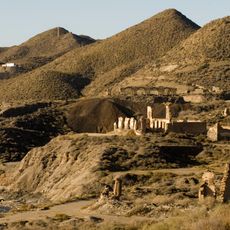
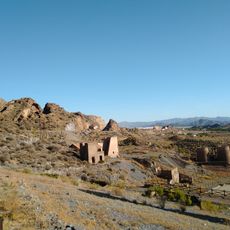
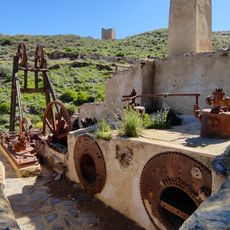
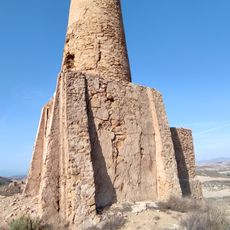
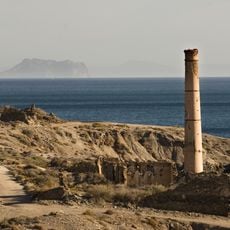
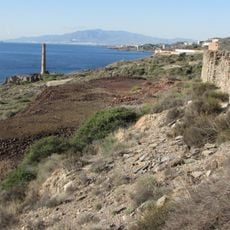
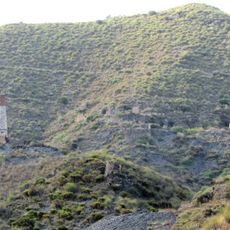
Pulpí developed as an agricultural settlement and small trading community, with evidence of this history visible in its traditional architecture and street layout. The discovery of a large geode in a nearby former mine revealed the region's mining past and later transformed it into a site of geological significance.
Pulpí is known to locals as a place where community life centers on the main square and local markets, where residents gather daily for conversation and to purchase fresh produce. The town maintains its traditions through family customs passed down over generations, and festivals celebrate music, local food, and customs that define the identity of the people living here.
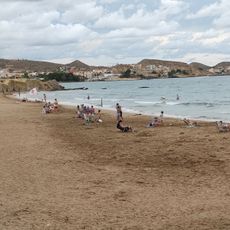
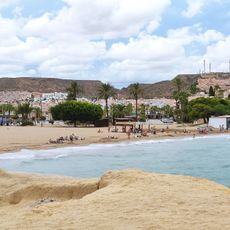
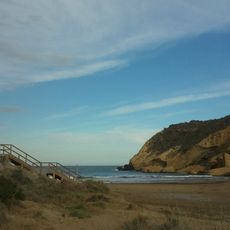
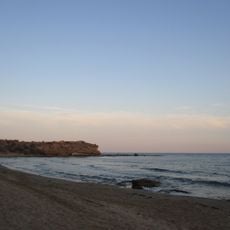
The town is easily accessible by car from Almería, about one hour and fifteen minutes away, with accommodation ranging from rustic houses to modern villas with sea views. Most attractions including beaches, walking trails, and the geode museum are within walking distance or a short drive from the main area.
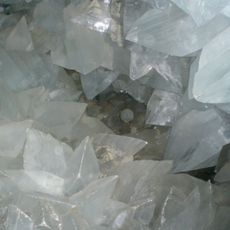
The town is home to the Pulpí Geode, the world's largest geode found in a former mine and made accessible to visitors, featuring an underground chamber filled with transparent gypsum crystals. The cave has been enhanced with ultraviolet lighting that makes the natural minerals glow, creating a remarkable display of geological beauty.
The community of curious travelers
AroundUs brings together thousands of curated places, local tips, and hidden gems, enriched daily by 92,173 contributors worldwide.