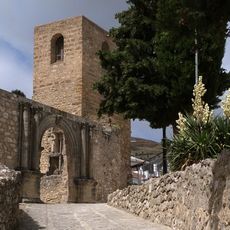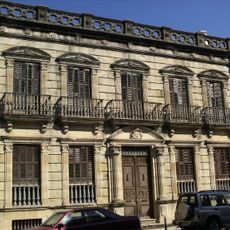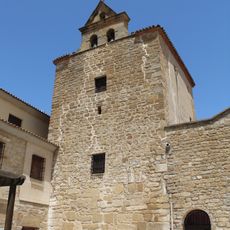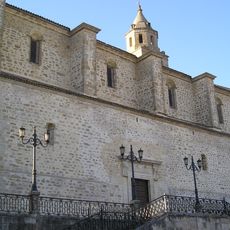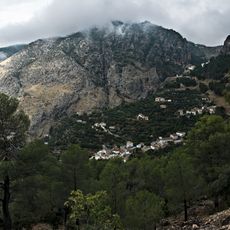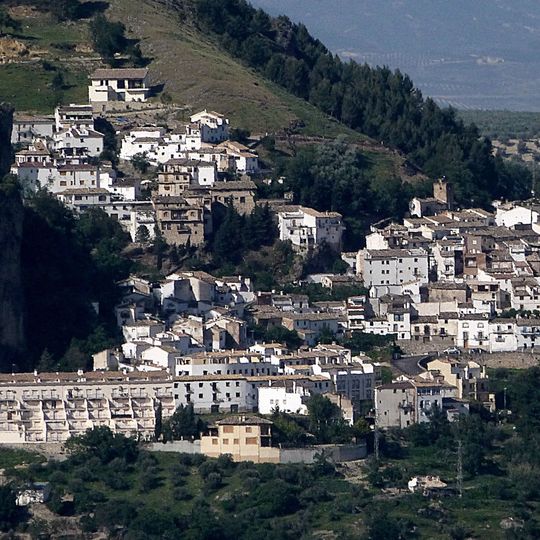
La Iruela, Mountain municipality in Sierra de Cazorla, Spain.
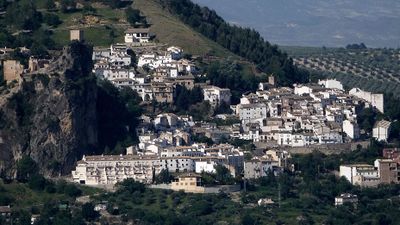
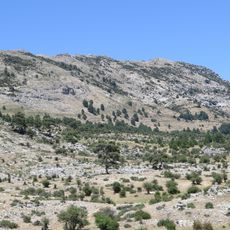
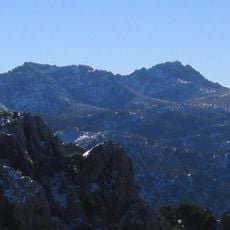
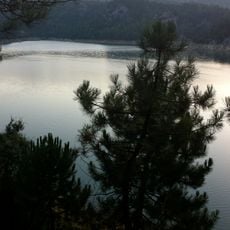
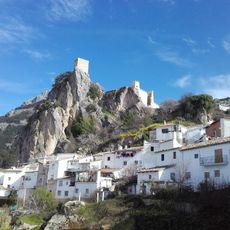
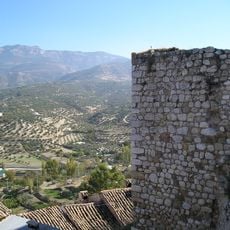
La Iruela is a municipality in the Sierra de Cazorla mountain range, situated at 954 meters above sea level. The settlement overlooks pine forests and ridges within Spain's largest natural park.
The area holds evidence of settlements from the Copper Age dating to the third millennium BC. Bronze Age communities later developed important centers in this mountain region.
The settlement carries traces of local customs visible in the food people prepare and how they tend their land. These traditions shape daily life in the mountain community and connect residents to their mountain heritage.
The town is reached from Jaén by taking the road through Mancha Real and Cazorla, a journey of roughly 96 kilometers. The mountain roads are generally navigable but do require careful driving.
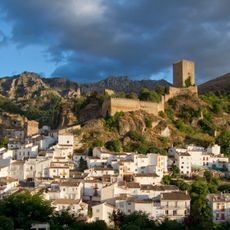
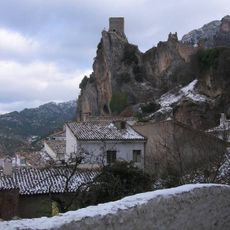
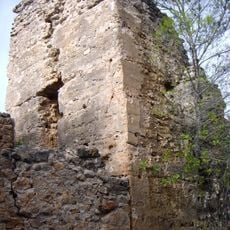
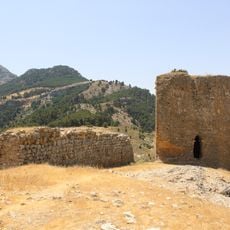
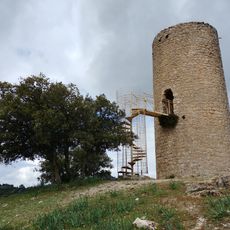
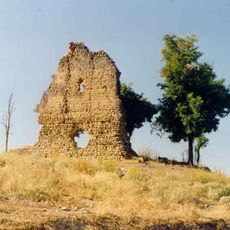
Fortress towers dating to the 11th century stand at the gateway to Spain's largest nature reserve. These ancient towers mark where the protected wilderness begins and once guarded the mountain passages.
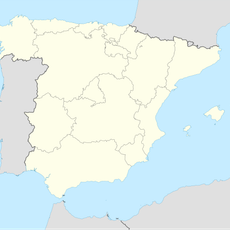
Location: Jaén Province
Capital city: La Iruela
Elevation above the sea: 954 m
Part of: Qezay Noteriya Cazorla, Sierra de Cazorla
Shares border with: Chilluévar, Santo Tomé, Santiago-Pontones, Cazorla
Website: http://lairuela.es
GPS coordinates: 37.92035,-2.99414
Latest update: December 6, 2025 16:04
Andalusia offers many sites away from typical tourist routes. This southern region of Spain is home to ancient troglodyte dwellings in Guadix, mountain villages like Zahara de la Sierra perched around medieval castles, and natural parks such as Cabo de Gata-Níjar extending over 50 kilometers of coast. Geological formations include the red volcanic rocks of Riotinto, a result of 5,000 years of mining, and canyons housing 240 Bronze Age dolmens in Gorafe park. Villages like Setenil de las Bodegas feature unique architecture, with houses built beneath natural rock overhangs shaped by the Trejo River. The Castle of La Calahorra, built in 1509 at an altitude of 1200 meters, combines Spanish fortifications with Italian Renaissance decoration. Further north, Baños de la Encina hosts the Burgalimar Castle dating from 968, surrounded by extensive olive groves. These sites showcase different facets of Andalusian heritage, from prehistoric remains to Moorish inscriptions, in environments ranging from mountains to Mediterranean coastal zones.
Castillo de la Yedra
1.5 km
Castillo La Iruela
382 m
Iglesia de Santa Maria, Cazorla
1.4 km
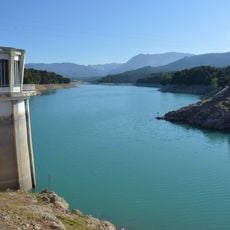
Embalse de La Bolera
18 km
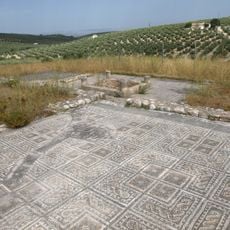
Villa romana del Bruñel
8.4 km
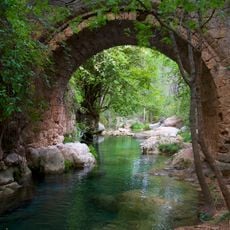
Puente de las Herrerías
5.3 km
Las Banderillas
21.2 km
Castillo de Bujaraiza
26 km
Pico Cabañas
12.6 km
Embalse del Aguascebas
14.3 km
Castillo de las Cinco Esquinas
2.4 km
Aparcamieto en Castillo de la Yedra
1.6 km
El Portillo Reservoir
22.1 km
Torre Castellón de Fique
15.2 km
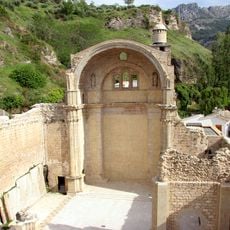
Ruinas de la Iglesia de Santo Domingo
323 m
Casa Palacio de la calle Ministro Benavides (Villacarrillo)
23.3 km
Torre del Campanario de la Iglesia
15.3 km
Iglesia de la Asunción de Nuestra Señora (Villacarrillo)
23.2 km
Castillo de Nubla
5.8 km
Muralla urbana
10.4 km
Iglesia de San Pedro y San Pablo
10.4 km
Torcas de Cueva Humosa
25.3 km
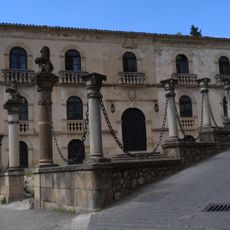
Palacio de las Cadenas
1.1 km
Biblioteca Pública Municipal de Villacarrillo - Francisco Tudela
23.1 km
Plaza de toros de Villacarrillo
23.3 km
Central Hidroeléctrica Cerrada del Utrero
6.1 km
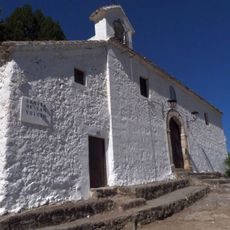
Ermita de San Isicio
1.8 km
Paisaje del nacimiento del Guadalquivir
9.2 kmReviews
Visited this place? Tap the stars to rate it and share your experience / photos with the community! Try now! You can cancel it anytime.
Discover hidden gems everywhere you go!
From secret cafés to breathtaking viewpoints, skip the crowded tourist spots and find places that match your style. Our app makes it easy with voice search, smart filtering, route optimization, and insider tips from travelers worldwide. Download now for the complete mobile experience.
A unique approach to discovering new places❞
— Le Figaro
All the places worth exploring❞
— France Info
A tailor-made excursion in just a few clicks❞
— 20 Minutes