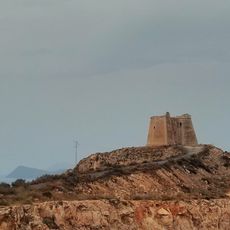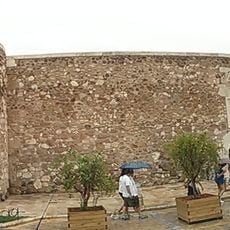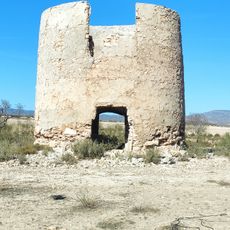
Agua Amarga, human settlement in Almería Province, Andalusia, Spain
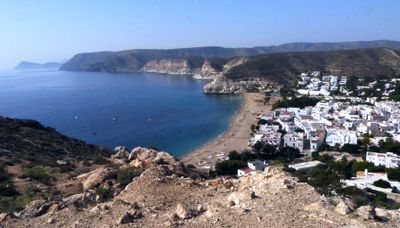
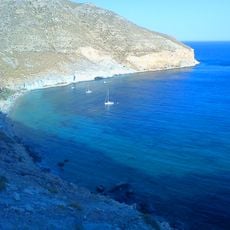
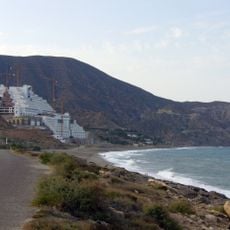
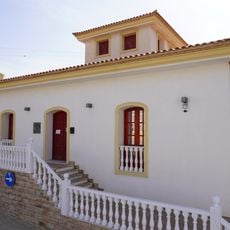
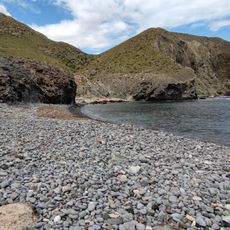
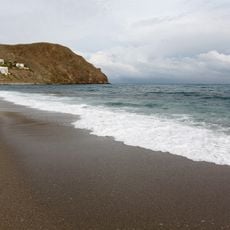
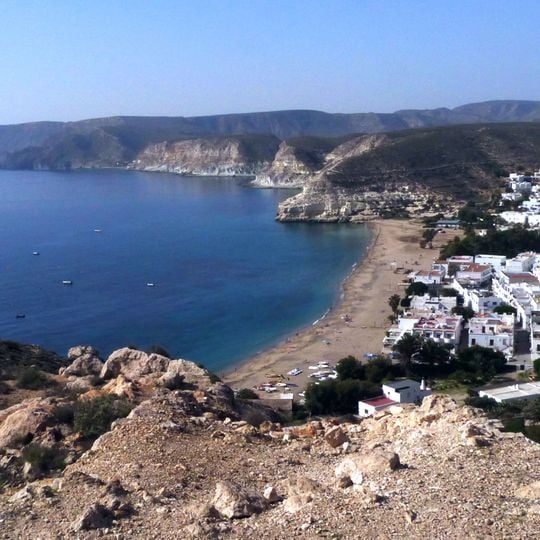
Agua Amarga is a small coastal village in Níjar with white houses lining narrow streets that create a quiet setting. The settlement sits at the edge of Cabo de Gata National Park, with direct access to a beach stretching about 550 meters and surrounded by rocky coves.
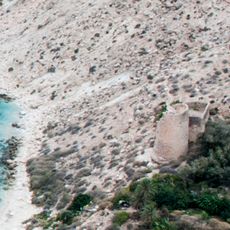
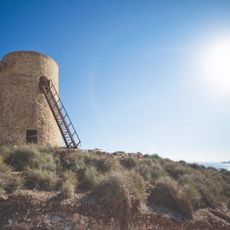
The area served as an important port during the Nasrid kingdom period and was used by Muslims, with pirates seeking shelter along the coast for their vessels. In the 1700s, defense fortifications were planned, and in 1894 a pier was built to transport minerals from nearby mines to the sea, until the associated railway shut down in the 1940s.
The name Agua Amarga comes from Arabic and means "place of water", reflecting the village's deep connection to the sea. Visitors and residents spend their days by the shore or in quiet streets, following a slow pace where time seems to move differently than elsewhere.
The location is reached via the AL-5106 road from Carboneras, and visitors can park their cars in designated areas, including spaces for campers and caravans. During summer, vehicle traffic is restricted on streets and squares to keep the area safe for walkers, making exploration on foot the best way to see everything.
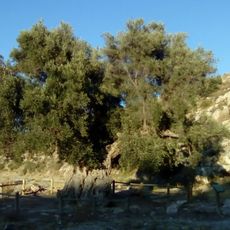
The area is home to an ancient olive tree called the Virgin's olive, believed to be between 1500 and 2000 years old with a massive trunk that provides shade to visitors. This remarkably old tree is among the oldest in the region and stands as a fascinating testament to the area's deep past.
The community of curious travelers
AroundUs brings together thousands of curated places, local tips, and hidden gems, enriched daily by 92,707 contributors worldwide.