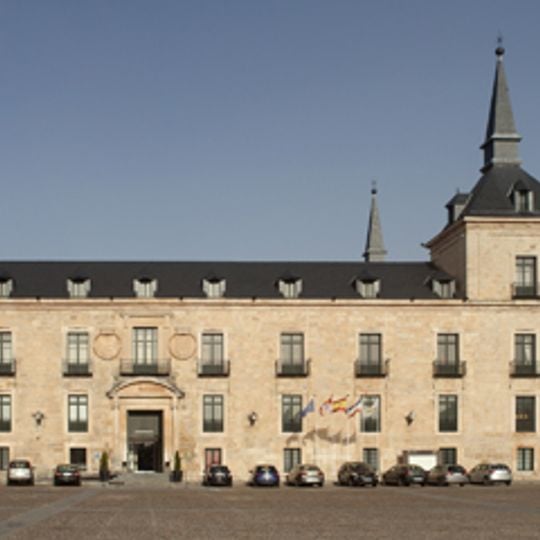
Lerma Ducal Palace, 17th century Herrerian palace in Lerma, Spain
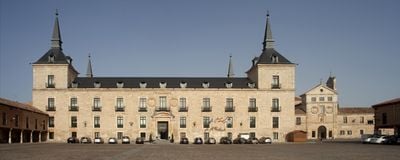
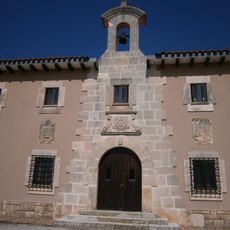
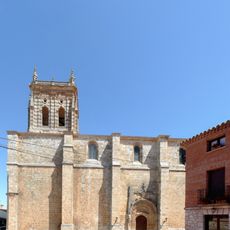
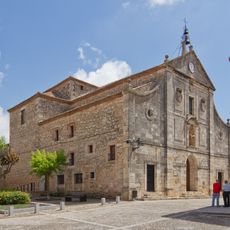
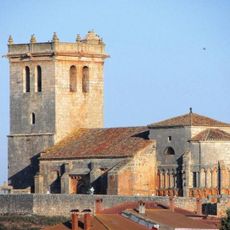
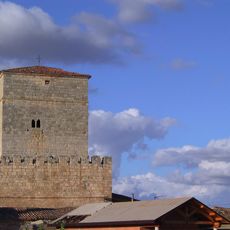
The Lerma Ducal Palace is a 17th-century Herrerian building with a rectangular footprint, four corner towers, and symmetrical forms that convey stability and order. The facade displays regularly spaced stone-framed windows and balconies arranged across each level.
The palace was commissioned in 1601 by the Duke of Lerma, an influential minister to King Philip III, and designed by architects Francisco de Mora and Alberto de la Madre de Dios. Its construction was part of a larger plan to reshape the city as a symbol of ducal power.
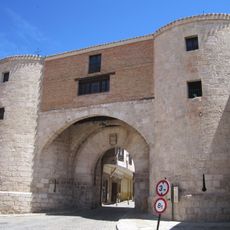
The palace shows how Spanish nobility expressed power through architecture: with its granite columns, round arches, and continuous frieze on the second level, it embodies the taste of the ruling class of that era. Visitors can still see the carefully designed details that reflected the family's sense of importance.
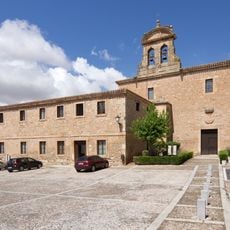
The building now operates as part of the Paradores hotel network, with guest rooms that preserve original architectural elements from the 17th century. Access may be limited if you are not staying as a hotel guest.
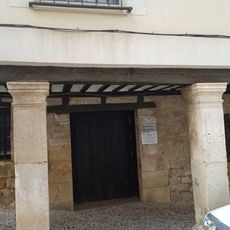
The palace entrance features a large walnut door decorated with 520 bronze nails and displaying the coats of arms of the house of Sandoval y Rojas. This crafted detail reveals the skill and wealth invested in every element of the entryway.
The community of curious travelers
AroundUs brings together thousands of curated places, local tips, and hidden gems, enriched daily by 60,000 contributors worldwide.