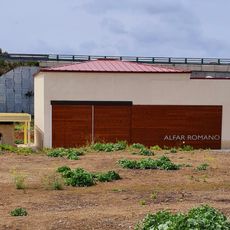
Villa romana de Fuente Álamo, Roman villa archaeological site in Puente Genil, Spain.
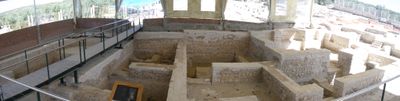
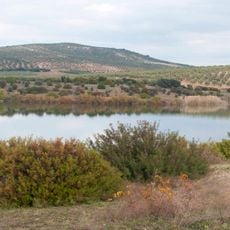
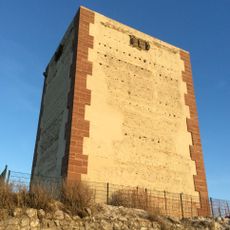
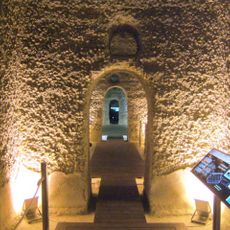
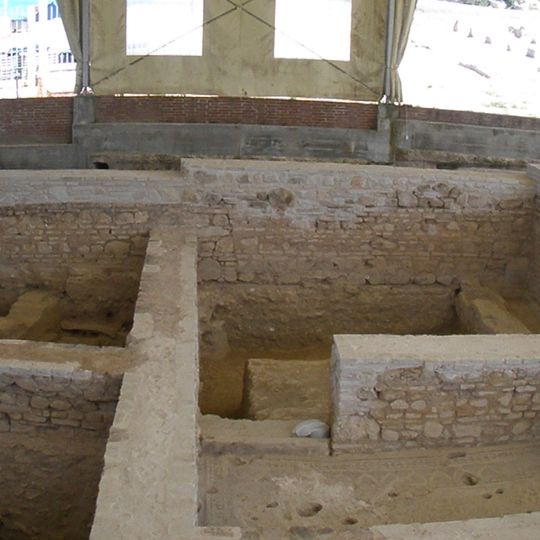
This Roman villa is an archaeological site with excavated residential chambers, thermal baths, and storage warehouses. A 38-meter gallery connects these rooms along the Fuente Álamo stream and reveals how the wealthy organized their living complexes.
This complex was first built in the third century and remained occupied until the sixth century. It reached its peak during the late fourth and early fifth centuries when such estates were thriving across the region.
The mosaics in the tetraconque hall depict the Nile river god, Bacchus in celebration, and the Three Graces as part of the visual language of the home. These artworks show how the residents decorated their living spaces and what scenes held meaning for them.
The site sits about 3 kilometers from Puente Genil's center and visitors can explore it on guided tours. Audio narration explains the Roman residential buildings and how people moved through the complex.
The mosaics stand out because their characters appear to be speaking or interacting with one another, a feature quite different from other Roman artworks found across the Mediterranean. This storytelling approach in mosaic design is something visitors rarely encounter elsewhere.
The community of curious travelers
AroundUs brings together thousands of curated places, local tips, and hidden gems, enriched daily by 92,222 contributors worldwide.