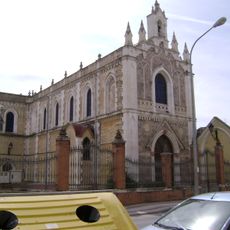
Castle of Aguilar de la Frontera, Castle in Aguilar de la Frontera, Córdoba, Spain
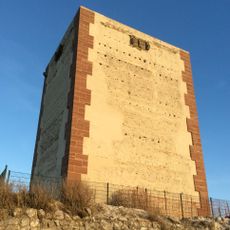
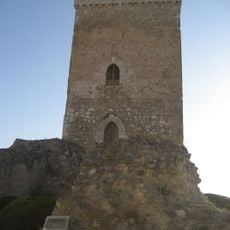
The Castle of Aguilar de la Frontera, also called Poley or Pontón, is a medieval fortress of which only ruins remain: a tower, stretches of wall, a moat and a small amphitheatre. Its walls, gates and towers were fortified in 1356 by Martín López de Córdoba, master of the Order of Calatrava. The circular Torre de la Cadena, named for the chains carved on it, was brought down by the Lisbon earthquake of 1755.
The castle is first documented in the 9th century, when it lay within the area controlled by the rebel Umar ibn Hafsun; on 16 April 891 his forces were defeated at the Battle of Poley by troops of Emir Abd Allah I. It belonged to the kora of Cabra until Fernando III took it in 1240. In 1352 Alfonso Fernández Coronel rebelled against Pedro I, who retook the castle a year later and had the rebel's sculpted eagles removed. Martín López de Córdoba, master of the Order of Calatrava, strengthened it with walls, gates and towers from 1356.
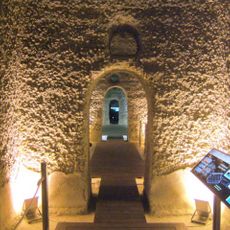
The castle's name comes from the Arab Bulay or Poley, the name of the fortress that stood here during the revolt of Umar ibn Hafsun. The site is now a protected monument, and since 2010 an interpretation centre inside the enclosure explains both the castle and the town's history.
Contact the local tourism office in Aguilar de la Frontera before your visit to get current access information and learn about available options. The staff can help arrange guided visits and explain the best routes to reach the site.
The red marble from the castle's parade ground was quarried away in the mid-19th century, when the corregidor Juan Vila Cordón authorised demolition and reused the stones for municipal paving, private houses and the Córdoba–Málaga railway line.
The community of curious travelers
AroundUs brings together thousands of curated places, local tips, and hidden gems, enriched daily by 94,718 contributors worldwide.