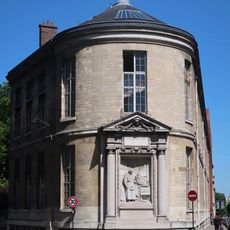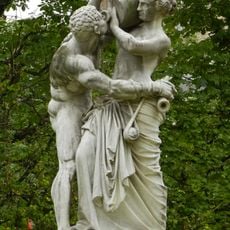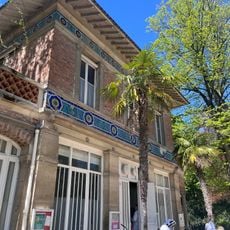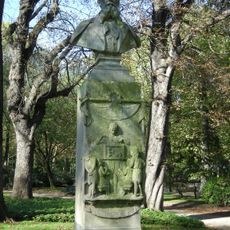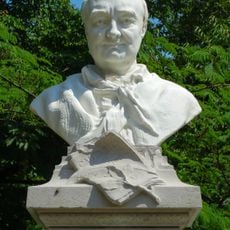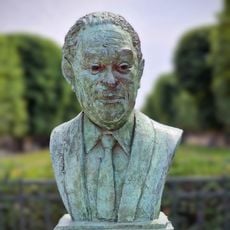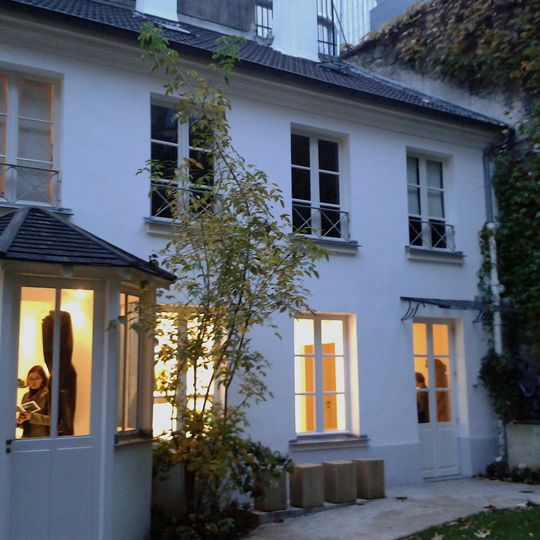
Musée Zadkine, Art museum in 6th arrondissement, Paris, France
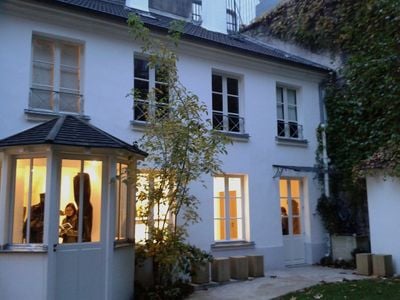
The Musée Zadkine displays around three hundred sculptures, drawings, photographs, and tapestries in a former house and workshop beside the Luxembourg Gardens. The space preserves the studio where the artist worked, along with galleries showing his different periods of creation.
Ossip Zadkine, a sculptor of Russian origin, settled in this neighborhood and created his body of work between the world wars and beyond. His wife Valentine Prax donated the house and workshop to the city of Paris, creating what is now the museum.
The sculptor Ossip Zadkine created here for many years, and his studio still reflects how he worked and thought about form. His works remain connected to the neighborhood where artists have lived and worked, showing how his practice fit into the artistic life of this part of Paris.
The museum sits in a quiet part of the sixth arrondissement and is easy to reach on foot or by metro. Visitors should know that the garden and indoor galleries may have different schedules, and it is worth checking before visiting.
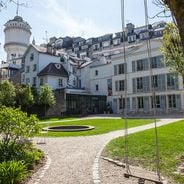
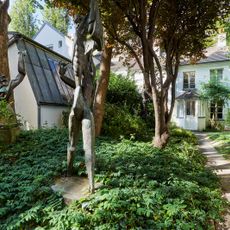
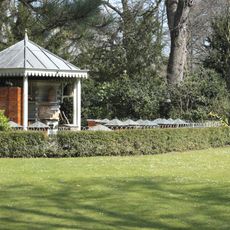
The garden of the museum is free to visit and features bronze sculptures set among trees and grass, something many visitors miss. This outdoor space offers a rare chance to see the artist's larger works in nature rather than inside galleries.
Location: 6th arrondissement of Paris
Inception: 1982
Founders: Valentine Prax
Accessibility: Wheelchair inaccessible
Part of: Paris Musées
Address: 100 bis, rue d'Assas, 75006 Paris, France
Opening Hours: Tuesday-Sunday 10:00-18:00
Phone: +33143269190
Email: musee.zadkine@paris.fr
Website: http://zadkine.paris.fr
GPS coordinates: 48.84306,2.33417
Latest update: December 6, 2025 17:40
Paris offers numerous museums away from major tourist crowds, presenting specialized collections. These institutions focus on diverse subjects including Asian art, mineralogy, historical urban planning, and contemporary photography. The exhibitions provide detailed insights into specific fields and historical developments. Visitors find space for focused observation without crowded halls. Collections range from archaeological finds to technical models and artistic works from various periods. These museums complement the city's cultural offerings through their thematic diversity and scholarly approach. They provide opportunities to explore specific areas of interest and discover lesser covered aspects of the Parisian cultural landscape.
Paris has many themed museums that go beyond the usual tourist circuits. The underground sewer system has been open for visits since the 19th century, allowing visitors to see the technical installations that revolutionized urban hygiene. The fan museum houses over 2,500 pieces from the Renaissance to today, explaining traditional manufacturing techniques. The counterfeiting museum compares authentic products with copies to highlight issues of intellectual property. The Parisian collections cover a variety of fields: Asian art at the Guimet Museum with 45,000 objects from the Neolithic to the 20th century, African and Oceanian cultures at Quai Branly, fairground artifacts from the 19th century at Arts Forains, old automata and magic devices from past centuries. The Museum of Hunting and Nature is housed in a 17th-century townhouse and combines antique weapons with modern designs. These institutions offer unique insights into the social, technical, and artistic history of Paris.
This cultural route, highly diverse, explores Paris beyond its usual landmarks, revealing a city of art collections, green spaces, and varied architecture. The itinerary includes the Musée Marmottan Monet, which houses more than 300 paintings by the artist, squares like Parc Monceau with its columns and 18th-century pavilions, and urban ensembles such as Place des Vosges, completed in 1612 under Henri IV. The circuit also passes through Île Saint-Louis, where mansions line the quays since the 17th century, and crosses the Marais district, with its narrow streets filled with galleries and museums inside historic aristocratic houses. The route extends to the Fondation Louis Vuitton in the Bois de Boulogne, a glass and steel building designed by Frank Gehry, opened in 2014. Other stops include lesser-visited spots such as Coulée verte René-Dumont, a 4.7 km planted promenade on an old railway, and Parc de Bercy with its three themed gardens. This circuit allows visitors to see different facets of Paris, from the catacombs under the 14th arrondissement to the colorful facades of rue Crémieux, from the flower market on Île de la Cité to César's large-scale sculpture in La Défense.
École Nationale de la France d'Outre-Mer
210 m
Institut d'art et d'archéologie
166 m
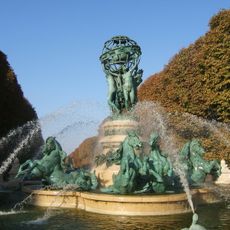
Fontaine de l'Observatoire
293 m
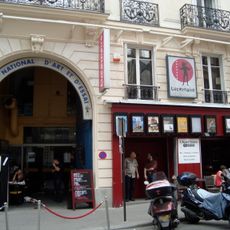
Lucernaire
305 m
Jardin des grands explorateurs : Marco Polo et Cavelier-de-la-Salle
227 m
26 rue Vavin
325 m
Musée Moissan
160 m
Esplanade Gaston-Monnerville
287 m
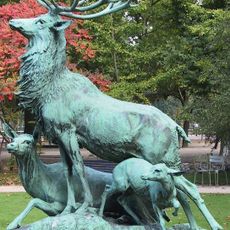
La Harde des cerfs
257 m
Zadkine Museum
13 m
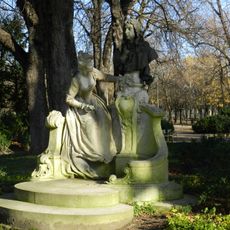
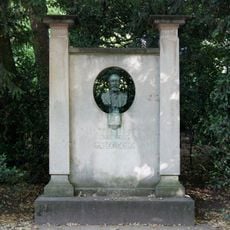
Monument à Watteau
238 m
Monument au professeur Tarnier
255 m
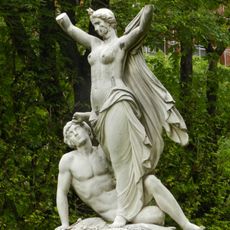
Night
233 m
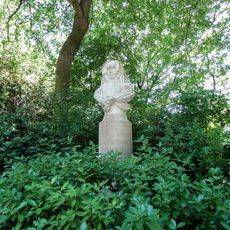
José-Maria de Heredia
241 m
Dawn
259 m
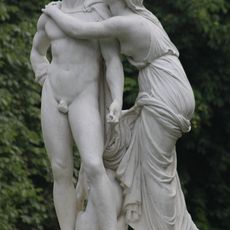
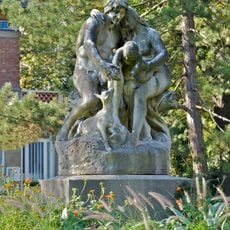
Joies de la famille
228 m
Le Lion de Nubie et sa proie
258 m
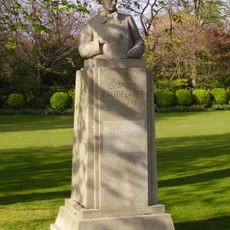
Charles Baudelaire
169 m
Pavillon Davioud
245 m
Day
220 m
Ferdinand Fabre
207 m
Twilight
202 m
Sainte-Beuve
199 m
Pierre Mendès France
264 m
Louis Ratisbonne
244 m
École nationale d'administration
180 m
7 rue Auguste-Comte
287 m
Reviews
Visited this place? Tap the stars to rate it and share your experience / photos with the community! Try now! You can cancel it anytime.
Discover hidden gems everywhere you go!
From secret cafés to breathtaking viewpoints, skip the crowded tourist spots and find places that match your style. Our app makes it easy with voice search, smart filtering, route optimization, and insider tips from travelers worldwide. Download now for the complete mobile experience.
A unique approach to discovering new places❞
— Le Figaro
All the places worth exploring❞
— France Info
A tailor-made excursion in just a few clicks❞
— 20 Minutes