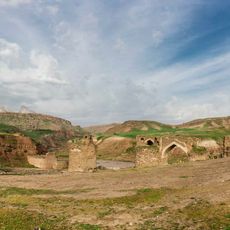
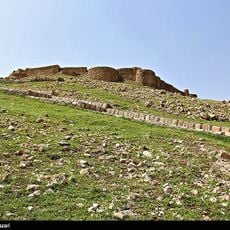
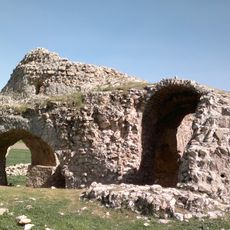
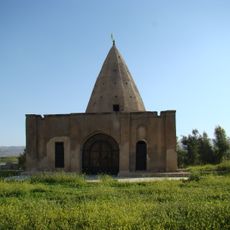
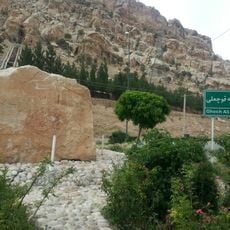
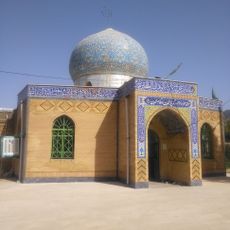
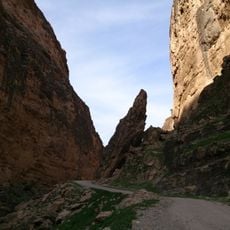
Chogha Golan, Archaeological site in Ilam Province, Iran.
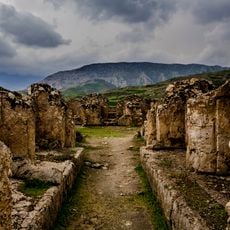
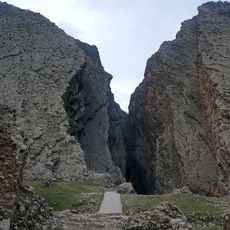
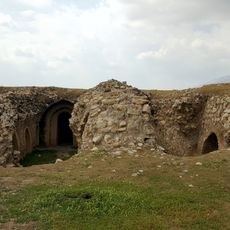
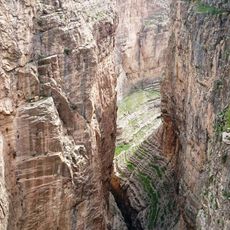
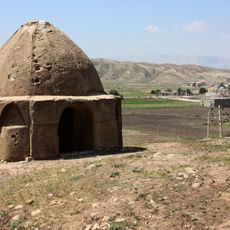
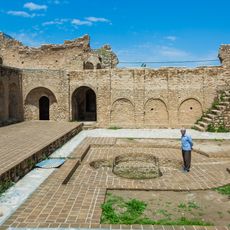
Chogha Golan is an archaeological excavation site in Iran's Ilam Province with multiple stratified cultural layers. The site extends 8 meters deep and reveals eleven distinct archaeological horizons containing various stone tools and other artifacts from ancient times.
Excavations in 2009 and 2010 uncovered settlement remains dating back approximately 11,500 years. These discoveries represent some of the earliest evidence for plant cultivation in western Iran.
The ground stone tools such as mortars, pestles, and grinding slabs reveal how people prepared plant foods thousands of years ago. These objects tell of the daily work and practical knowledge of early communities in this region.
The site is located about 30 kilometers north of Mehran near the Konjan Cham River in the region. Visiting generally requires participating in guided archaeological tours and obtaining the necessary permits.
Excavations recovered more than 100,000 preserved botanical remains, including the oldest known specimens of cultivated emmer wheat. These plant finds date to roughly 9,800 years ago and mark a turning point in how people began producing their own food.
The community of curious travelers
AroundUs brings together thousands of curated places, local tips, and hidden gems, enriched daily by 90,895 contributors worldwide.