Friuli, Historical region in northeastern Italy
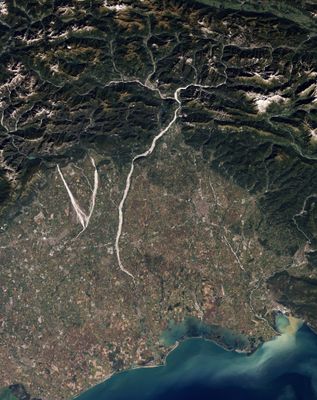
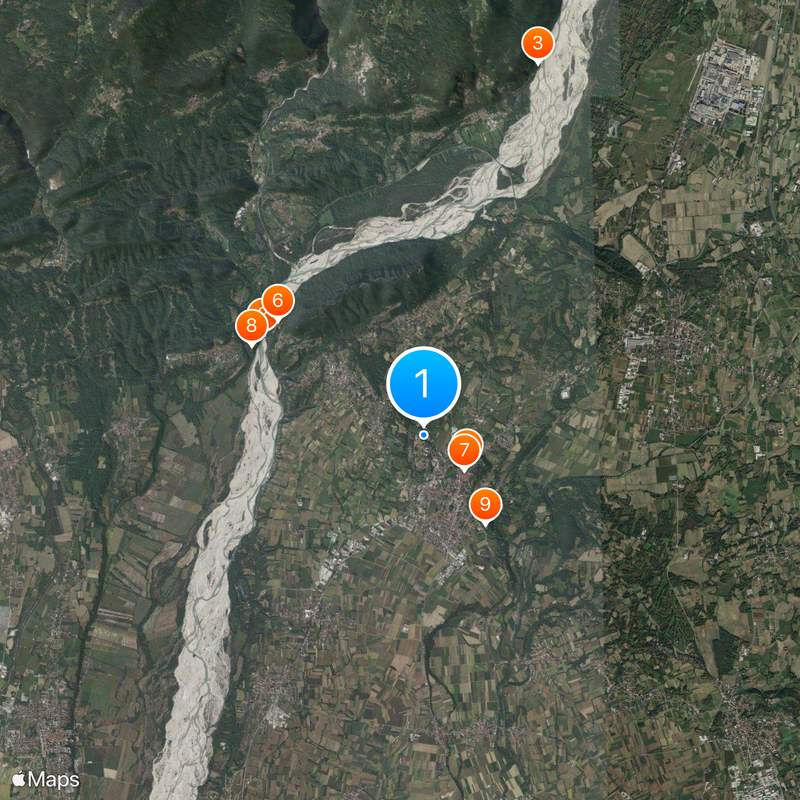
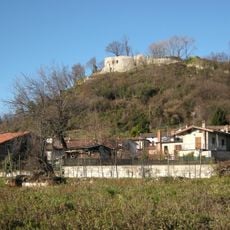
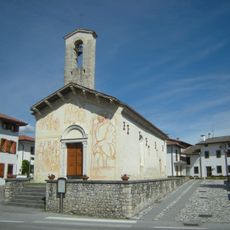
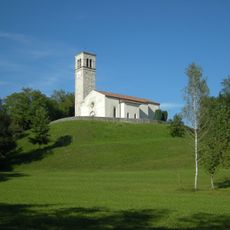
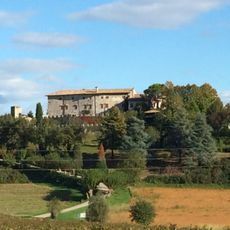
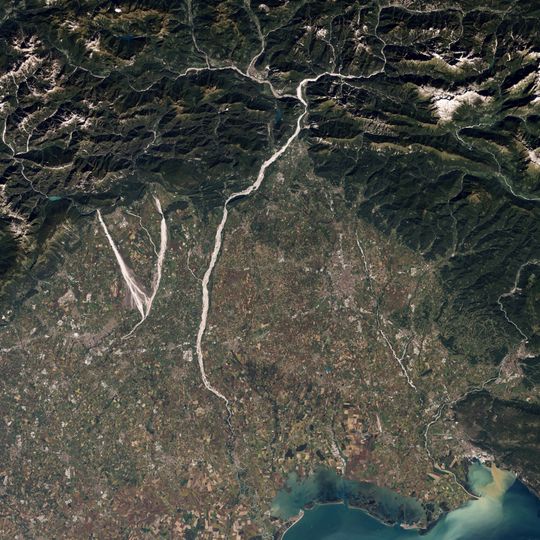
Friuli is a historical region in northeastern Italy that stretches from the Carnic Alps in the north to the Adriatic Sea in the south, taking in the valley of the Tagliamento. The territory includes gentle hills planted with vineyards, broad river plains and narrow valleys that open toward mountain ridges.
The area rose to importance during Roman times through the founding of Aquileia, which became a major political and economic center. In the Middle Ages, borders shifted often as local noble families and Venice competed for control of trade routes.
The Friulian language is often heard in daily conversation, especially in smaller towns and at markets, where older generations prefer to speak it. This living form of expression shapes local festivals, songs and even street signs, allowing visitors to notice the community's sense of independence directly.
The area lends itself well to longer stays, as coastal towns, vineyards and mountain valleys can all be reached within a short drive. Roads through the hills can be narrow and winding, so careful driving is recommended in rain or fog.
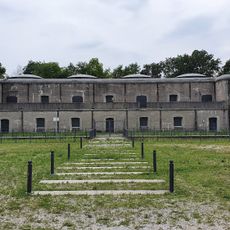
Palmanova, a fortress town with a nine-pointed star layout, offers one of the best preserved examples of Renaissance military architecture and urban planning in Europe. The geometric design was drawn up by Venetian engineers in the late 16th century to protect the borders against invasion.
The community of curious travelers
AroundUs brings together thousands of curated places, local tips, and hidden gems, enriched daily by 92,890 contributors worldwide.