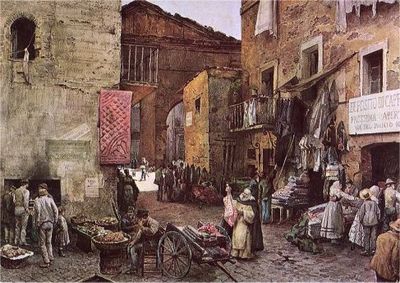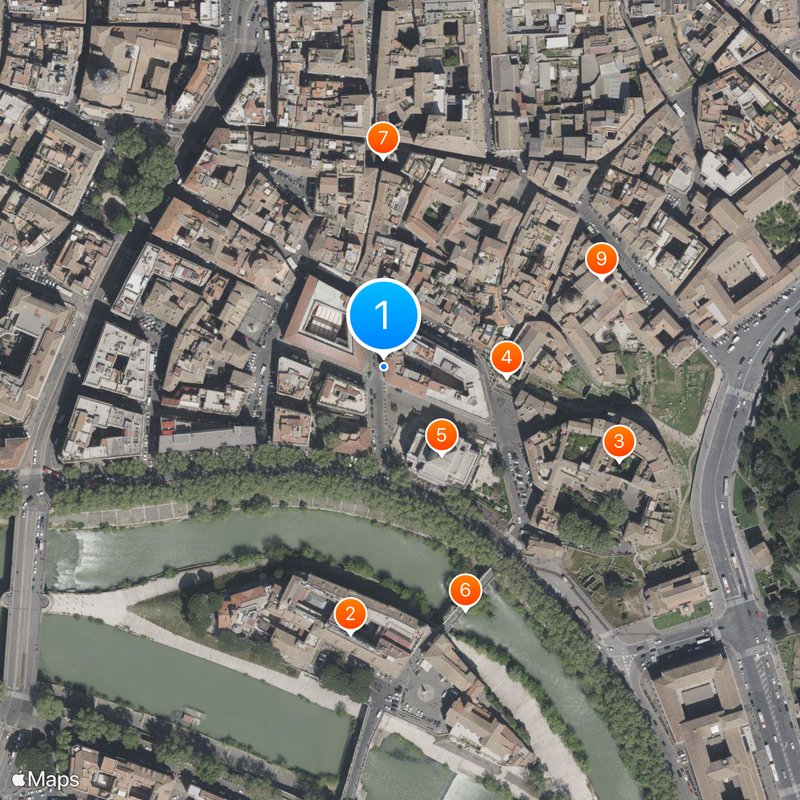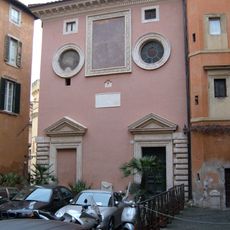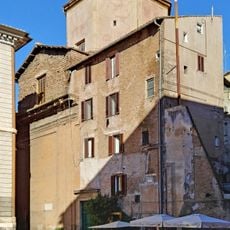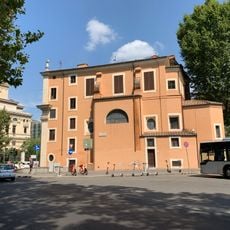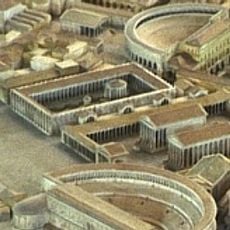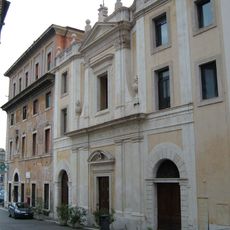
Roman Ghetto, Jewish quarter in Sant'Angelo district, Rome, Italy.
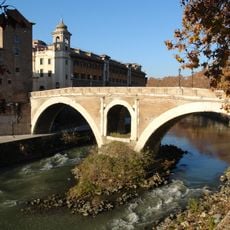
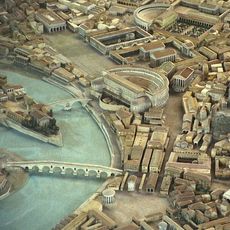
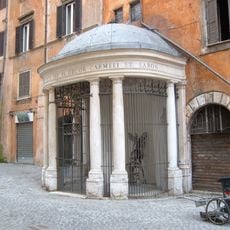
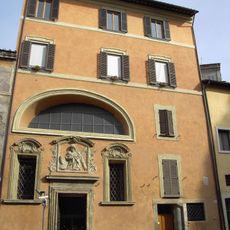
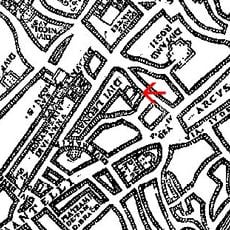
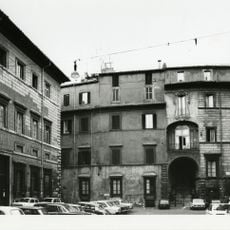
The Roman Ghetto is a Jewish quarter in the Sant'Angelo district of Rome, covering roughly three hectares (7.4 acres) along the Tiber riverbank. This area contains a network of narrow lanes lined with tall apartment buildings, synagogues, and small shops clustered around a few open squares.
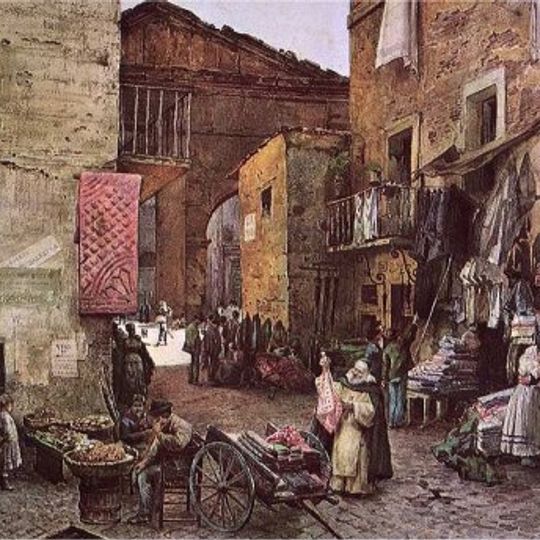
Pope Paul IV ordered the establishment of this enclosed district in 1555, forcing Rome's Jewish population to live within its walls under severe restrictions. The gates and walls were finally torn down in 1870 when the Papal States ended and Italian troops entered Rome.
The name Ghetto comes from Venetian foundry terms and became a marker for centuries of separation, now replaced by open squares where locals meet and chat. In the bakeries along the side streets, families still buy ricotta cakes and almond biscuits made following recipes handed down through generations.
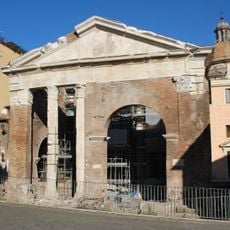
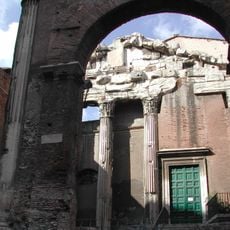
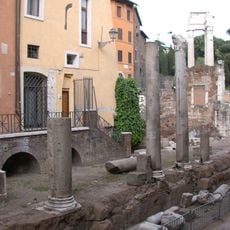
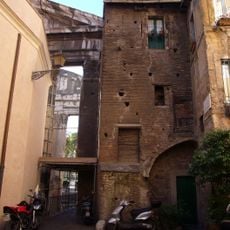
Via del Portico d'Ottavia forms the main artery through the center and is where most restaurants and shops are found. Walking the side lanes away from this street reveals quieter courtyards and small squares where fewer tourists pass through.
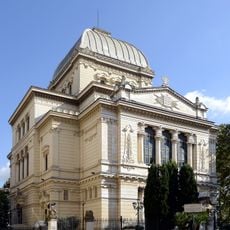
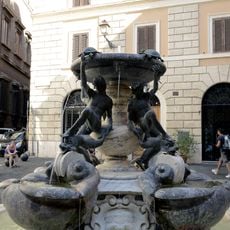
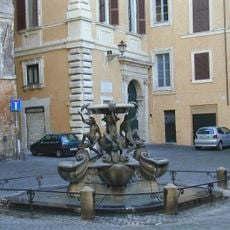
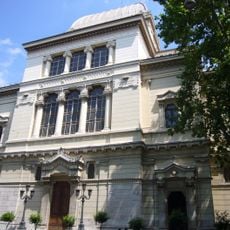
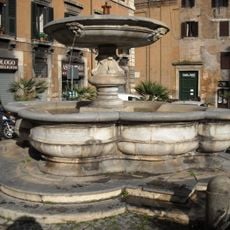
Below the Great Synagogue lies a museum holding embroidered fabrics, ritual objects, and manuscripts from centuries of Roman Jewish life. Many visitors overlook the Fountain of Turtles, a small fountain from the 1580s where four bronze turtles were added to the upper basin sometime later.
The community of curious travelers
AroundUs brings together thousands of curated places, local tips, and hidden gems, enriched daily by 92,999 contributors worldwide.