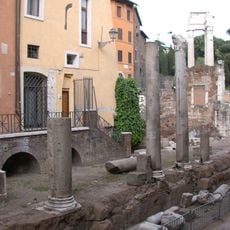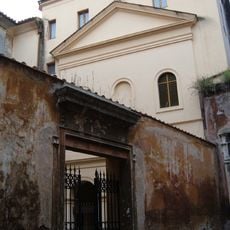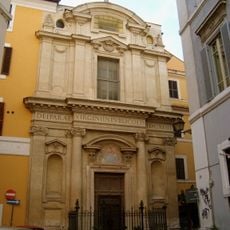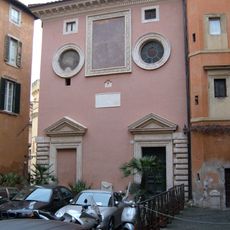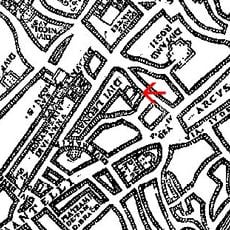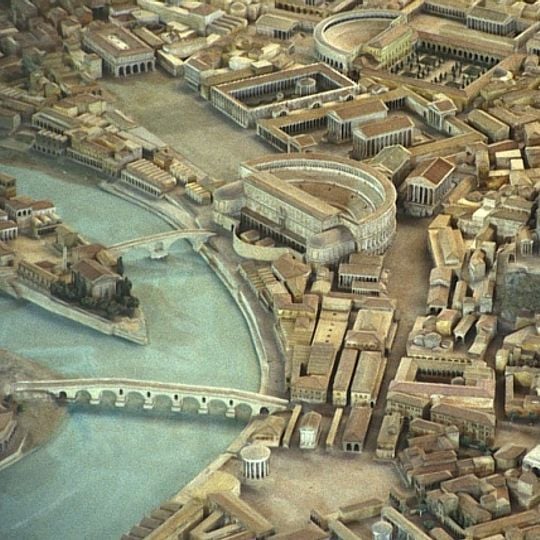
Circus Flaminius, Ancient circus and archaeological site in Campus Martius, Rome, Italy
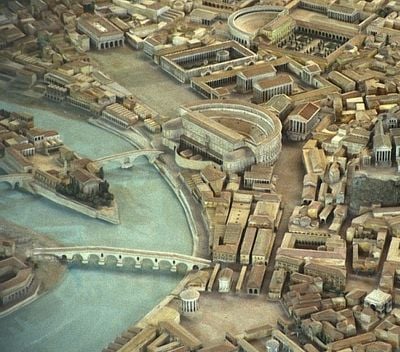
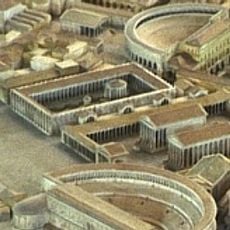
Circus Flaminius was an extended arena in the Campus Martius stretching about 260 meters long and 100 meters wide. The structure featured concrete construction with opus reticulatum walls and pillars made of tufa stone.
Gaius Flaminius Nepos established this circus in 221 BC as a space for chariot races and public spectacles. Later, the grounds became the core of Rome's administrative Region IX under Augustus.
The grounds hosted public games, markets, and assemblies where Romans gathered for celebrations and civic meetings. This role shows how central the space was to community life in the ancient city.
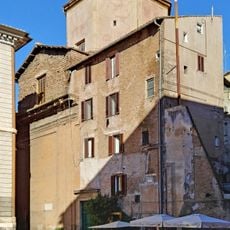
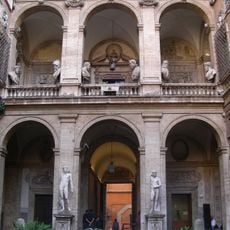
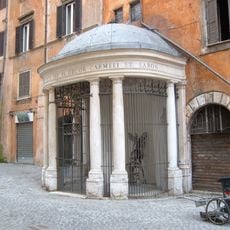
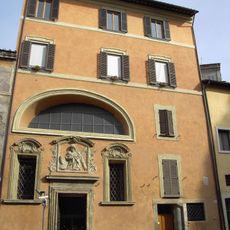
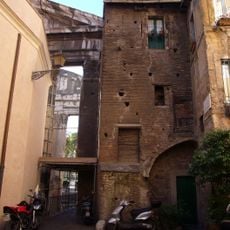
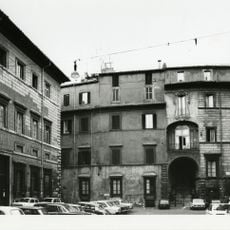
Remains of the circus lie hidden beneath modern buildings, including sections under the Palazzo Caetani near the Tiber River. To appreciate the site, visitors should review archaeological records to visualize the structure underground.
In 2 BC, the entire circus grounds were flooded to stage a spectacular event involving crocodiles. This remarkable occasion celebrated the completion of Augustus' new forum.
The community of curious travelers
AroundUs brings together thousands of curated places, local tips, and hidden gems, enriched daily by 91,519 contributors worldwide.