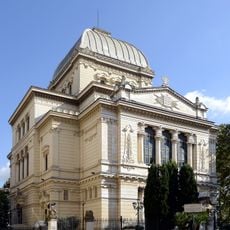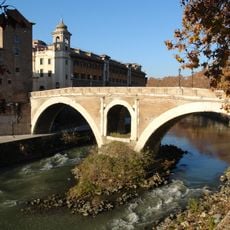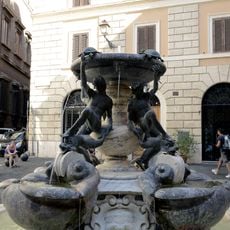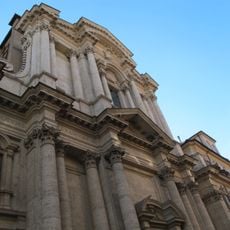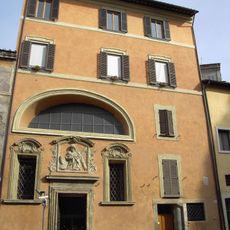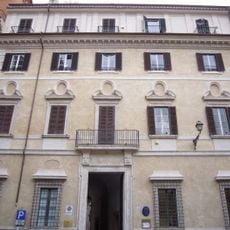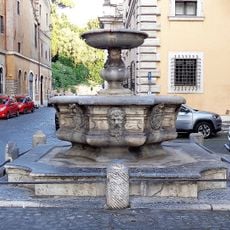
Porticus Octaviae, Archaeological site in Jewish Quarter, Rome, Italy
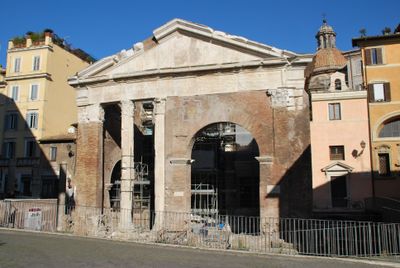
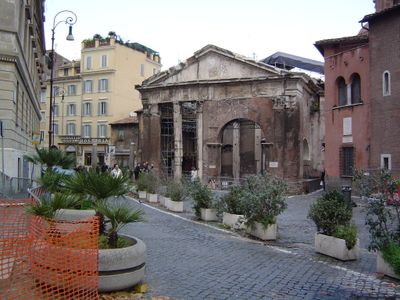
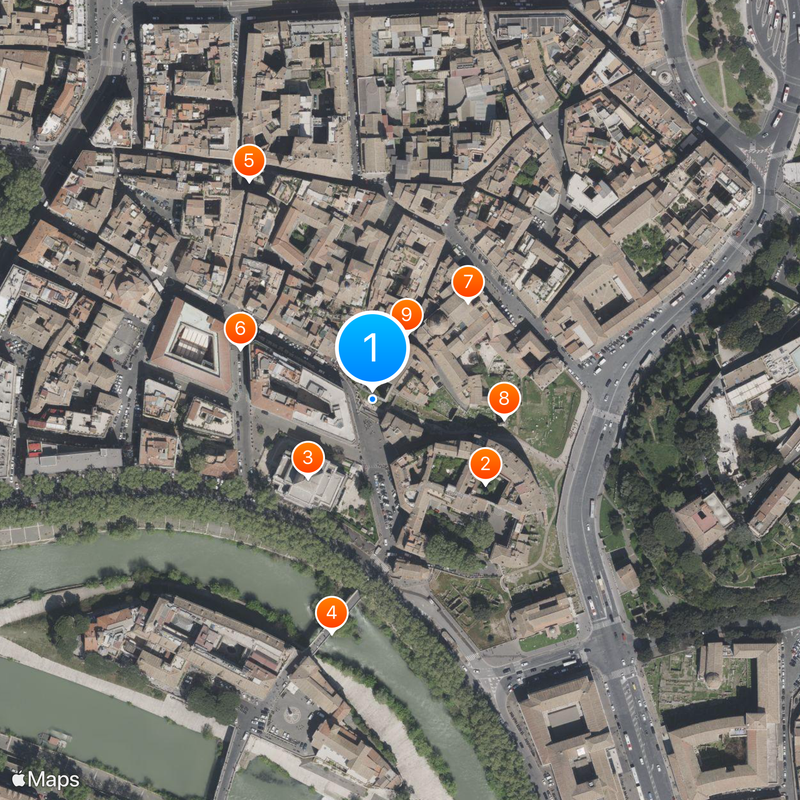
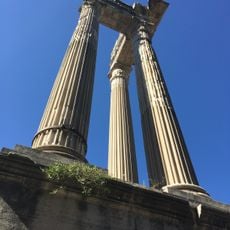
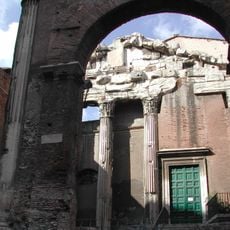
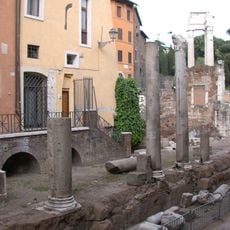
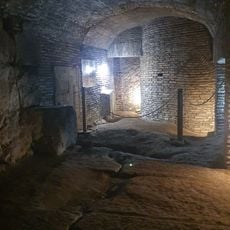
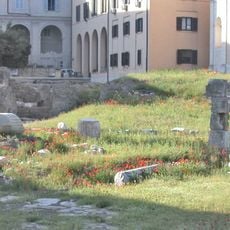
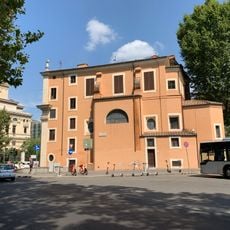
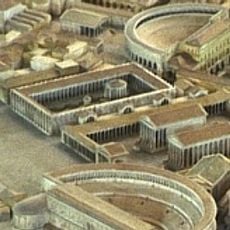
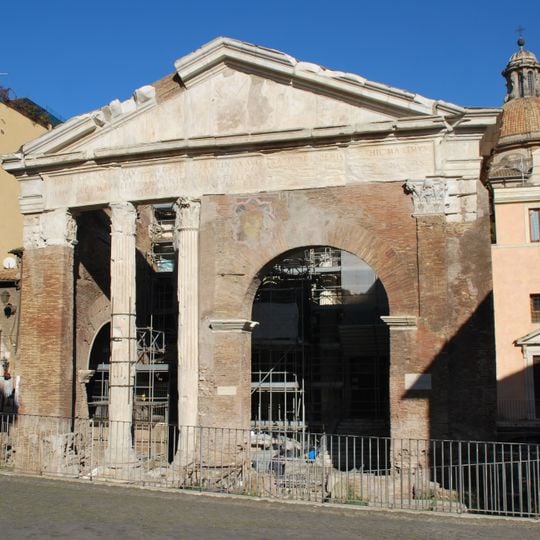
Porticus Octaviae is an ancient colonnaded hall in Rome's Jewish Quarter, of which two Corinthian columns and remains of a pediment now stand at the southern entrance. The rectangular complex once enclosed two temples and several public rooms, with foundations and floor fragments visible in several spots.
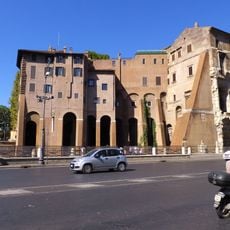
Augustus commissioned the building in the late 1st century BCE to replace an older portico and dedicated it to his sister. During the Middle Ages the ruins were incorporated into the city fabric, and from the 12th century the fish market took shape here, lasting until the 19th century.
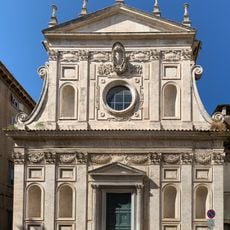
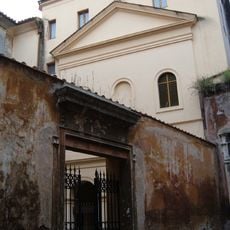
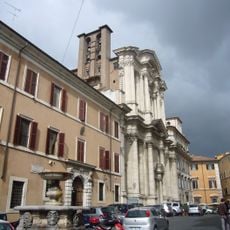
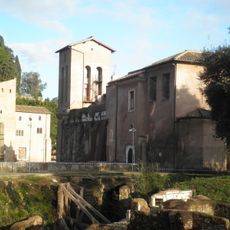
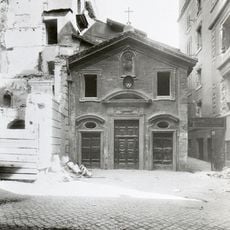
The monument carries the name of Octavia Minor, the emperor's sister, and its arches now frame the entrance to the church of Sant'Angelo in Pescheria. Beneath the columns and among the ruins, the restaurants and shops of the Jewish Quarter open each day, a neighborhood that has been here for centuries.
Access is through Via del Portico d'Ottavia, where a ramp makes the visit possible for wheelchair users. The site is best visited in the morning or late afternoon, when natural light brings out the columns and reliefs clearly.
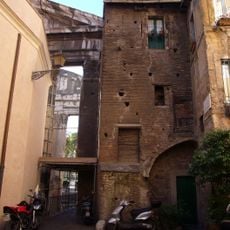
The arches and columns served for many centuries as a load-bearing wall for houses and workshops, which helped preserve them. Even today you can see on the backs of the ancient blocks traces of clamps and later building techniques.
The community of curious travelers
AroundUs brings together thousands of curated places, local tips, and hidden gems, enriched daily by 91,635 contributors worldwide.