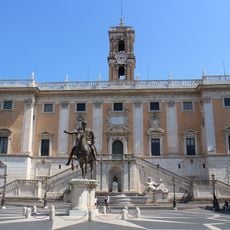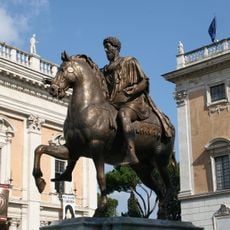
Equestrian statue of Marcus Aurelius, Bronze equestrian statue in Capitoline Museums, Rome, Italy
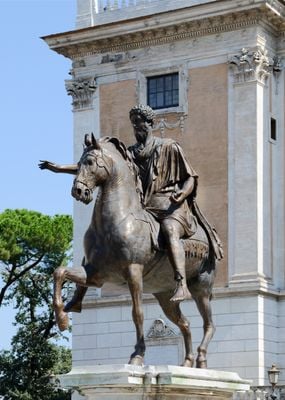
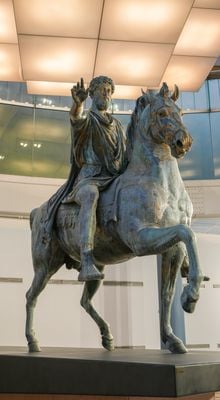
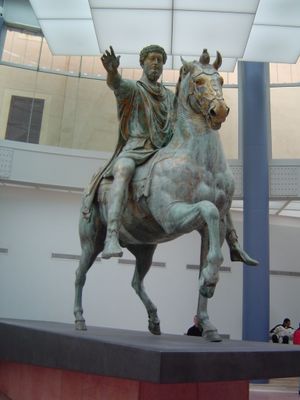
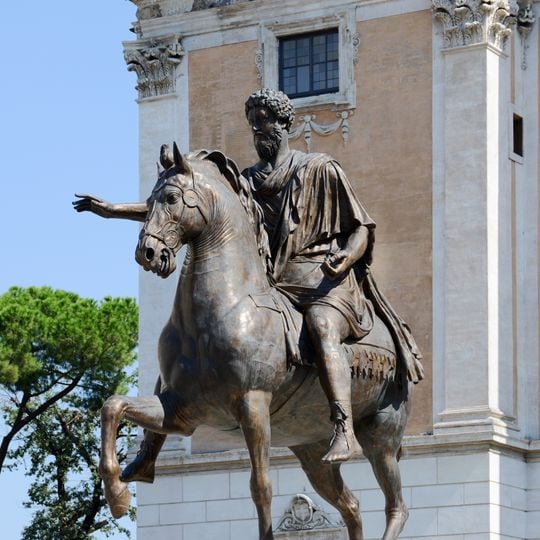
The Equestrian Statue of Marcus Aurelius is a work of Roman art in the Capitoline Museums in Rome. The sculpture shows the emperor seated on a horse, with bronze used to shape both rider and animal in a single composition.
The work was created in 176 CE after Marcus Aurelius secured victories against Germanic tribes threatening the northern frontier of the empire. The later belief that it represented Constantine, who promoted Christianity, saved the monument from being melted down in medieval times.
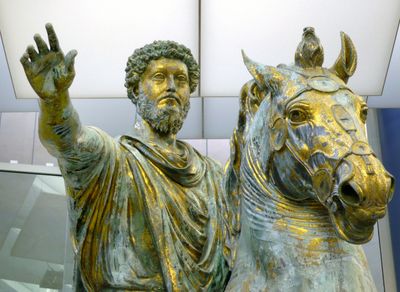
The figure wears a tunic and toga, while the horse appears without saddle or stirrups, showing how Roman equestrian monuments differed from later forms. The horse's extended right foreleg originally seemed to rest on a figure, likely a defeated enemy, which disappeared over the centuries.
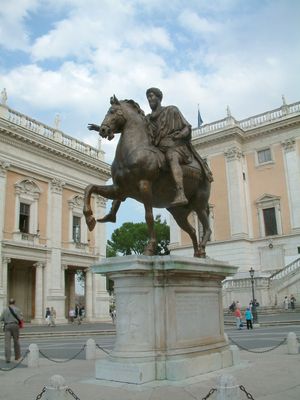
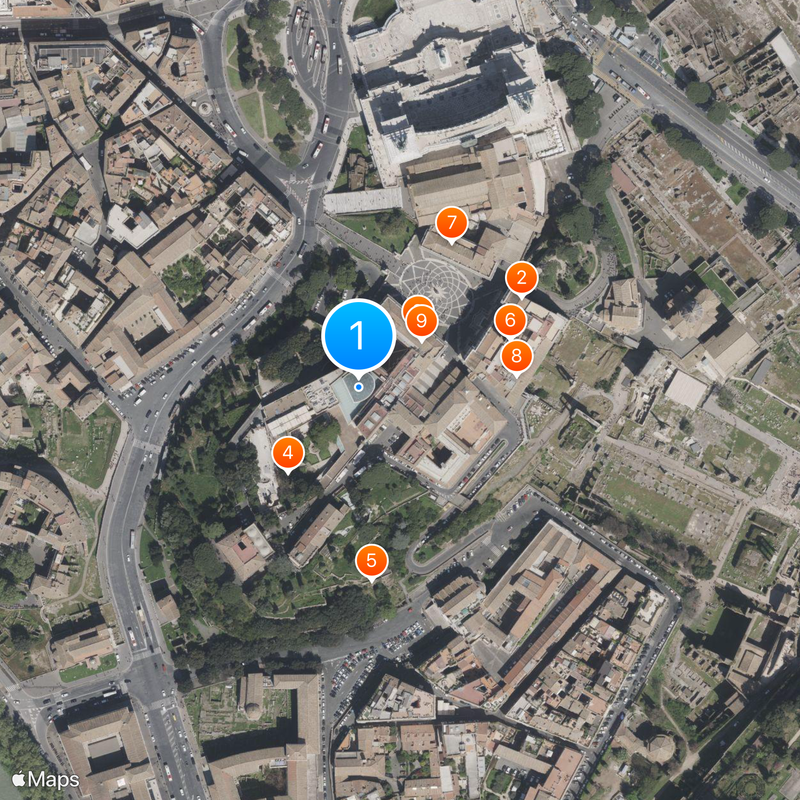
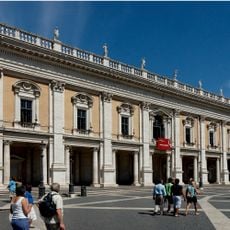
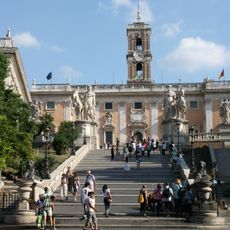
The Capitoline Museums keep the original in a controlled indoor space to protect the metal from further weathering. A replica was placed in 1997 at its historic spot on the Capitoline Hill, where visitors can view it in any weather.
Traces of gilding are still visible on several parts of the metal today, a hint that the entire surface once shimmered in gold. The horse lifts one hoof in a pose that Renaissance artists interpreted as a symbol of leadership, inspiring countless later equestrian monuments.
The community of curious travelers
AroundUs brings together thousands of curated places, local tips, and hidden gems, enriched daily by 90,740 contributors worldwide.