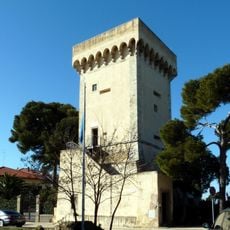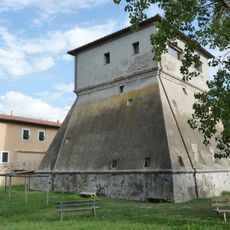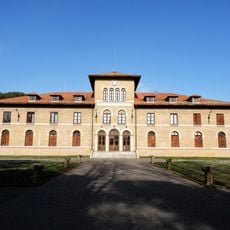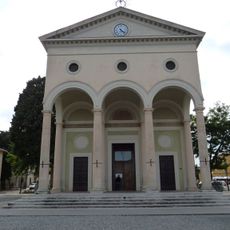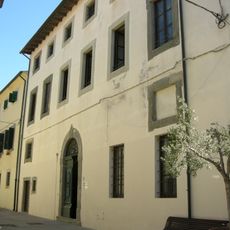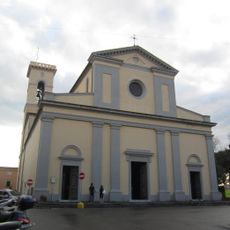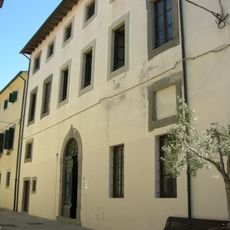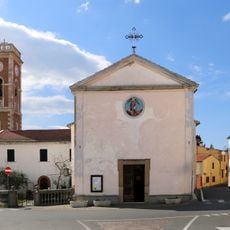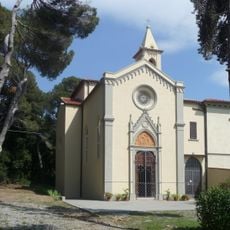
Museo archeologico nazionale di Castiglioncello, Archaeological museum in Rosignano Marittimo, Italy.
The Museo archeologico nazionale di Castiglioncello houses artifacts from an Etruscan burial ground excavated between 1903 and 1911, spanning the 4th to 1st century BC. The collection includes pottery, jewelry, and burial goods that reveal daily life and burial practices of this ancient people.
The museum was founded in 1914 to preserve the rich finds from the excavation sites that had been uncovered just years before. A major closure lasting from 1972 to 2011 interrupted its public role, though it later reopened with a refreshed approach.
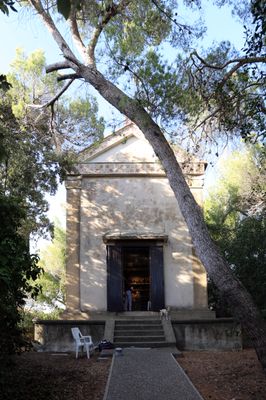
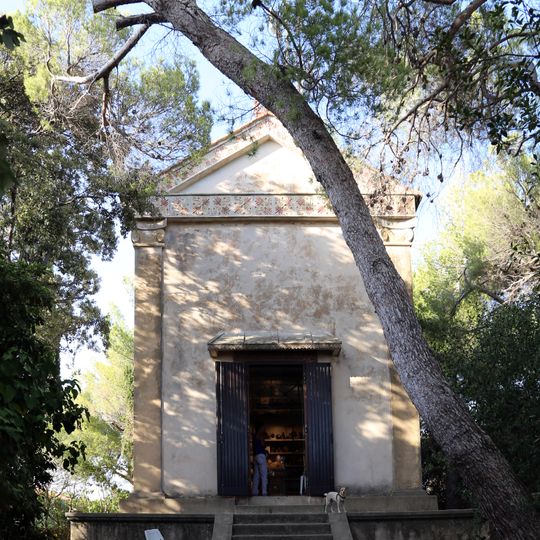
The building's design echoes the forms of Etruscan urns, making the architecture itself part of the story you encounter. This choice of design connects the ancient craftsmanship to how people experience the space today, weaving the past into your visit.
The museum sits on a hilltop location and provides accessible facilities for visitors with mobility needs. Its collection is manageable in size, allowing you to walk through and understand the exhibits within an hour or two.
The building itself was designed to mirror the shape of an Etruscan urn, making it a rare example of architecture that echoes the form of the objects inside. This unusual choice means the structure is not just a container for artifacts but becomes artwork in its own right.
The community of curious travelers
AroundUs brings together thousands of curated places, local tips, and hidden gems, enriched daily by 92,319 contributors worldwide.