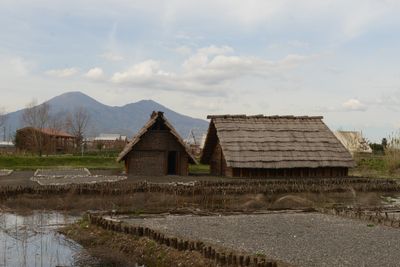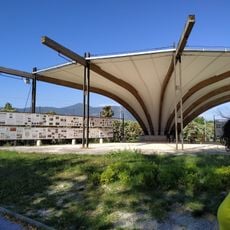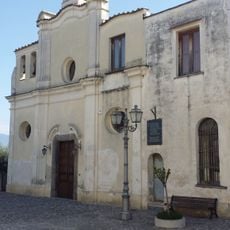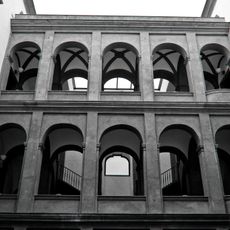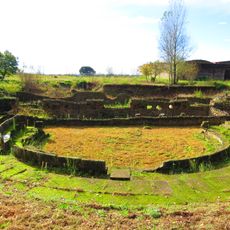
Longola, Archaeological site and park in Poggiomarino, Italy.
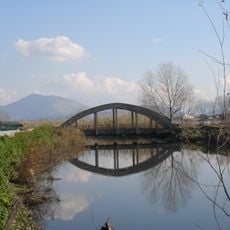
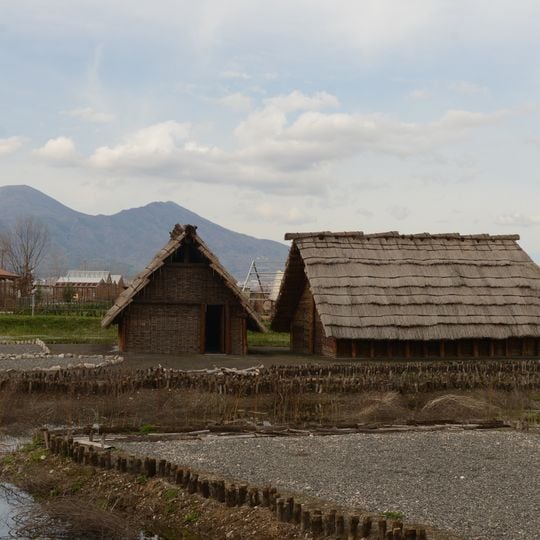
Longola is an archaeological site featuring artificial islets connected by canals that reveal a settlement adapted to the Sarno River wetlands. The remains include wooden structures, pottery, and sophisticated water management systems dating from the Middle Bronze Age to the 6th century BC.
Excavations beginning in 2000 uncovered occupation layers spanning the Middle Bronze Age through the 6th century BC. This long sequence of settlement reveals how the community persisted and adapted across different periods in southern Italy's wetlands.
Artisans at this site produced metal, bone, and amber goods, showing how people mastered specialized crafts. The layout reveals a community organized around manufacturing and trade rather than just farming.
The site is part of the Pompeii Archaeological Park network and is reached via the A30 motorway or SS 268 state road at Poggiomarino. Visitors should prepare for uneven ground, muddy terrain after rain, and limited shelter from weather.
The waterlogged ground preserved organic materials like wood and plant remains that normally decay. This allows archaeologists to reconstruct a detailed picture of everyday life in this prehistoric community.
The community of curious travelers
AroundUs brings together thousands of curated places, local tips, and hidden gems, enriched daily by 91,363 contributors worldwide.