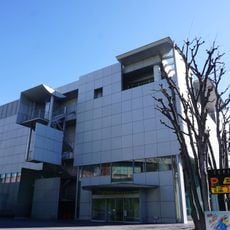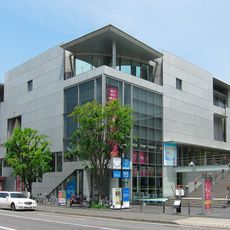
National Stadium, Olympic Stadium in Japan
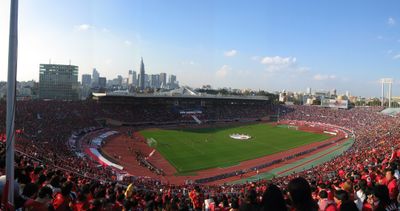
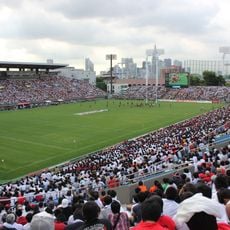
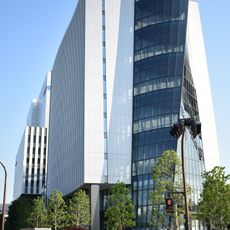
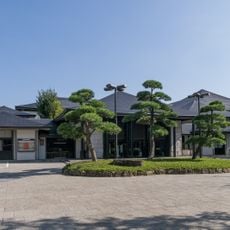
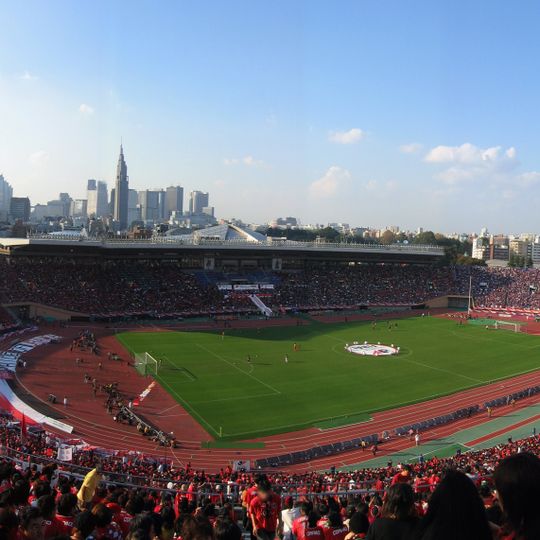
The National Stadium in Tokyo was a large sports complex built to host international competitions. The structure combined modern engineering with spacious indoor areas and extensive facilities for athletes and spectators.
The building opened in 1958 as a modern sports facility for Japan during its post-war reconstruction. By 1964, it became the centerpiece of the Summer Olympics, marking a turning point in how the world viewed the nation.
The stadium was a gathering place where people celebrated major national moments and sporting achievements. It shaped the city's appearance and represented athletic excellence in everyday Japanese life for decades.
The site is easily accessible by public transportation and located in a neighborhood with several other cultural facilities. Visitors should know that the complex is no longer operational and can mainly be viewed from the outside.
The stadium was designed by renowned architect Kenzo Tange, whose innovative design gained international attention. The roof structure was an engineering achievement of its time and later influenced many other sports buildings.
The community of curious travelers
AroundUs brings together thousands of curated places, local tips, and hidden gems, enriched daily by 92,857 contributors worldwide.