1978 Miyagi earthquake, Seismic disaster site in Miyagi Prefecture, Japan
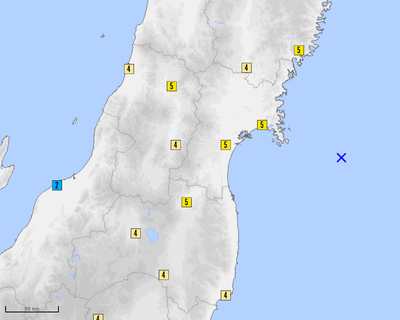
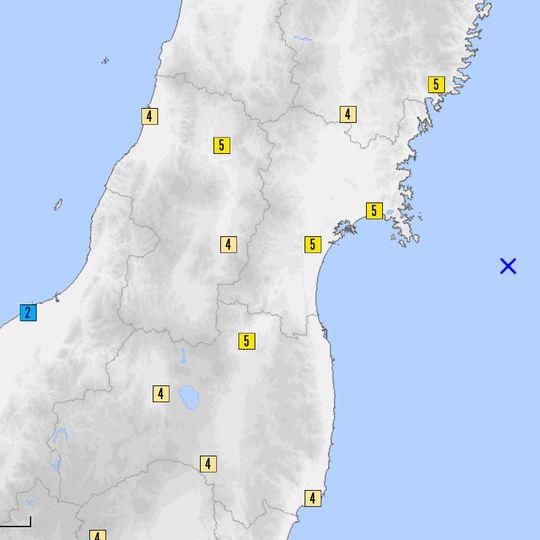
The 1978 Miyagi earthquake was a magnitude 7.7 offshore event that occurred on June 12 and affected multiple coastal communities along eastern Japan's Pacific coast. The site is located in Miyagi Prefecture, where museums today present geological data and scientific information about seismic activity in this region.
On June 12, 1978, a strong earthquake struck offshore Miyagi, which prompted major changes to how Japan approaches construction and safety. The government revised the Building Standard Act in 1981 with stricter requirements for earthquake-resistant design in seismic zones.
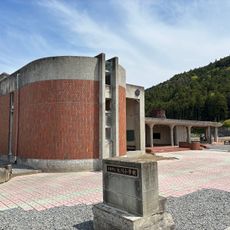
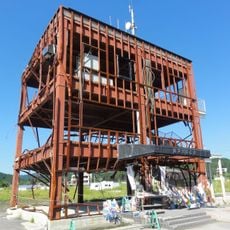
Miyagi Prefecture maintains educational centers where visitors can learn about earthquake preparedness and how this event changed the way people build and live in the region. These spaces reflect the community's commitment to understanding and protecting themselves from seismic hazards.
Museums and memorial sites in the region offer accessible information about seismic safety and earthquake science that is easy to understand. Plan time to read explanations and view displays that show how construction and preparedness have evolved since this event.
The earthquake ruptured in two separate phases, with the second phase starting just 11 seconds after the initial movement, creating an unusually complex shaking pattern. This dual-rupture behavior is considered important for understanding how earthquakes work along subduction zones.
The community of curious travelers
AroundUs brings together thousands of curated places, local tips, and hidden gems, enriched daily by 92,851 contributors worldwide.