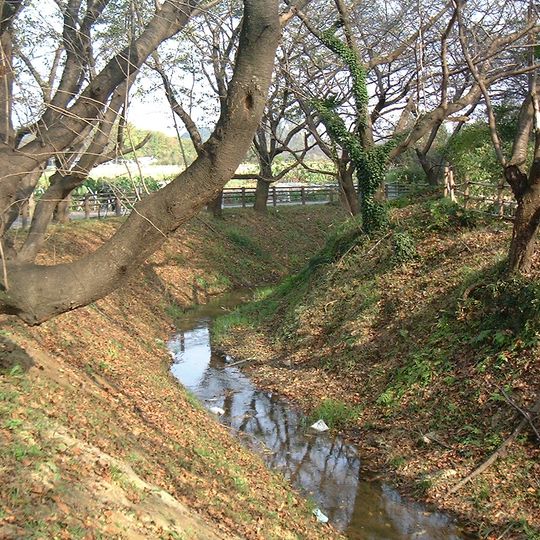
Minuma Tsūsen-bori, Historic canal and lock system in Midori-ku, Japan
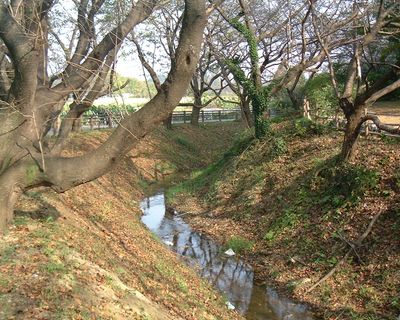
Minuma Tsūsen-bori is a restored canal with four locks that connects two main waterways and stretches for several hundred meters. The site displays engineering from the Edo period and shows how water levels were managed to enable cargo transport.
Engineer Izawa Yasobee built this waterway in 1731 to connect two main canals and ease goods movement between local villages and Edo. This connection became a crucial trade route for the region during the 18th and 19th centuries.
The canal served as a vital trade route for the region, transporting goods like rice, wheat, vegetables, and craft products between local villages. People relied on this waterway to distribute their merchandise and maintain economic connections throughout the area.
The site is best explored on foot, with three reconstructed locks as the main features visitors can observe. The best time to visit is during drier months when walkway and structure conditions are optimal.
The canal operated only from December to February when irrigation water was not needed, allowing boats up to 14 meters long to carry 200 sacks of rice. This seasonal operation made it a special transport route adapted to farming cycles.
The community of curious travelers
AroundUs brings together thousands of curated places, local tips, and hidden gems, enriched daily by 91,381 contributors worldwide.