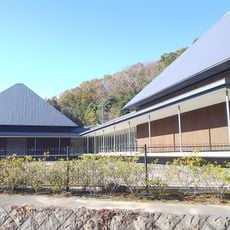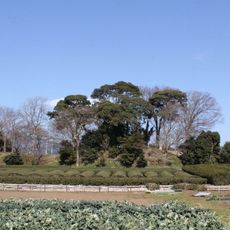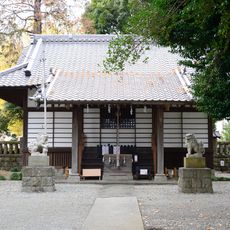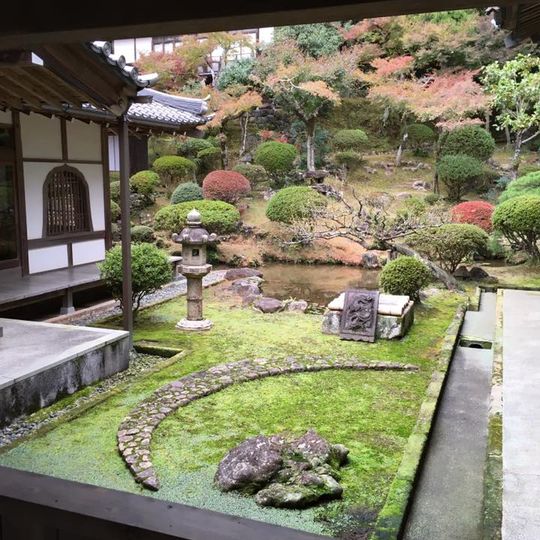
Ryūtaku-ji, Buddhist temple in Mishima, Japan.
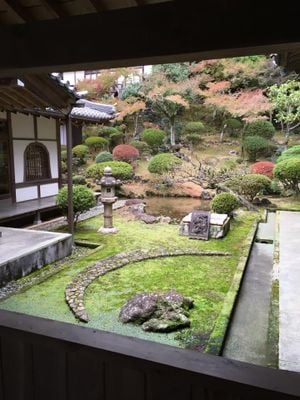
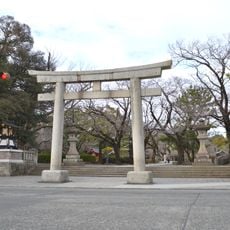
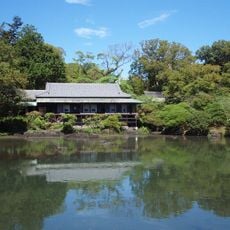
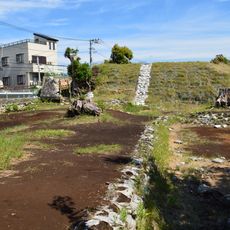
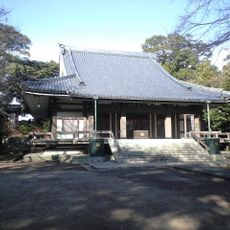
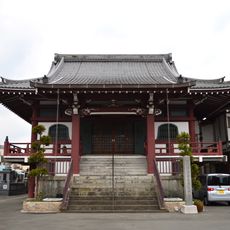
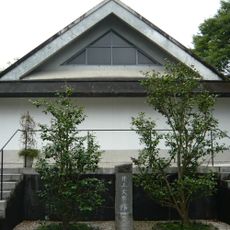
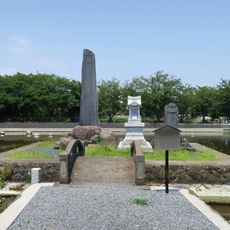
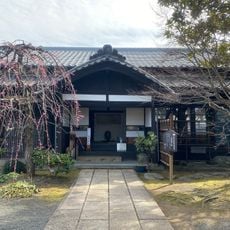
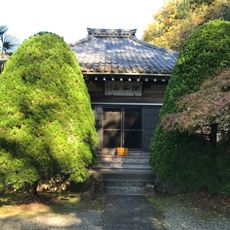
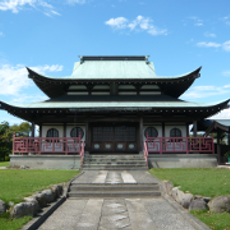
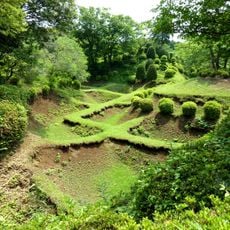
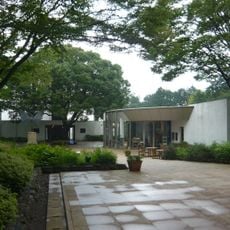
Ryūtaku-ji is a Zen temple in Mishima with traditional Japanese structures including stone gates, meditation halls, and carefully tended garden grounds. The complex comprises multiple buildings arranged around central courtyards that serve different functions from teaching and residence to worship and study.
The temple was founded in 1761 by Zen master Hakuin Ekaku and became an important center for Zen training over the centuries. It underwent reconstruction during the early Meiji period and later experienced revival through Gempō Yamamoto's efforts, ensuring its continuity as an active practice site.
The temple serves as an active practice center where visitors can observe monks engaging in daily meditation and study routines. This working monastery shows how contemporary Zen Buddhism integrates practice and teaching in everyday life.
Visitors should expect traditional etiquette and should wear modest clothing when entering the temple grounds. Coming early in the day helps you experience the quiet morning period and observe monks at their daily practice.
Soen Nakagawa, a former abbot of the temple, earned the title 'modern Basho' and played a key role in spreading Zen Buddhism outside Japan. His connection to the temple remains tangible as part of his ashes rest here while another portion lies in New York.
The community of curious travelers
AroundUs brings together thousands of curated places, local tips, and hidden gems, enriched daily by 91,942 contributors worldwide.