Rakuju-en, Japanese garden and zoo in Mishima, Japan
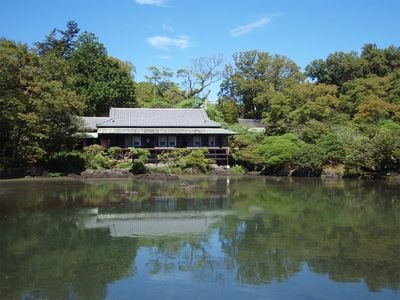
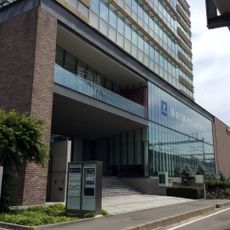
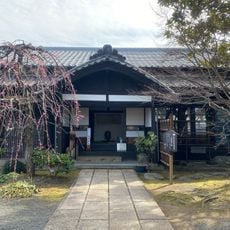
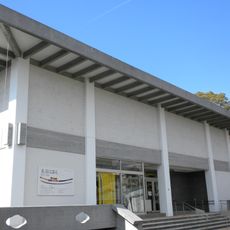
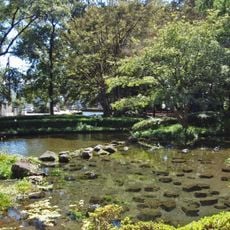
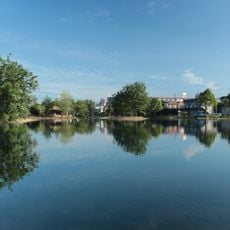
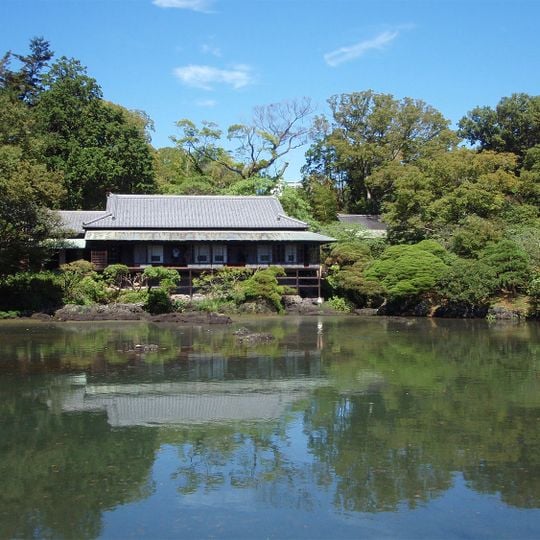
Rakuju-en is a public park and zoo in Mishima, Shizuoka Prefecture, centred on a Japanese garden around Obama Pond. The single-storey Rakuju-kan, built in 1890, is a Kyoto-style sukiya-zukuri wooden residence with a hipped grey-tiled roof, a dark veranda and pale sliding panels, standing on a dark stone base at the water's edge. The grounds also hold the Mishima Local History Museum and a preserved JNR Class C58 steam locomotive.
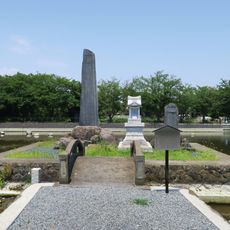
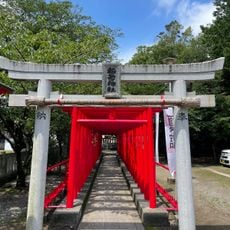
The site was a temple and shrine ground until Prince Komatsu Akihito bought it in 1890 and built a Kyoto-style sukiya villa, Rakuju-kan. After his death the property passed to Korean Crown Prince Yi Un, who named it Changdeokgung; in 1927 it was sold to the Izu-born industrialist Oake Keizo. His son Oake Taro transferred it to Mishima city in 1952, and it opened as a public park on 15 July of that year.
The Rakuju-kan, built in 1890, is a Kyoto-style sukiya-zukuri residence raised on stilts. Inside, works by six Meiji-period Imperial Household Artists, including Takigawa Kazuaki, are displayed. The pond name Obama-ike is linked to a rite of Mishima Taisha: while the great festival carries the portable shrine down to Senbonhama in Numazu, the small festival did so at Kohama, giving the pond its name.
The park is a paid municipal facility; the Rakuju-kan interior is shown only by prior appointment. The C58 322 locomotive has been kept on the grounds since 1972, cleaned twice a year by the Tokai Railway OB Association Mishima branch. The Mishima Local History Museum inside has no admission fee.
Obama pond is fed by underground springs that carry snowmelt directly from Mount Fuji. This hidden water system is essential to the garden's landscape, though visitors don't see where the water comes from.
The community of curious travelers
AroundUs brings together thousands of curated places, local tips, and hidden gems, enriched daily by 93,872 contributors worldwide.