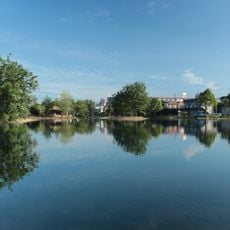
Numazu Castle, Japanese castle in Numazu, Japan.
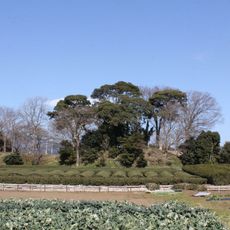
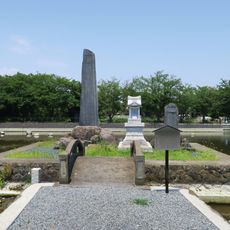
Numazu Castle was a hirayama-style castle built from 1778 on the ruins of Sanmaibashi Castle, of which only a portion was used. It had a three-story yagura in the honmaru, a palace in the ninomaru, and moats fed by the Kano River. Almost nothing remains today: the honmaru site is now Chuo Park with a monument, and only a fragment of Sanmaibashi's stone walls survives.
Numazu Castle was built from 1778 to 1779 on the ruins of Sanmaibashi Castle, a Sengoku-period fortress of Takeda Shingen abandoned after 1613. Mizuno Tadatomo, transferred from Ohama Domain in 1777 with 20,000 koku, received permission to build; the layout was drawn by Sudo Jirobei and construction completed in late 1779. The castle was dismantled in 1872 after briefly housing the Numazu Military Academy.
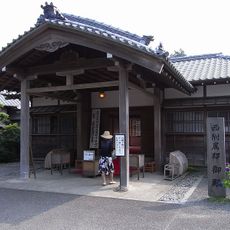
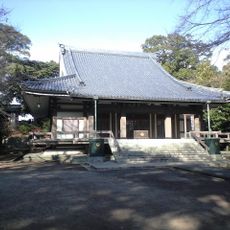
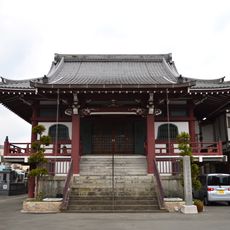
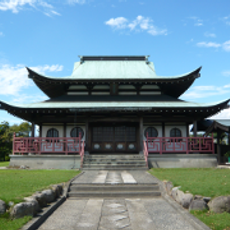
The castle's name survives in the place name Ōtemachi, and its inner bailey is now Chūō Park, marked by a stone monument reading "Numazu Castle Honmaru Site". The second bailey, later the Numazu Military Academy, is occupied by Jōkō Shrine. The gate of Kōchō-ji Temple's Tsujinobo hall is said to be a relocated castle gate.
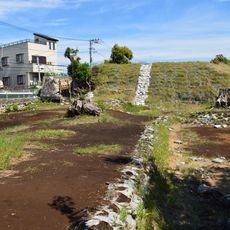
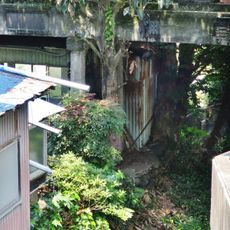
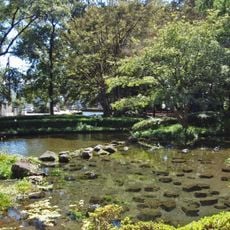
Almost nothing of the castle survives: the honmaru site is now Chūō Park with a stone monument, and the former ninomaru holds Jōkō Shrine. A fragment of the old Sanmaibashi Castle stone walls lines part of a filled-in moat. The relocated gate is at Kōchō-ji Temple's Tsujinobo gate.
The Tsujinobo gate at Kocho-ji Temple incorporates materials salvaged from the original castle gate. This preserved element offers a rare glimpse into the actual construction methods used when the fortress was standing.
The community of curious travelers
AroundUs brings together thousands of curated places, local tips, and hidden gems, enriched daily by 94,663 contributors worldwide.