Kamikawa Basin, Geographic basin in Kamikawa district, Japan.
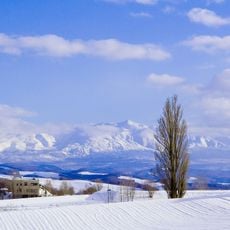
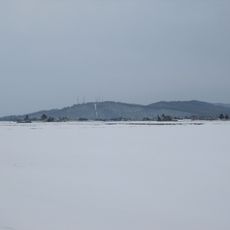
The Kamikawa Basin is a geographic depression spanning northwest-central Hokkaido, incorporating the city of Asahikawa and surrounding districts. The Ishikari River flows through this lowland area, supplying water for farming, drinking, and power generation.
Settlement of the basin began in 1889, transforming the region into a major railway, trading, and industrial hub for northern Hokkaido. This development shaped the infrastructure and economy that continues to define the area today.
The region maintains strong ties to Ainu heritage through traditional festivals and performances that showcase local customs. These gatherings are regularly attended by residents and visitors, shaping the cultural identity of the area.
Summer and early autumn offer the best conditions for exploring the basin, with mild weather and accessible pathways throughout the region. Most locations here are reachable by public transit, with Asahikawa serving as the main transportation hub.
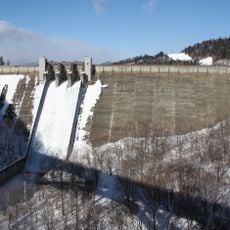
The Taisetsu Dam, built between 1965 and 1975, created an artificial lake that serves as a crucial water reservoir for the entire region. This reservoir now plays a central role in flood control and supports the area's wildlife.
The community of curious travelers
AroundUs brings together thousands of curated places, local tips, and hidden gems, enriched daily by 60,000 contributors worldwide.