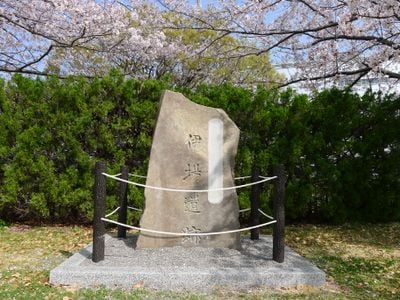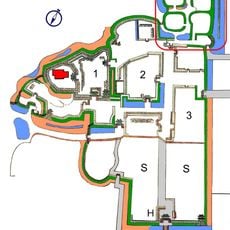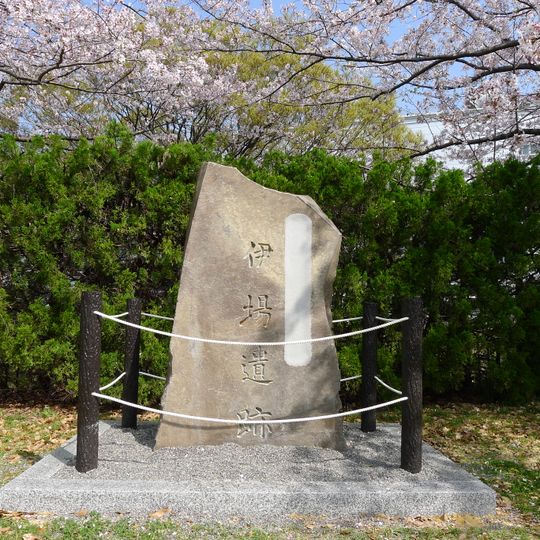
Iba Ruins, Archaeological site in Shizuoka Prefecture, Japan
The Iba Ruins are an archaeological site with remains from the Yayoi period, showing post holes of raised floor buildings designed for marshy lands. These structures reveal how people engineered their homes to adapt to the wet terrain.
The site was discovered in 1936 during construction work and underwent major excavations from 1947 to 1948. These investigations established it as a National Historic Site and a key location for understanding the Yayoi period.
The pottery found here displays distinctive patterns that reveal how people of that era made and used everyday objects. Walking through the site, you can observe the craftsmanship in the designs and understand what mattered to the inhabitants.
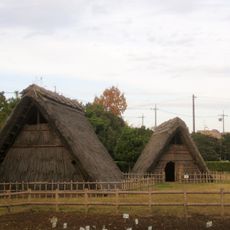
The site is easy to reach on foot and features reconstructed structures you can walk through and examine. The open layout allows you to move freely and observe the ancient building techniques and settlement patterns.
The location sits in a river floodplain near the Toyokawa, and artifacts here are remarkably well preserved through layers of sediment built up over centuries. This natural preservation has kept organic materials like bone and wood intact in ways that rarely happen elsewhere.
The community of curious travelers
AroundUs brings together thousands of curated places, local tips, and hidden gems, enriched daily by 60,000 contributors worldwide.