Lake Kojima, Artificial lake in Okayama Prefecture, Japan
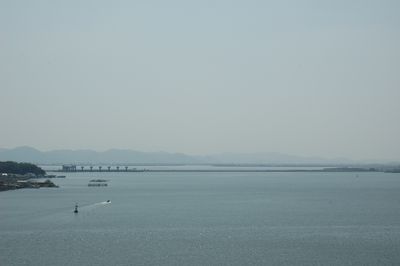
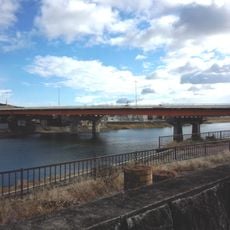
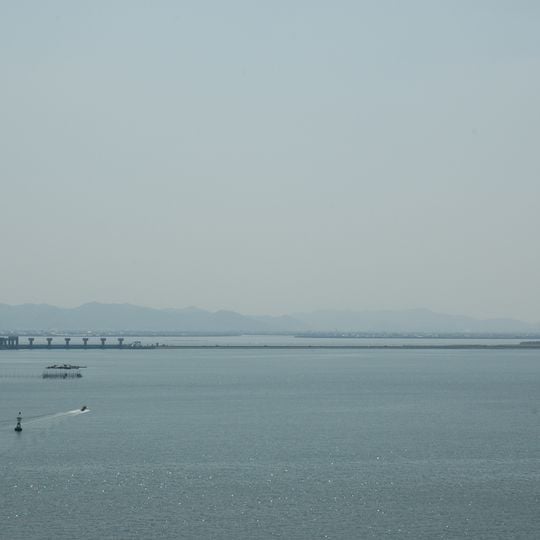
Lake Kojima is an artificial reservoir in Okayama Prefecture, created by enclosing a former bay along the coast. It is fed by the Sasagase and Takahashi Rivers and serves mainly as an irrigation source for the farmland surrounding it.
Kojima Bay was converted into a freshwater lake in 1959, backed by Japan's Ministry of Agriculture as part of postwar efforts to secure food supplies. The project involved building a seawall to separate the bay from the sea and redirect river water into the enclosed basin.
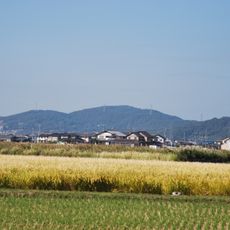
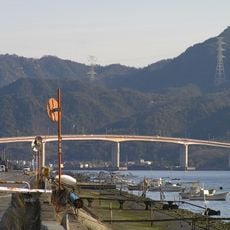
Fishing and rice farming have long shaped the rhythm of life around the lake, and both are still visible today. The fields fed by its waters stretch along the shore, giving the area a working, agricultural character rather than a recreational one.
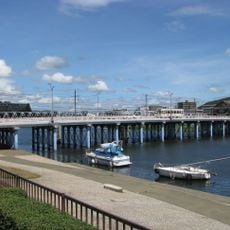
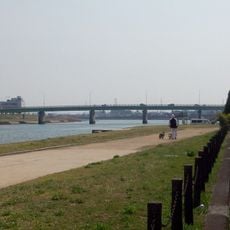
The lake is accessible from Chikko Shinmachi station, reachable by bus from JR Okayama Station. The shoreline is mostly flat and open, so walking along it requires no special preparation and offers wide views of the water and surrounding farmland.
Lake Kojima is recognized as Japan's first reservoir built directly at a river mouth, rather than further upstream as was common practice. This approach was unusual enough at the time that the project drew attention from engineers and planners working on similar water supply challenges elsewhere in Japan.
The community of curious travelers
AroundUs brings together thousands of curated places, local tips, and hidden gems, enriched daily by 60,000 contributors worldwide.