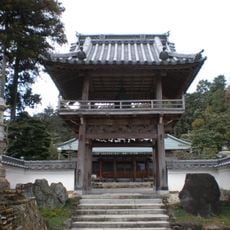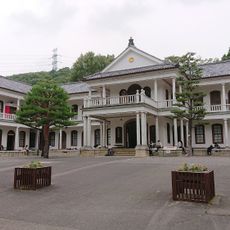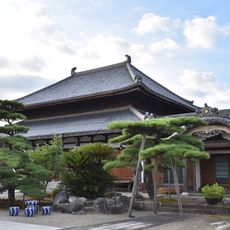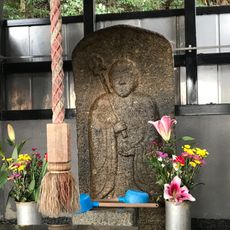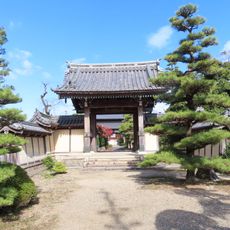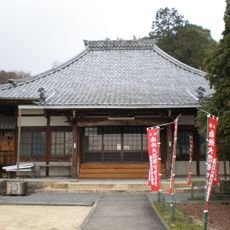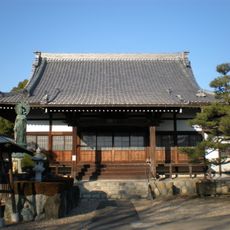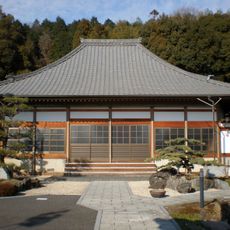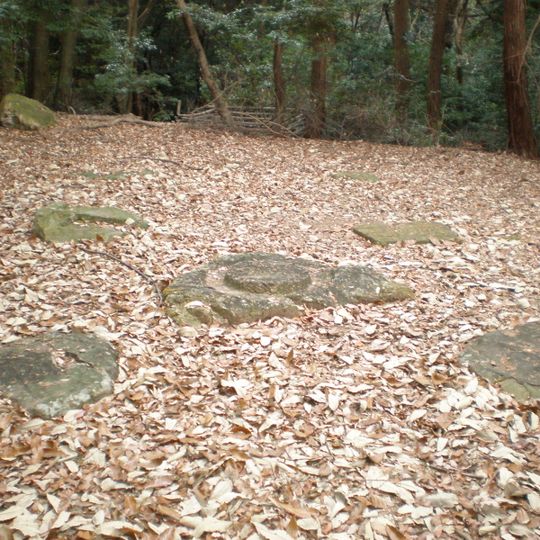
Ōyama temple ruins, Buddhist temple ruins in Komaki, Japan.
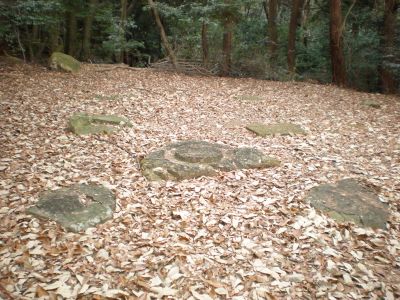
Ōyama temple ruins are the remains of a religious complex where foundation stones, roof tiles, and ceramic objects mark where structures once stood. These artifacts show how ancient Japanese temples were built and help visitors understand the original layout of the site.
The site was established during the Nara period and functioned as a major temple for several centuries. Military conflict in the 12th century resulted in its destruction, ending its role as a religious center.
The name reflects the connection between this elevated location and religious architecture, showing how monks once lived within stone foundations set against forested slopes. This demonstrates how ancient temple builders selected high ground to integrate natural and constructed spaces.
The site is accessible on foot, with displayed artifacts available at a nearby city museum that provides context for what you see. Wear sturdy shoes since walking through the grounds involves uneven paths and natural terrain.
The temple was held in such high regard that people compared it to a major religious center on the opposite side of the country. This comparison reveals how significant it was to communities across different regions.
The community of curious travelers
AroundUs brings together thousands of curated places, local tips, and hidden gems, enriched daily by 91,376 contributors worldwide.