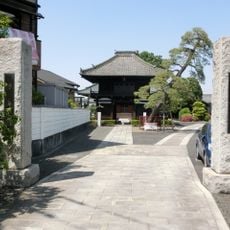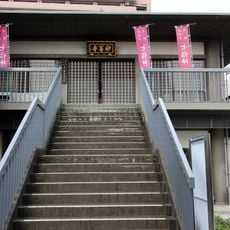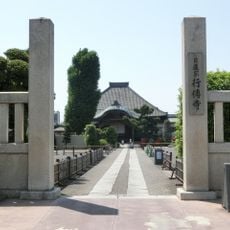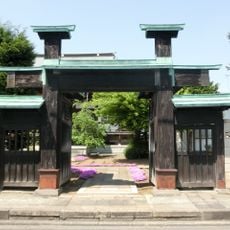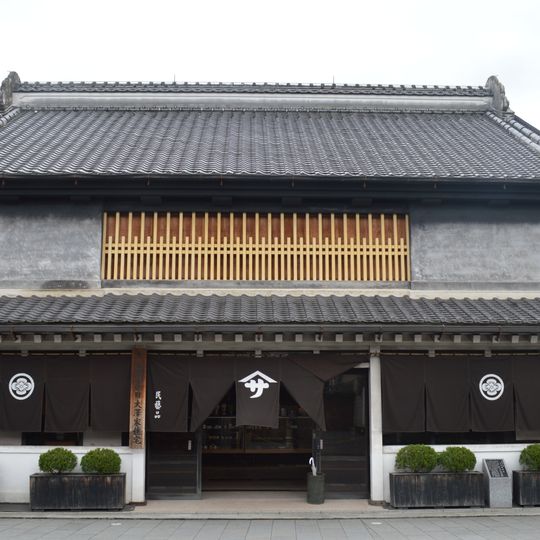
Ōsawa Residence, House museum from the Edo period in Kawagoe, Japan
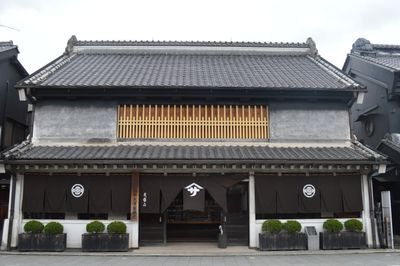
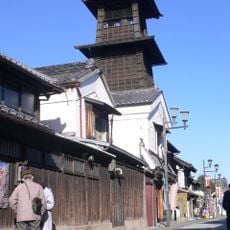
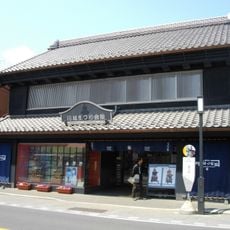
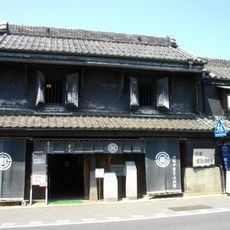
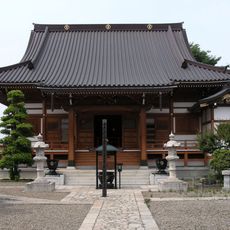
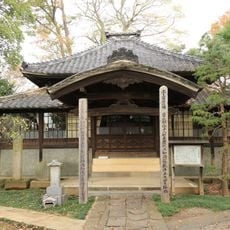
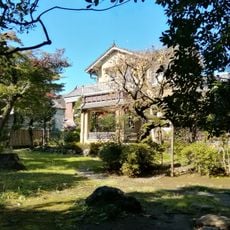
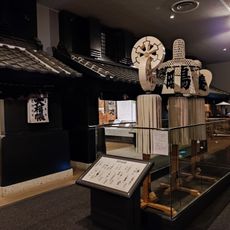
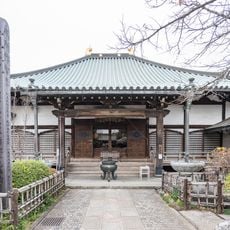
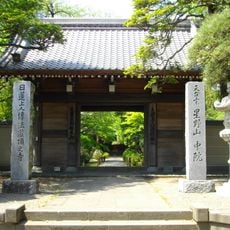
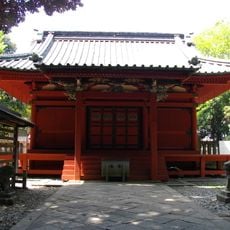
The Ōsawa Residence is a house museum in the historic district of Kawagoe, Japan, built in the dozō style with thick earthen walls and a wooden frame. The building contains tatami rooms, sleeping quarters, living areas, and former commercial spaces, all open for visitors to walk through.
The building was erected in 1792 and is one of the few surviving merchant houses from the Edo period in Kawagoe, reflecting the city's close trade ties with Edo, the city now known as Tokyo. It was later designated an Important Cultural Property of Japan and has since been kept as a public museum.
The rooms show how prosperous merchant families of the Edo period lived and worked under the same roof, with sliding doors and wooden beams throughout. The way living quarters connect directly to commercial spaces gives a clear sense of how trade and daily life were woven together.
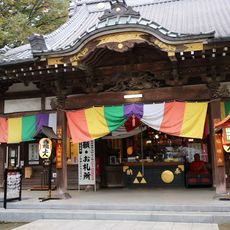
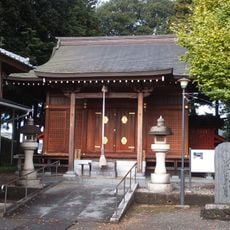
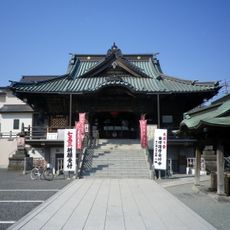
The residence sits in Kawagoe's historic district and is easy to reach on foot from the train station, close to other old townhouses in the area. Visitors should be ready to remove shoes when entering tatami rooms, as is common across traditional Japanese buildings.
The thick earthen walls of the dozō style acted as natural insulation, keeping rooms cool in summer and warm in winter without any mechanical assistance. The same technique was used widely in Kawagoe, which earned the city the nickname 'Little Edo' because these fireproof buildings helped shape its historic skyline.
The community of curious travelers
AroundUs brings together thousands of curated places, local tips, and hidden gems, enriched daily by 91,931 contributors worldwide.