Yamanoue Daijingū, Shinto shrine in Japan
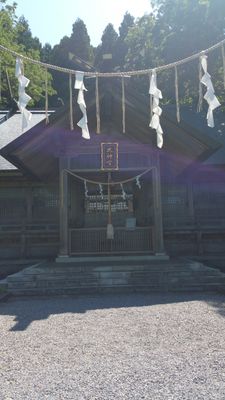
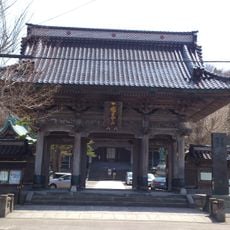
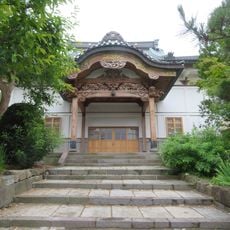
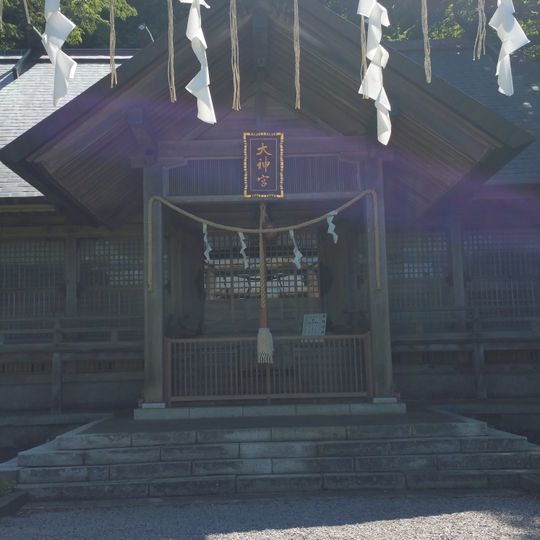
Yamanoue Daijingū is a shrine built in Shinmei-zukuri style with stacked wooden beams, a thatched roof, and ornamental logs called chigi and katsuogi extending from the roofline. Its plain design uses natural materials and straight lines, resting on a raised platform that protects the structure from moisture and ground water.
Founded about 600 years ago by a monk named Fujibo inspired by Ise Jingu, this shrine was built to bring protection and good fortune to the area. Over the centuries it was relocated multiple times and rebuilt after suffering damage in major fires of 1878 and 1879, finally settling in its current location in 1902.
This shrine was inspired by the Holy Spirit of Ise Jingu, connecting it to one of Japan's most sacred sites. Locals have maintained this spiritual link through festivals and daily prayers that reflect their deep reverence for tradition.
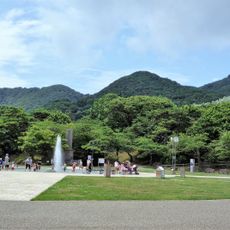
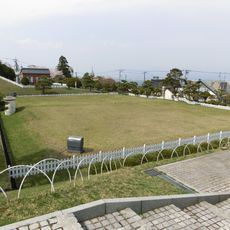
The shrine sits on a steep uphill path at the foot of Mount Hakodate and can be reached in about 16 minutes from the Hakodate-dokku-mae tram stop. The walk takes effort due to the incline, but offers views of Hakodate Bay and the quiet local surroundings along the way.
The shrine served as a refuge for clan leader Matsudaira Sadaaki during the Hakodate War, making it a symbol of resistance during the region's tumultuous period. Another notable priest, Takuma Sawabe, had connections to famous samurai leaders and later became one of Japan's first Orthodox priests.
The community of curious travelers
AroundUs brings together thousands of curated places, local tips, and hidden gems, enriched daily by 92,497 contributors worldwide.