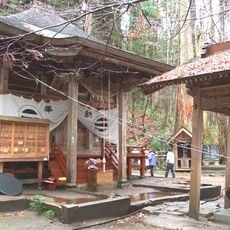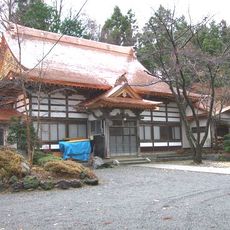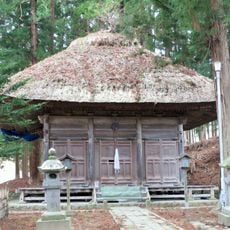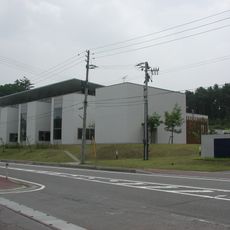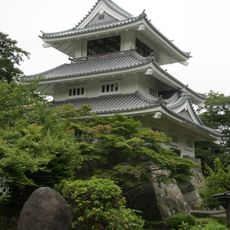
Goshono Site, Archaeological site in Ichinohe, Japan.
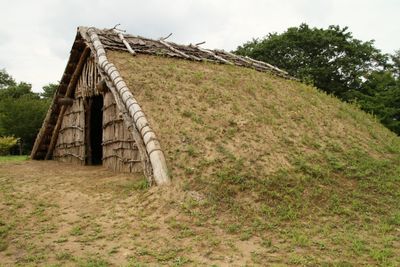
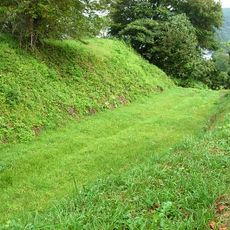
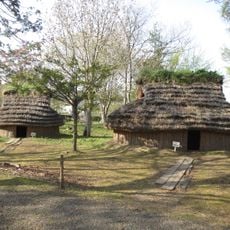
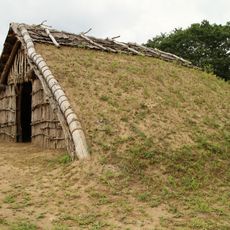
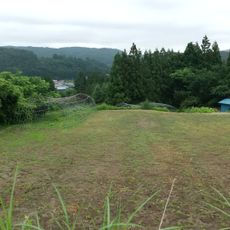
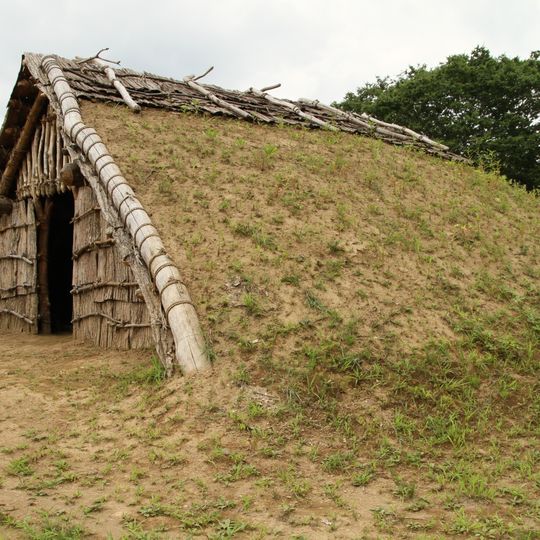
Goshono Site is an archaeological settlement with over 800 pit dwelling foundations spread across a river terrace along the Mabechi River. The remains sit at an elevation of 190 meters (623 feet) and show how the early Jomon community organized their living space.
This settlement dates to the middle Jomon period around 2500-2000 BCE and was discovered in 1989 during construction of an industrial park. It gained designation as a National Historic Site in 1993 and now forms part of a UNESCO World Heritage Site.
The central area contains stone circles surrounding burial pits, showing how ritual and ceremony shaped community life during the Jomon period. You can see how this layout reflects the spiritual beliefs people held at that time.
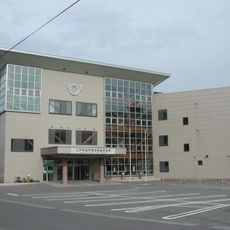
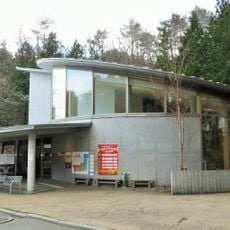
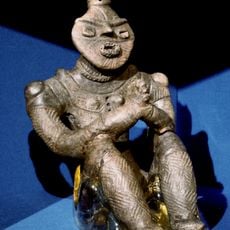
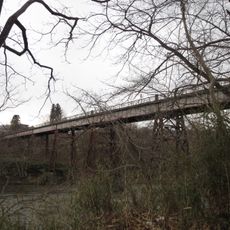
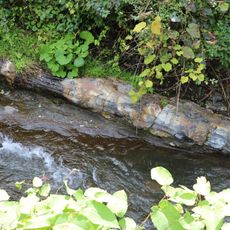
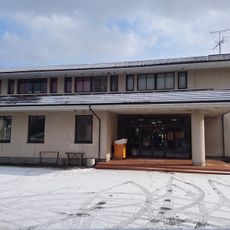
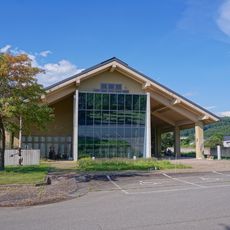
You reach the site by crossing a 120-meter bridge that spans a narrow valley with a stream. The Goshono Jomon Museum displays pottery and stone tools from the excavations, including a 4200-year-old burned pit dwelling visible through a glass floor.
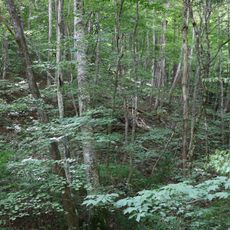
The settlement sits surrounded by walnut and chestnut trees that give the area a wooded character. This natural setting reveals how the ancient community chose their location based on what the landscape offered them.
The community of curious travelers
AroundUs brings together thousands of curated places, local tips, and hidden gems, enriched daily by 90,857 contributors worldwide.