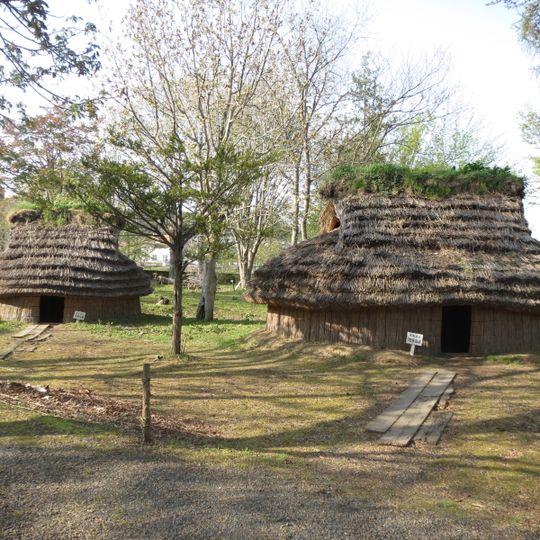
Korekawa Site, Archaeological site in Hachinohe, Japan
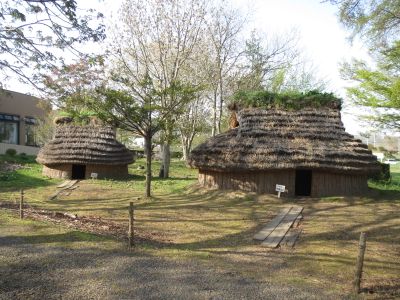
Korekawa Site consists of three separate locations on a river terrace with settlement remains from the Middle to Final Jomon period. Archaeologists have uncovered over 100 pits that once served as dwellings and burial grounds for the people who lived here.
Excavations began in the 1920s and revealed that people lived at this location from around 3000 to 1000 BC. This period saw communities adapting to life in the region before later social changes occurred.
The burial sites here show how people marked their dead with red pigment on bones, revealing their beliefs and respect for the deceased. These practices shaped the way the community understood life and death in their world.
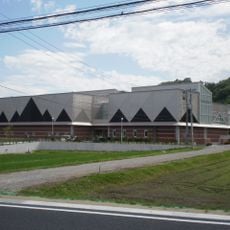
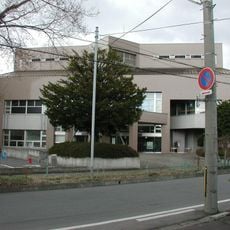
The site spreads across three separate areas, so plan to spend time visiting each location. A museum on-site displays excavated items and provides context about what was found and how people lived here.
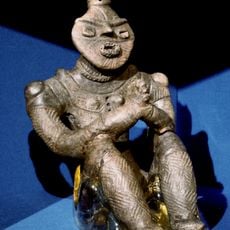
Among the 330 objects designated as Important Cultural Properties, a clay figurine of a seated man in a praying position stands out as a National Treasure. This small statue is striking because it captures a moment of spiritual focus from thousands of years ago.
The community of curious travelers
AroundUs brings together thousands of curated places, local tips, and hidden gems, enriched daily by 90,813 contributors worldwide.